TORONTO - With the FIFA World Cup kicking off in Canada, attention is squarely on soccer. In the coming weeks fans will see plenty of heading on the field - the technique of redirecting the ball in mid-air with the head instead of the feet. For one Toronto family, now feels like the right time to raise awareness about the push to protect young players from its potential harms.
“It’s up to us to protect the next generation,” says Georgia Risnita. “I’m hoping that Soccer Canada steps up and puts policy into place that can protect the kids, particularly those that are the most vulnerable.”
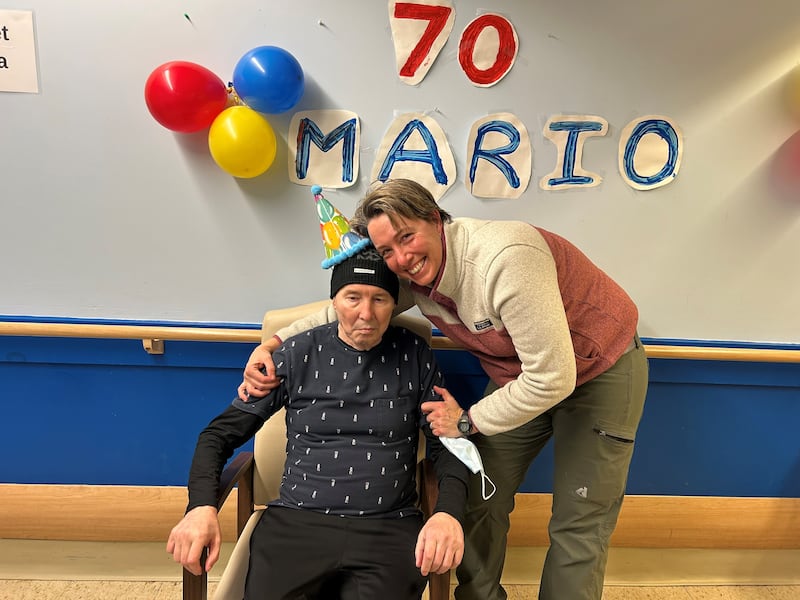
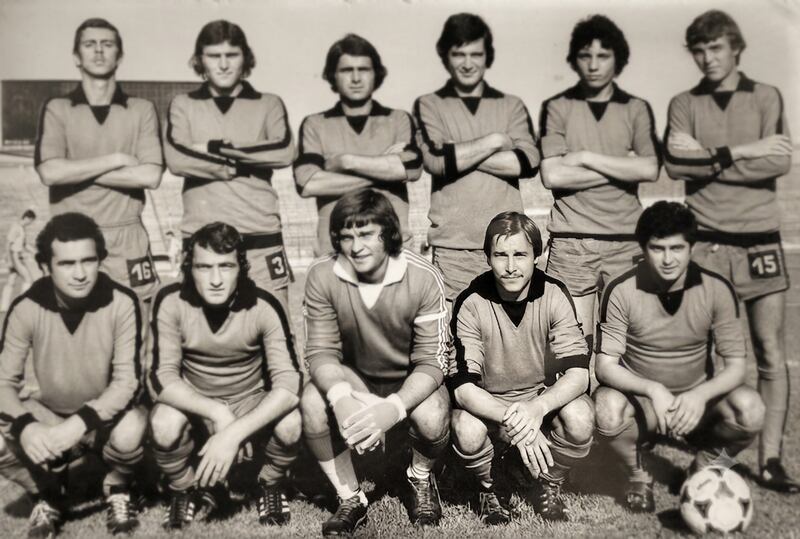
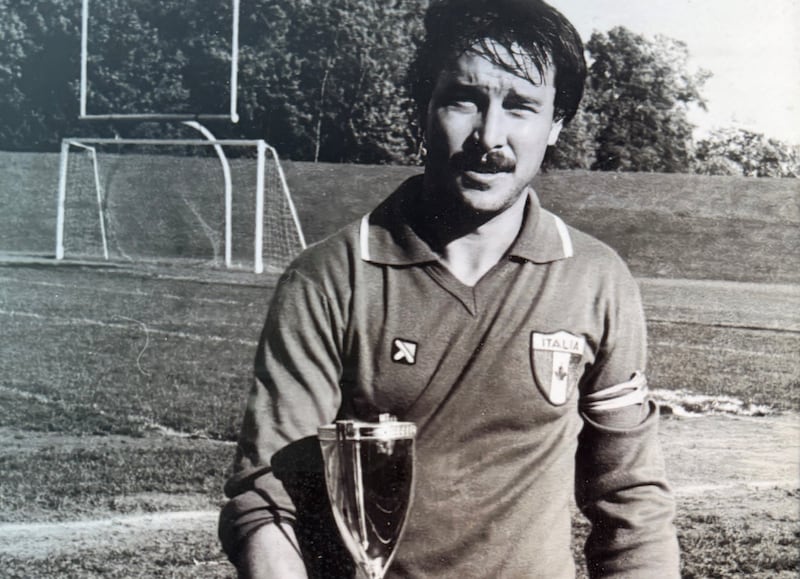
This week marks one year since the death of her father Marinel Risnita, known to friends as “Mario”. A Romanian-born midfielder, he played for FC Rapid București before defecting to Italy in 1979 and coming to Canada in 1983, where he suited up for Toronto Italia and the Toronto Blizzard.
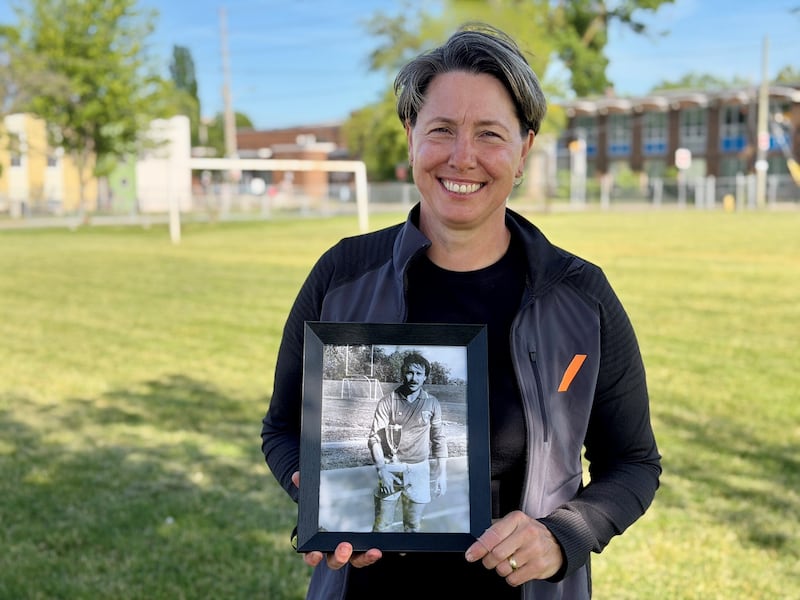
Heading was important to his game. “It was ball-on-head contact, it was shoulder-on-head. It was head-on-head,” Georgia says. “He lit up when he was on the field. He was built for it.”
At 57, Marinel suffered the first of three strokes, which was followed by frontal dementia that progressed quickly. He died June 8, 2025, at age 70.
Georgia had long suspected her father lived with chronic traumatic encephalopathy (CTE), a degenerative brain disease linked to repeated head impacts. After his death, she donated his brain to the Canadian Concussion Centre at Toronto Western Hospital.
The autopsy confirmed her suspicion.
“CTE is just not massive blow impact. It’s repetitive and it’s like death by 1,000 paper cuts,” says Georgia who wants parents to know the hits that could cause CTE can be minor.
CTE’s long-lasting impacts
CTE was long associated with boxing, football and hockey. But researchers say the picture is expanding.
Dr. Carmela Tartaglia, a neurologist and co-director of the Canadian Concussion Centre, says it’s only been in recent years that scientists started examining the brains of former soccer players and began finding CTE and other neurodegenerative diseases.
She says young players are especially vulnerable because the human brain does not fully develop until well into adulthood and the white matter tracts connecting different brain regions are still forming during the teenage years.
“That repetitive head impact might have long-lasting effects, which makes us worried,” Tartaglia says.
“People don’t have any idea that they’ve sustained something to the brain and that cumulative effect is what we’re worried about,” she says.
A decade ago, the U.S. Soccer Federation banned heading for players 10 and under during games and training. England, Scotland and Northern Ireland banned heading practice for children under 12 in 2020.
Canada Soccer has issued guidelines for kids under 11, saying heading “should not be introduced in training sessions.”
But those are recommendations.
Tim Fleiszer, executive director of the Concussion Legacy Foundation Canada and a former CFL player, has been pushing Canada Soccer on this for nearly a decade. He welcomed the guidelines but is not satisfied.
“It does not go as far as they’ve gone in the U.S. and the U.K., and our concern is that we’re falling behind other countries.”
Fleiszer is also a father of three boys who all play soccer. He says the gap between what the guidelines say and what actually happens on the field is a problem.
“In my 10-year-old’s soccer game the other day, I counted almost 20 headers. So it is happening, and it’s happening in games.”
“Even if you’re just concerned about athletic performance. What we’ve seen is reaction time gets affected proportional to the number to the impacts that kids or athletes take over the course of their career,” Fleiszer says.
The moment to raise awareness
Georgia Risnita hopes her father’s diagnosis moves the needle. With the world’s eyes on soccer this summer, she thinks the moment to raise awareness is now. This week also marked the one year anniversary of her father’s death.
“I wanted his legacy to be to help with the research on CTE, and to help the next generation,” Risnita says.
Fleiszner says Canada Soccer has agreed to meet with his group after the World Cup.
“We’re hoping that at that point we’ll be able to go a step farther and establish a policy.”

