OTTAWA – The percentage point gap between the number of boys and girls playing organized sport weekly has doubled in the last two years, according to the 2026 Rally Report from Canadian Women & Sport.
The survey found six in 10 girls, or 61 per cent, play organized sport weekly in 2026, compared to seven in 10 boys, or 71 per cent. The Rally Report is done every two years, and in 2024, 63 per cent of girls reported playing organized sport weekly, compared to 68 per cent of boys. In other words, the gap between boys and girls playing has doubled over two years from five to 10 per cent.
“We’ve made progress, but there’s a long way to go,” Women & Sport CEO Allison Sandmeyer-Graves told CTV News.
“It is disappointing that we haven’t continued to see progress in the growth of the number of girls who are playing consistently or on an ongoing basis,” Sandmeyer-Graves said.
The progress she and the report refer to compares the more recent participation numbers in the low 60s to the 2020 report, where 50 per cent of girls reported playing organized sports weekly. The organization says the 2020 numbers were captured in February, before COVID-19 shutdowns may have impacted participation numbers.
While girls aged 13 to 15 are staying in organized sports at rates closer to boys’ level of participation, at 16 and older “dropout rates accelerate,” according to the report.
Four in 10 girls aren’t playing sports at all, and by age 16, that increases to more than half.
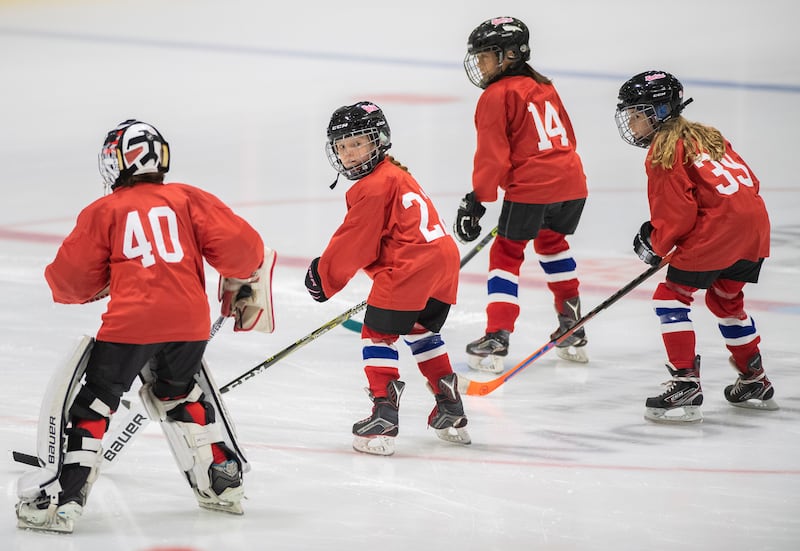
‘It stops meeting their needs’
Sandmeyer-Graves attributes the drop-off, in part, to competing priorities for teen girls, describing a time when academic and social pressure rises. She says that means girls are losing out on the benefit of playing sports at an important time in their development, as well as missing out on “lifelong benefits,” including physical and mental health boosts and leadership skills.
“What we have is a sports system that wasn’t actually designed for them, and what we see in those numbers is that it stops meeting their needs and interests,” she said.
CTV News spoke with a trio of female players at Ottawa’s Futuro Soccer Academy who are bucking the trend, committed to soccer at 16 and 17 years old.
They’re so committed, in fact, that they train four nights a week at an outdoor pitch into December, plus one night of strength training. When snow falls, shoveling that pitch becomes part of team building. One parent quipped he bought an electric shovel to help give a boost this year.
“It becomes the best life, because you’re not sitting around thinking too much. You have stuff to do, and you’re always active, whether it’s with your friends, or with your teammates,” said Anna Cino about her commitment to her sport, and to the sometimes challenging balance of juggling her final year of high school, multiple sports, and her social life.
Cino and Addy Hartell each have two brothers, while Vivian Messam grew up with a troop of neighbourhood boys to compete with. As younger kids, the girls say they never thought twice about doing what the boys did.
“Growing up with that in my family, it was a really big thing to push me and show that I can do what they’re doing as well,” Hartell said.
“Having girls realize that they can compete with boys will 100 per cent help bridge that gap,” said Messam.
The girls aren’t surprised by the Rally Report’s findings. They’ve seen the drop-off in participation firsthand.
“I definitely notice it now, especially in high school, because I see my friends dropping out of their sports that I know they love, but they just don’t see a future in it,” said Cino.
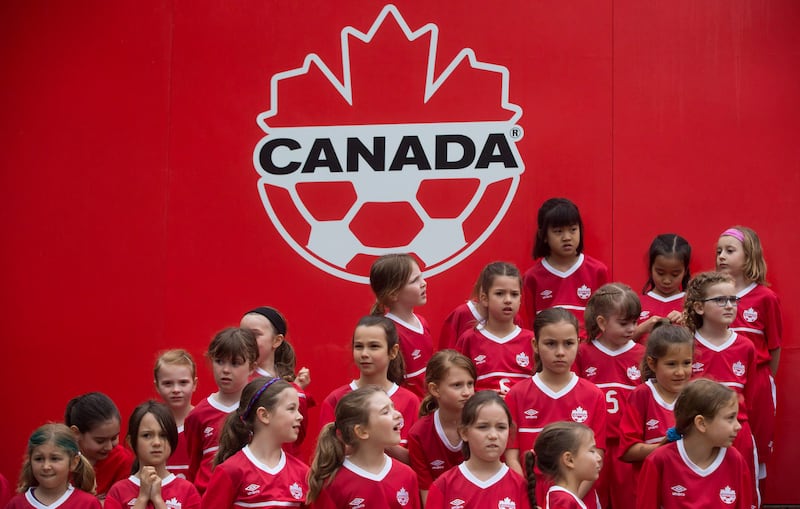
Difference in celebration is ‘insane’
Hartell describes the gap between boy and girl players as frustrating. All three girls easily cite examples from their lives where boys’ sport was given more prominence.
“It’s a hard thing to talk about because you don’t want to seem petty or anything, but it’s kind of hard because we work just as hard,” said Cino.
Messam remembers a big win for her school’s basketball team last year – platinum, compared to the boys winning bronze (yes, she also plays basketball).
“The difference between the way it was promoted was insane,” she remembers. The boys were on the announcements and got a pep rally. The girls’ team finally got their pep rally the next year, she said, even though they won before the boys.
“These things need to be promoted when they happen, in the proper way, so that people who are the target audience are actually going to see it. I feel like that’s a huge thing when it comes to preventing girls from dropping out,” Messam said.
Even with those frustrations, all three say they have seen some improvement in the way girls’ sport has been recognized in the past few years.
Both the Rally Report and these teen players say the advancement of pro women’s teams and leagues, whether it be hockey, soccer or basketball, has been helpful, especially for raising that visibility.
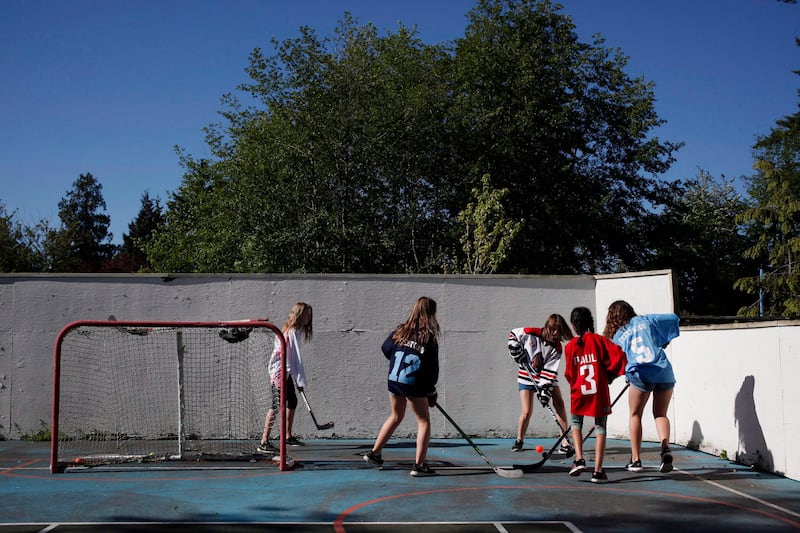
‘“It is giving them more to cheer for, more access to role models, more inspiration and motivation to play. That is truly exciting. We need to make sure that those girls have somewhere to play in their communities that works for them, where they feel well served and well supported,” Sandmeyer-Graves said.
The report offers four areas where the system can improve, including focusing on girls who aren’t involved in sport yet, with beginner-friendly and affordable options, as well as, on the other end, creating opportunities so girls have places to play after high school.
“It’s essential that we put girls right at the centre of the design. We don’t want them to be an afterthought,” Sandmeyer-Graves said.
She also flagged another concerning finding. Girls from low-income households and racialized backgrounds are seeing greater declines in participation rates.
And overall, cost is the No. 1 barrier girls name towards participation.
The survey captured responses from 4,500 Canadians across the country, including 1,960 girls aged six to 18, as well as parents and boys. For the first time, the report conducted focus groups to hear more directly from teen girls across Canada.
As for the players CTV News spoke to at Futuro, they’re all committed to playing soccer for as long as they can, at university and beyond, if possible.
“Just keeping it in my life,” said Hartell.
The trio all coach younger players at the club and hope to inspire young girls to stick with the sport, too.
“What I really want is for them to be excited to come play their sport and feel like they can compete against the boys as well,” said Cino.

