Geoffrey Hinton, the University of Toronto professor emeritus widely known as the “Godfather of AI,” says the technology he helped pioneer is set to unleash sweeping changes on the job market, with many workers at risk of being replaced by machines.
“I think for mundane intellectual labour, AI will replace everyone,” Hinton said in a recent interview on the Diary of a CEO podcast. He warns roles such as call centre workers and paralegals are currently most at risk.
Hinton, who left Google in 2023 to speak freely about the risks posed by artificial intelligence, believes the impact is already being felt.
“I think the joblessness is a fairly urgent short-term threat to human happiness. If you make lots and lots of people unemployed — even if they get universal basic income — they are not going to be happy,” he told podcast host Steven Bartlett.
The pace of AI’s advance has been on full display in recent months. During the NBA Finals, a TV commercial produced entirely by AI aired in the U.S. The ad, which cost just US$2,000 and took a little over two days to make, required no human production crew or actors. It highlights how generative AI is poised to disrupt industries once thought immune to automation.
Major corporations are already signalling that change is coming. Amazon CEO Andy Jassy told employees last week the company expects to “reduce” the corporate headcount as it adopts AI tools.
“We will need fewer people doing some of the jobs that are being done today, and more people doing other types of jobs,” Jassy wrote in a memo, calling AI “a once-in-a-lifetime technology.”
The warnings extend beyond Amazon. Dario Amodei, CEO of AI company Anthropic, recently said AI could eliminate up to half of entry-level white-collar jobs within the next five years, potentially pushing unemployment as high as 20 per cent. Amodei urged both workers and governments to prepare for a rapid shift from AI augmenting jobs to fully automating them.
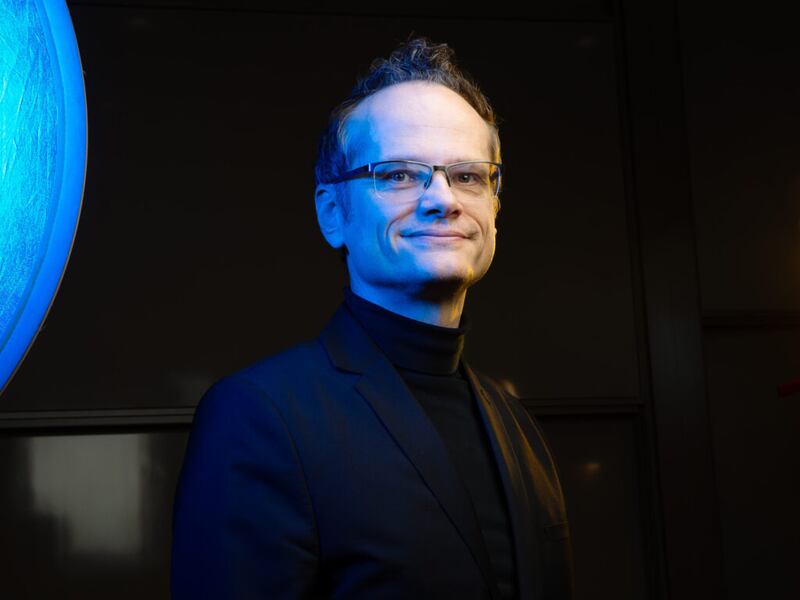
But Western University’s chief AI officer Mark Daley isn’t quite as alarmist.
“I think he’s right when he says all white-collar jobs have some elements of risk,” says Daley. “I don’t think that means they’re at risk of extinction but certainly what the job entails is probably going to change dramatically in our near future.”
While some in the tech industry argue that AI will ultimately create more jobs than it destroys, others are unconvinced.
“That’s what the economists will tell you every time there’s a technology transition. More jobs are created than destroyed,” said Daley. “But we’ve never had a technology transition where we’ve got machines that think.”
Hinton also doubts that a new wave of jobs will emerge to offset the losses.
“This is a very different kind of technology,” he said. “If it can do all mundane intellectual labour, then what new jobs is it going to create? You would have to be very skilled to have a job that it couldn’t just do.”
Recent university graduates are feeling the impact. Daley notes those who studied in some technical fields like computer science, are finding it harder than usual to land their first positions. Experts say what may be partially to blame is a hesitation to hire for roles that may be automated or done by fewer people working with AI assistants.
As for which jobs are likely to be “AI-proof,” experts suggest that roles requiring human interaction — such as healthcare and the performing arts — are less likely to be disrupted.
“We’ll always want to see humans perform because we’re human,” Daley said.
Hinton says it’ll be a long time before AI is good a physically manipulating things, so his advice for those seeking a safe career is: “Train to be a plumber.”

