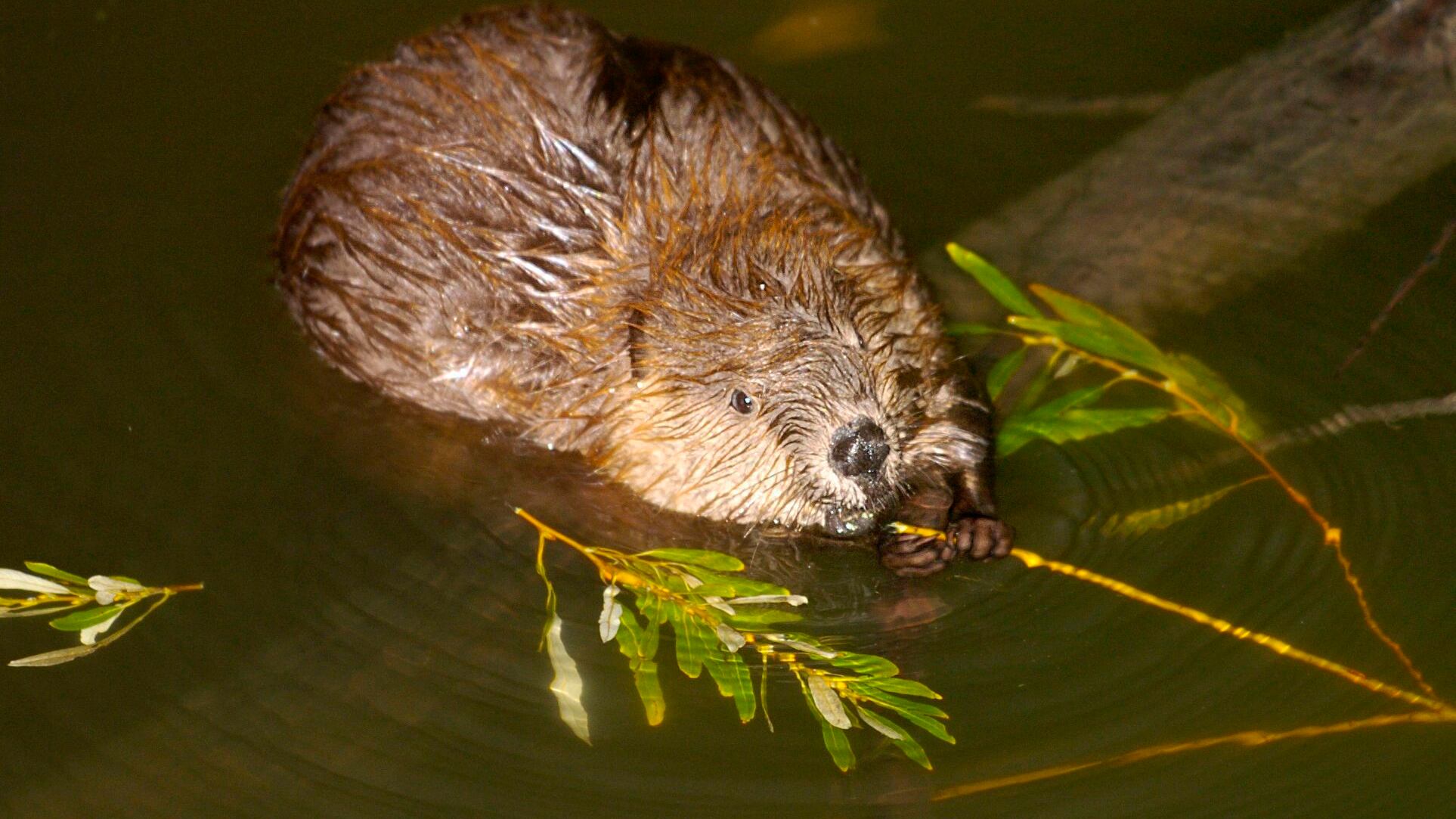
As North America fights increasingly brutal wildfire seasons, one team of U.S. researchers is suggesting something among the lowest of low-tech strategies: To let the humble beaver do its work.
In a study published Monday, environmental scientists at Stanford University and the University of Minnesota examined aerial photos across a vast area of the western United States and Canada, cataloguing more than 1,000 individual beaver ponds to better understand how they interact with watersheds and the surrounding land.
“Beavers are naturally doing a lot of the things that we try to do as humans to manage river corridors,” said study co-author Kate Maher, in a Monday release.
“Humans will build one structure, leave it there, and hope it lasts for many decades. Beavers on the other hand, build little, tiny dams where they’re needed and flexibly manage what’s going on with the water in their environment.”
Furry firefighters?
By building dams across rivers, beavers create ponds of cool water throughout forested areas, contributing to local biodiversity and, researchers say, both improving water quality and reducing the spread of wildfires.
In particular, beaver ponds help create what forestry experts call “fire refugia,” or patches of land that remain untouched, even when the surrounding area burns.
In one 2020 study, researchers found that areas without beaver populations lost three times as much vegetation during wildfires as those with plentiful dams, on average. And while those burned zones tended to grow back over time even without them, refugia like beaver ponds were found to be strong contributors to wildfire resistance.
“When a fire does ignite, our data suggests that the beaver-dammed riparian areas have stored water that kept plants hydrated enough to make it energetically unfavorable to burn,” it reads. “It’s similar to trying to start a fire with a pile of wet leaves versus with dry kindling.”
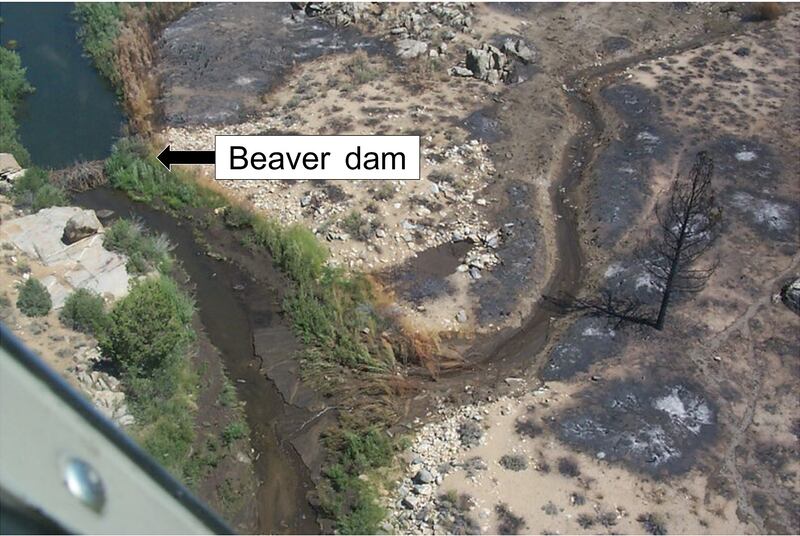
Included in the study is a photo from the aftermath of a California wildfire showing two branches of a creek, one scorched bare and the other with a strip of greenery cutting through the devastation.
The difference between them? That still-green branch had a beaver dam spanning from bank to bank.
Lodging concerns
Since the gold rush of fur trapping in the early days of European colonization, North American beaver populations have fallen sharply, to between 10 and 15 million in the modern day from estimated highs in the hundreds of millions.
Most recently, though, conservation efforts have set the stage for a resurgence.
“After enduring centuries of hunting, habitat loss, and disease, North American beavers … are making a comeback – and bringing benefits for both humans and nature with them,” the Monday release reads.
Not everyone would be thrilled to hear it, though. Researchers note that, in the wrong place at the wrong time, beaver dams can cause headaches, if not catastrophes, from flooding agricultural fields, to preventing drainage along roadways, to reducing water flows to already drought-stricken areas.
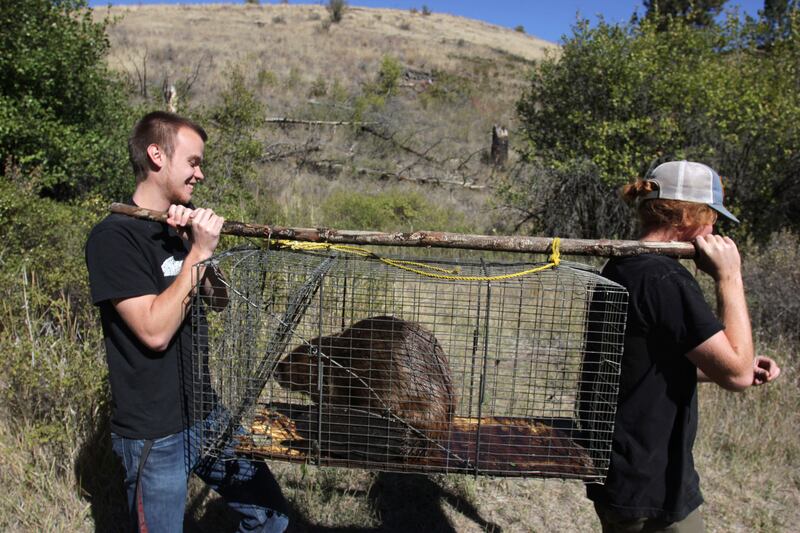
Maher and her colleagues recommend a tailored approach, supporting the growth of beaver populations while relocating “nuisance beavers” to somewhere they can help, not harm.
Identifying those high-impact areas is the next question to tackle, they say. The study published Monday provided data on how the length of dams, strength of streams and the height of local vegetation can influence the size of ponds, laying the groundwork for building site-selection maps.
“There’s definitely a lot of exuberance around reintroducing beavers, and it may not be that every beaver reintroduction project is the right one to pursue,” said Maher in the release.
“It’s important to understand those trade-offs and the risks and rewards from either intentionally reintroducing beavers, or just their natural return to watersheds.”

