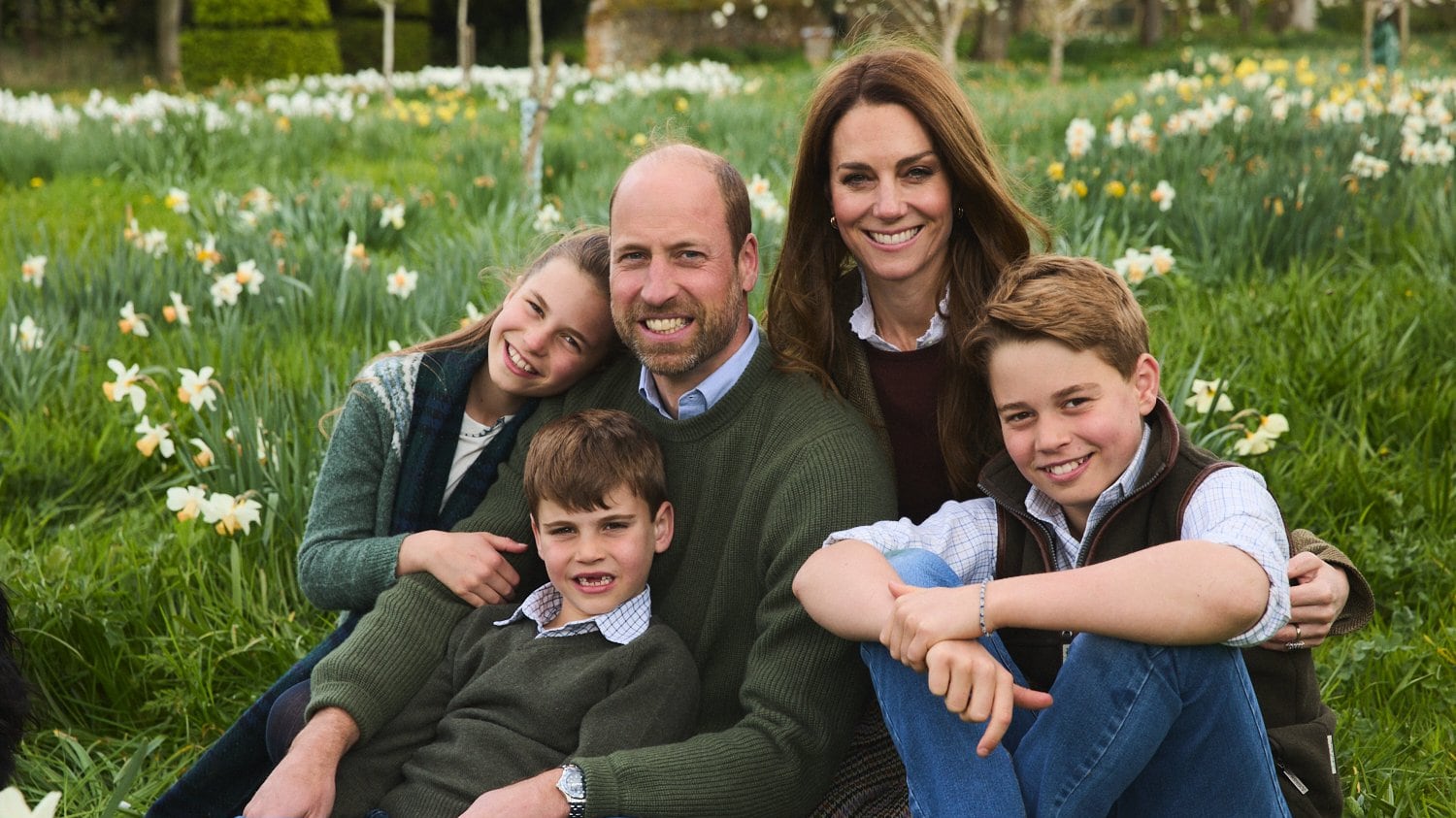
As Catherine, Princess of Wales, marks her birthday on January 9, public attention will inevitably gravitate toward the visible markers of royal life: the engagements, the patronages, the careful choreography of appearance and absence.
Yet Catherine’s most consequential work is happening behind the scenes, beyond the reach of cameras and commentary, in the daily, largely unseen task of raising three children – one of whom will, in time, inherit the crown.
People often overlook parenting in discussions about royalty, seeing it as less important than matters like diplomacy or duty.
However, monarchy is more than rituals and ceremonies. It represents generations of individuals who are moulded well before taking on any constitutional responsibilities. If the monarchy’s future depends on trust, staying relevant, and building emotional bonds, Catherine’s role as a mother matters just as much as any major reform or leadership.
Catherine has been open about her thoughts on what kids need to grow and succeed, which isn’t something you often see from royals. Through her ongoing work focused on early childhood with the Royal Foundation for Early Childhood launched in 2021, she has argued that emotional growth is essential, not just a bonus.
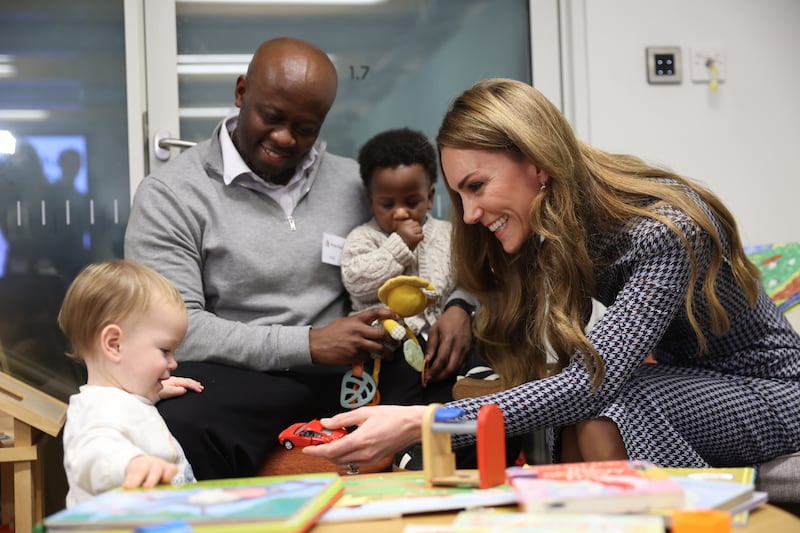
In her opinion, qualities like confidence, empathy, resilience, and self-awareness are key pillars of a stable and healthy society.
When launching the Shaping Us campaign in 2023 she said, “The way we develop, through our experiences, relationships, and surroundings during our early childhood, fundamentally shapes our whole lives. It affects everything from our ability to form relationships and thrive at work, to our mental and physical well-being as adults and the way we parent our own children.”
This belief has practical importance for Prince George. His future responsibilities will require emotional intelligence just as much as a solid grasp of constitutional duties.
The monarchy of tomorrow will face a world shaped by real-time reactions, constant social media judgment, and widespread doubt about inherited authority. Power will depend less on staying distant and more on earning trust through emotional authenticity.
By focusing on teaching emotional understanding from an early age, Catherine seems to be getting her eldest son ready for a type of kingship that stands out from past traditions. A king who shows empathy, manages emotions well, and listens to others will handle leadership in a divided world better than one raised only to be stoic and reserved.
A subtle shift in royal parenting
Catherine’s method isn’t dramatic or rebellious but instead involves a quiet shift. She hasn’t outright dismissed tradition or announced a brand-new way of royal parenting. Instead, she introduces modern ideas through small actions and understated gestures.
“What Kate’s done is flip the old royal script,” says Royal Commentator Daisy McAndrew.
“Previous generations were brought up with a lot of duty, a lot of distance and not much emotional hand-holding. She’s far more hands-on, very tuned in to how her kids feel, and determined they grow up feeling secure before feeling ‘royal’. That matters.
“A monarchy shaped by people who’ve been allowed to be children first is one that’s likely to feel warmer, more relatable and more emotionally confident – and that’s exactly what that family needs.”
We notice it in how she talks to her children in public – bending down to their level, recognizing their emotions, and showing affection. These little things often seen as trivial, reflect a big change in an institution known for being reserved.
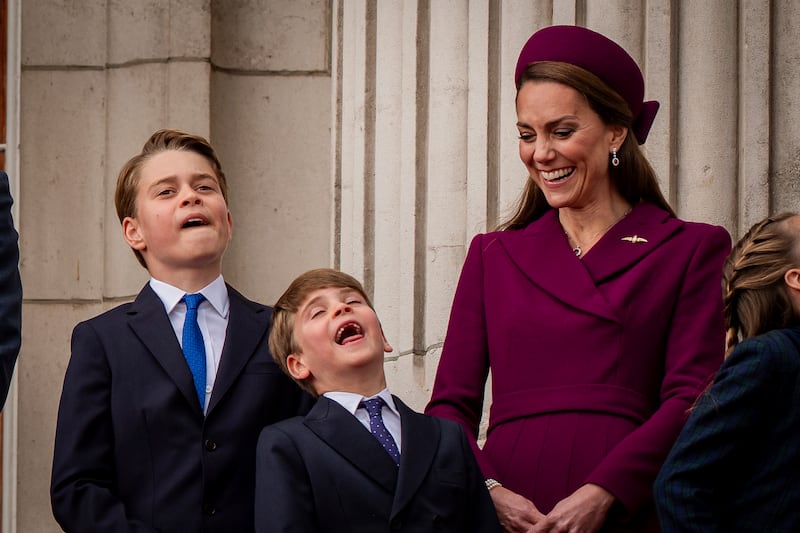
They show she believes you can be both warm and in charge. At the same time, Catherine keeps discipline and structure intact.
She oversees school choices, routines, and expectations. This balance is a lesson: being available while staying consistent. By doing this, she mirrors modern parenting ideas but still protects the Royal Family’s sense of dignity and order.
Childhood as a guide
Catherine’s way of being a mother is a reflection of her own upbringing. She was brought up in a close family that shared emotions where she felt safe without the weight of strict aristocratic rules or constant public attention.
When talking about her upbringing she said, “When I was growing up, I was very lucky. My family was the most important thing to me. They provided me with somewhere safe to grow and learn, and I know I was fortunate not to have been confronted by serious adversity at a young age.”
That kind of childhood seems to have built her confidence – both in who she is and in trusting her instincts – which flows into how she raises her kids. What stands out is how much effort she puts into giving her children a childhood that feels as normal as it can.
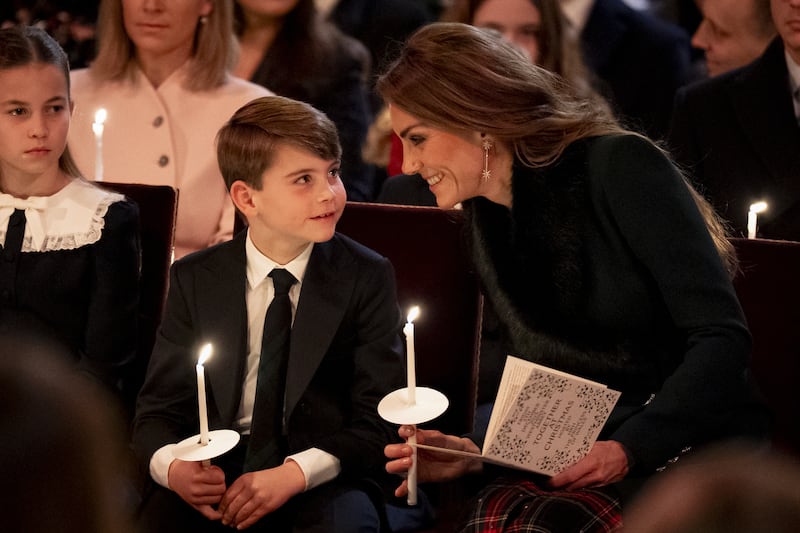
She works to shield them from too much media and focuses on their school experiences and making friends. Catherine seems to understand that a strong emotional base should come before learning how to take on public duties.
“Kate is clearly trying to bring a warmth to her parenting style in the Princess Diana mould but with a stability that was perhaps missing from William and Harry’s upbringing at points,” says Royal Correspondent Jack Royston.
“The Wales kids are sporty, much like Kate herself, and are also getting that crucial lesson in giving back and understanding the gap between rich and poor, which is obviously growing. Kate, and indeed William, are also very keen to be present in their children’s lives, not simply leaving the nanny to take the lead.”
This points to a quiet recognition of what earlier royal figures missed. Past heirs have been taught to prioritize duty over feelings, and grew up with emotional limits that shaped their lives.
Now, there is a subtle shift aiming to address that. Catherine’s approach sends a clear, though unspoken, message. For a future monarch, feeling secure is not just optional. It is essential.
Schooling as signal, not just logistics
Even the question of where the Wales children are educated carries deeper significance. Traditionally, royal heirs have been funnelled toward boarding school as a rite of passage, a training ground for independence and emotional restraint. Yet Catherine has already nudged that convention by prioritising stability and presence in the early years.
While Lambrook School, where the children currently attend, has offered continuity and a family-centred routine, speculation continues over whether Prince George will eventually follow his father to Eton College.
Royston told me, “William loved Eton but it is an all-boys boarding school. Kate was initially bullied at an all-girls boarding school, Downe House, before being much happier at co-ed Marlborough. It was felt for a long time that Kate would prefer the kids follow her path not William’s and go to Marlborough but only time will tell.”
What is striking is that boarding school now feels like a choice rather than an inevitability.
Catherine’s emphasis on emotional security raises the possibility that, at least initially, the Wales children may remain day pupils or delay boarding altogether – an approach that reflects broader shifts in elite parenting. If so, it would signal another quiet recalibration: that emotional grounding at home is no longer seen as incompatible with preparing a future king, but integral to it.
Reflecting on the past, guiding tomorrow
Looking back at older ways of raising royals shows a stark contrast. Monarchs like Queen Elizabeth II grew up rooted in discipline, distance, and a deep sense of duty carved into them from an early age.
While that upbringing fostered strength and consistency, it often came with a price: a lack of emotional vulnerability. Catherine looks like she learns from history instead of repeating it.
She doesn’t aim to tear down traditions but wants to embrace them and adapt them. She focuses on the idea of service while making it feel less distant and more approachable for the people relying on the crown.
More than just the supportive role
People often talk about Catherine in terms of her relationships – she is Prince William’s wife, the future queen consort, and his calm reliable partner. While these titles are important, they can sometimes overshadow the unique impact she makes on her own.
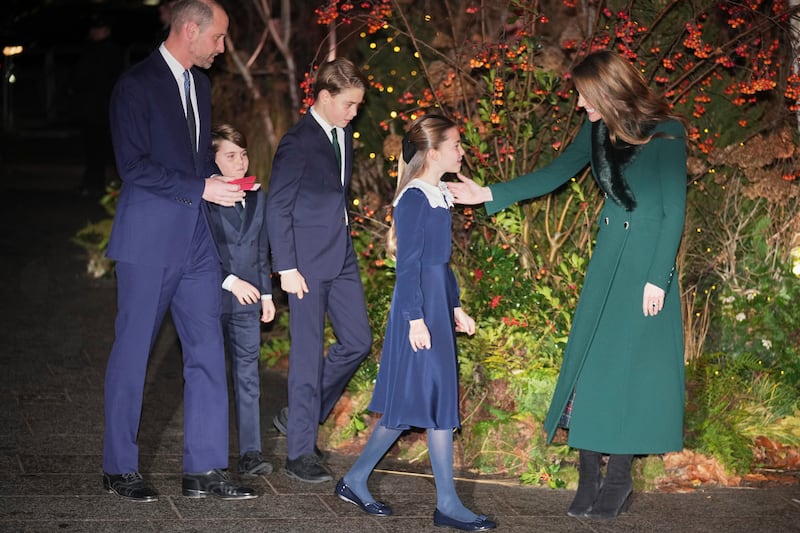
Through the perspective of motherhood, Catherine stands out as someone building traditions for the long term.
The mark she leaves might not be obvious right away or easy to measure, but it holds deep significance. She is crafting the emotional foundation of the next era blending humanity with tradition to shape future leadership. This effort goes beyond ordinary parenting. It is a subtle, steady, and purposeful way to prepare for leadership in a thoughtful manner.
Thinking about legacy on her birthday
As Catherine marks another birthday, it’s important to look beyond public celebrations and milestones. Behind the walls of the palace, she is doing quiet yet important work. By raising a future king, she is shaping not just a child, but also the future of monarchy in the modern world.
Crowns may be inherited, but leadership is learned. And in her emphasis on emotional literacy, balance and grounded upbringing, the Princess of Wales is offering a compelling blueprint for the monarchy’s future – one built not on spectacle or reinvention, but on emotional intelligence, stability and quiet confidence. Her greatest legacy may not be what she wears, says or symbolizes today, but what the next king becomes tomorrow.

