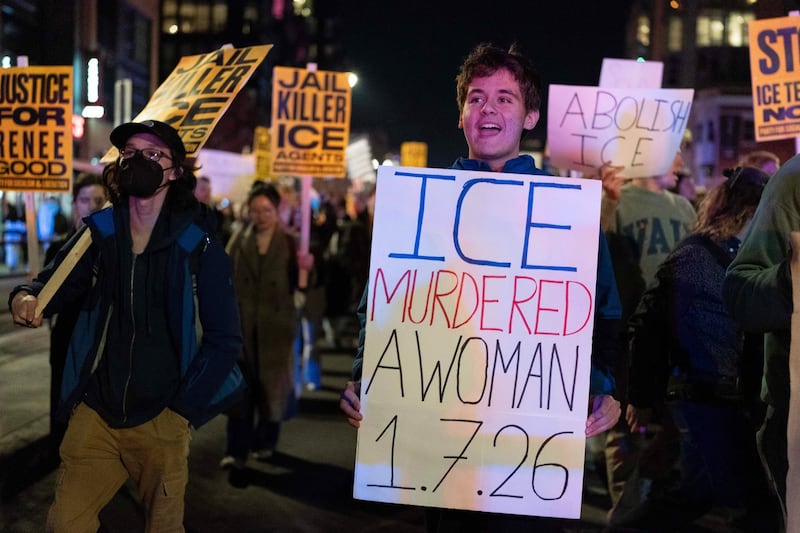
The U.S. Immigration and Customs Enforcement agency has become the driving force behind the Trump administration’s efforts to deport millions of undocumented immigrants. Better known as ICE, the agency has made thousands of arrests over the past year. But in the process, ICE agents have also been criticized for heavy-handed tactics, wearing masks, detaining American citizens, and excessive use of force, such as the Jan. 7 shooting death of U.S. citizen Renee Good.
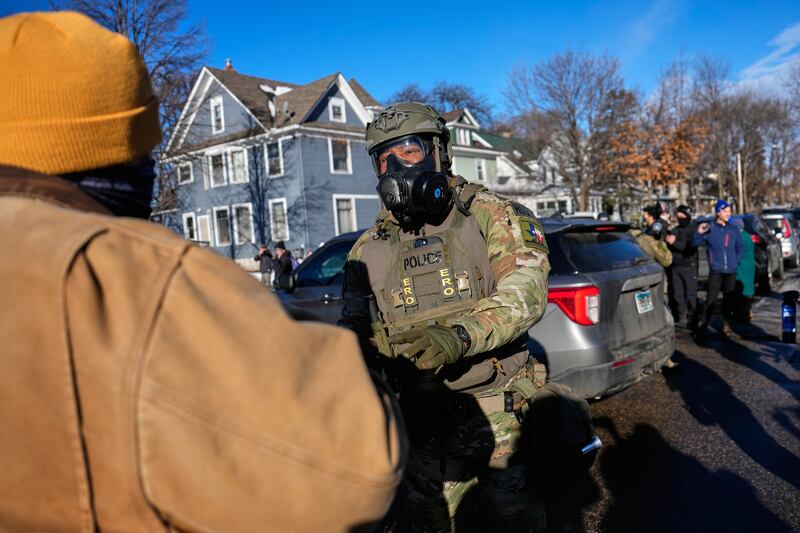
What is ICE?
ICE began operating in 2003 as part of a U.S. government effort to bolster national security in the wake of the Sept. 11, 2001, terror attacks. As part of the Department of Homeland Security, ICE’s primary function is to enforce immigration laws within the U.S., while U.S. Customs and Border Protection handles enforcement at and between ports of entry.
“So it’s civil law, it’s not criminal law,” Atlanta-based immigration lawyer Sarah Owings told CTV’s Your Morning on Tuesday. “They are sort of like the Internal Revenue Service … only they have guns.”
According to data released by ICE, in the 2024 and 2025 fiscal years, the agency was responsible for 140,037 arrests, 344,788 detentions and 342,889 removals.
“In a public space, they are able to stop someone, they are able to inquire about their immigration status if they have a reasonable suspicion that someone is here in violation of status,” Owings explained.
“They can take anybody into custody if they believe that they are here in violation of status. They are not of course supposed to detain U.S. citizens. U.S. citizens are not subject to the jurisdiction of immigration and customs enforcement.”
According to the non-profit news organization ProPublica, in 2025 more than 170 U.S. citizens were detained in immigration raids and protests. More than 200 Canadians have also spent time in ICE custody over the past year.
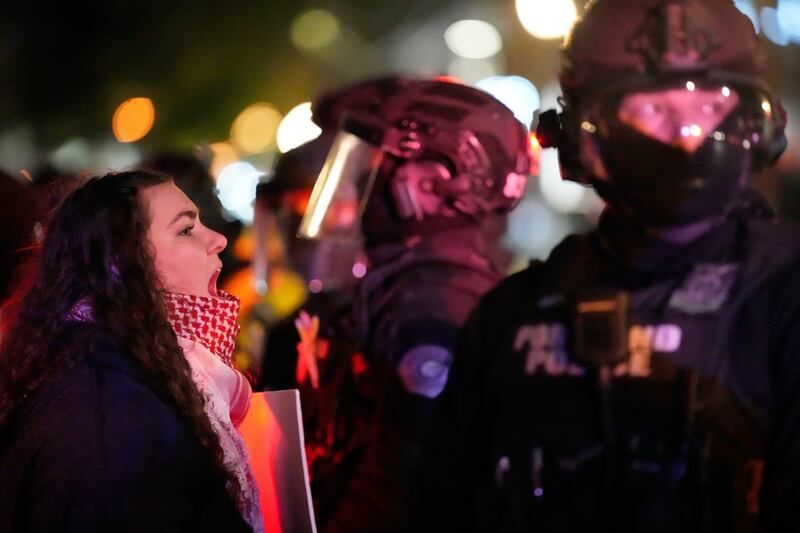
How has ICE changed under Trump?
Since U.S. President Donald Trump began his second term, ICE has significantly boosted its manpower while receiving billions of dollars in new funding. Thanks to aggressive recruiting efforts that can include a US$50,000 signing bonus, ICE has hired more than 12,000 new recruits over the past year to reach 22,000 officers and agents.
ICE has also expanded the scope of its activities to target all people who are in the U.S. without authorization. Owings says the agency previously went after the “worst of the worst” such as known criminals and “people who were a threat to public safety.”
“The law hasn’t changed … policies, the way that the law is executed, have,” Owings added. “They’re casting a much broader net now. Now we’re seeing [ICE] go after everyone essentially.”
While ICE previously targeted individuals for arrest and removal from the U.S., it is now teaming up with other federal agencies to conduct large-scale and heavily publicized operations in U.S. cities such as Minneapolis and Los Angeles. ICE agents are also now being allowed to operate in more places.
“They’re not supposed to be able to enter private residences, and they also have locations where they’re not supposed to go, sensitive locations such as schools and churches and courthouses,” Owings said. “But of course we’re seeing some changes regarding those things. … The Trump administration in the last several months has allowed for people to enter those sorts of locations, including courthouses.”
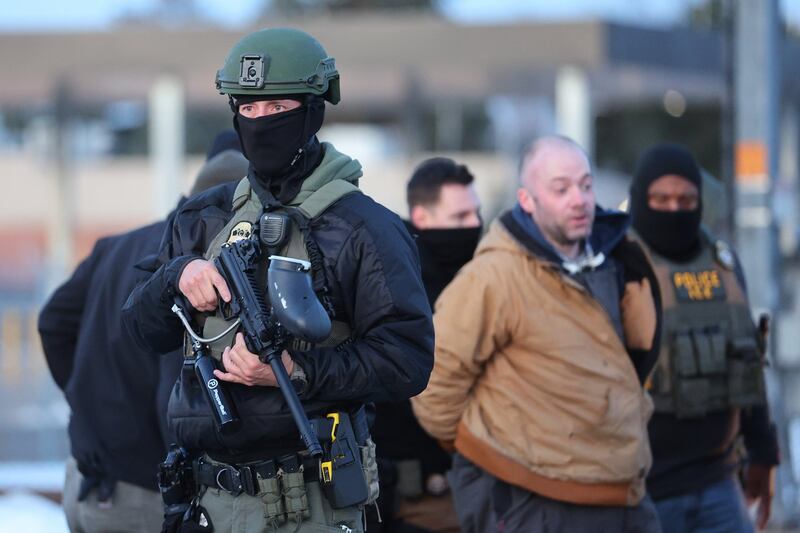
Why do ICE agents wear masks?
ICE allows its officers and agents to wear masks to prevent harassment and doxing, which is when personally identifiable information is made public for malicious purposes.
“They’re worried about agents’ safety and officer safety and so they’re wanting to remain anonymous in order to protect their identities,” Owings said.
While the practice has been defended by the U.S. government, it has also been condemned by many, including the New York City Bar Association.
“ICE agents’ use of masks not only screens potential abuses of power and shields officers from accountability, it is part of a pattern of government actions enabling the rise of repressive and authoritarian tactics,” the New York City Bar Association said in a June 2025 statement.
“The images of people being grabbed off the street by masked, armed men, shoved into unmarked vehicles, and taken away to unknown locations bears a fearsome resemblance to the oppressive tactics of authoritarian regimes.”
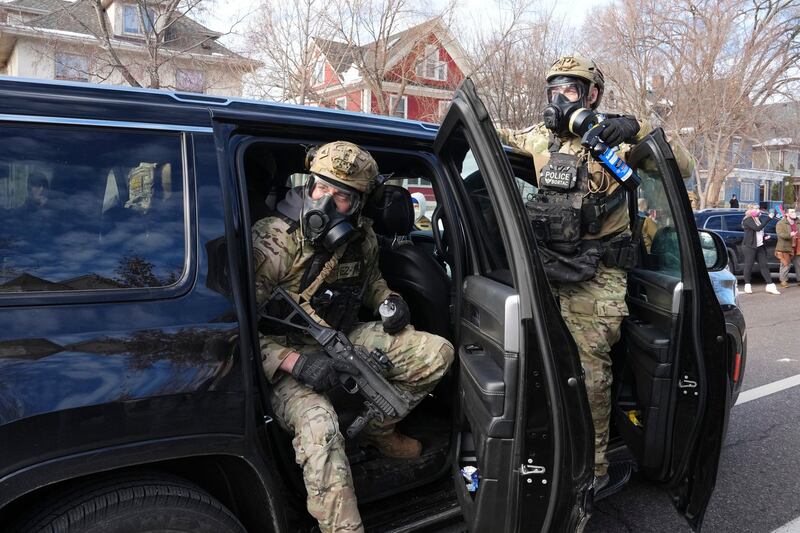
Are ICE agents allowed to use deadly force?
Law enforcement agencies have responded to protests against immigration operations with tear gas and rubber bullets. Thirty-two people reportedly died in ICE custody in 2025 while another four died in the first 10 days of 2026. Several have also been shot.
According to Department of Homeland Security policy, its law enforcement officers can only use deadly force “when necessary” if they have “a reasonable belief that the subject of such force poses an imminent threat of death or serious bodily injury” to the officer or another person.
ICE’s use of deadly force has sparked fresh protests after U.S. citizen Renee Good was fatally shot in the head by an ICE agent while in her car in Minneapolis on Jan. 7. While the Trump administration has vehemently defended the agent, saying he acted in self-defence to avoid being hit by the vehicle, footage from the scene has led many to question if the agent was actually in danger.
With files from CNN and The Associated Press

