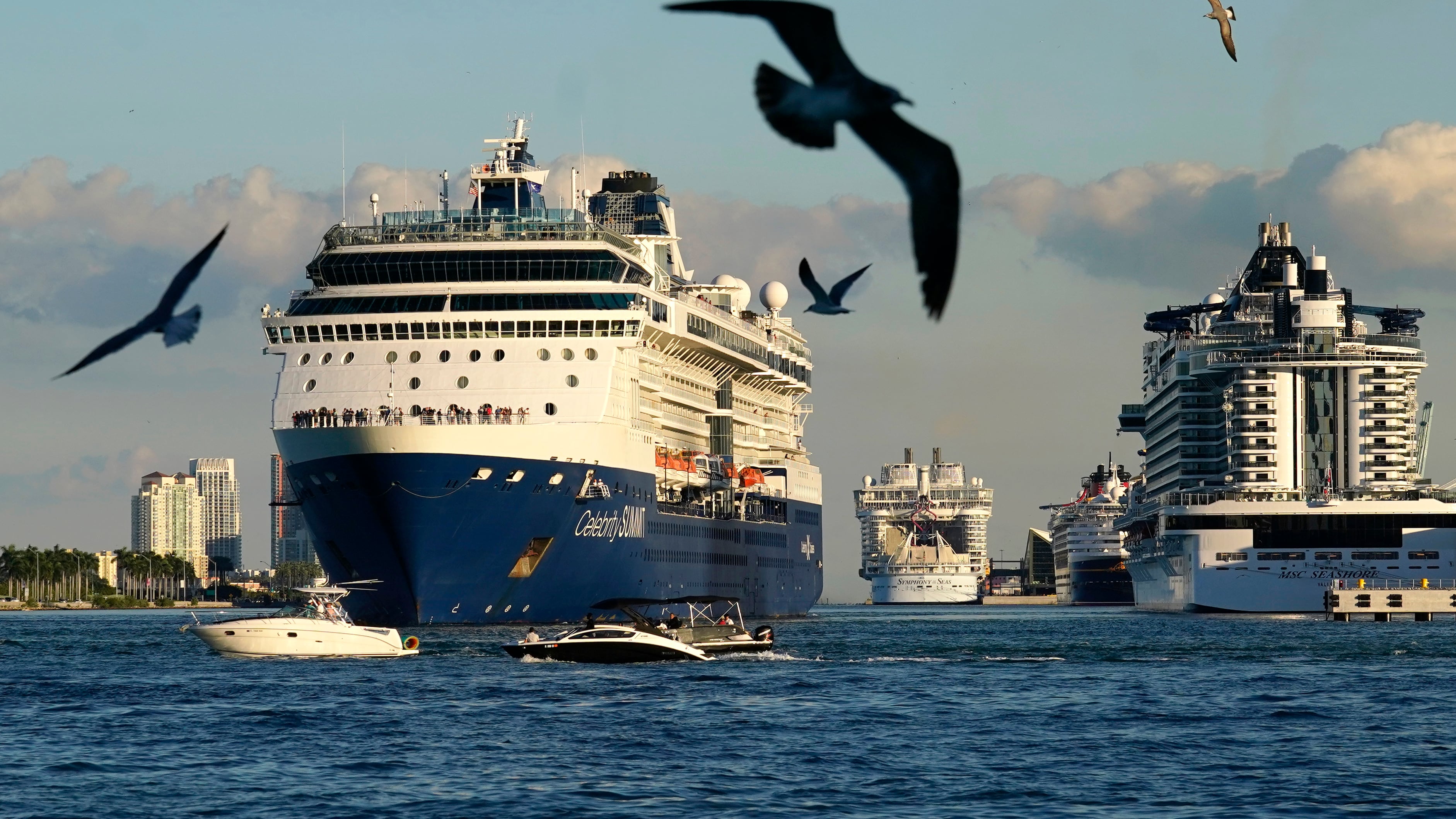
Cruising is having a moment. AAA projects that a record 21.7 million U.S. travellers will book an ocean cruise in 2026, marking a 52 percent increase over the last six years.
But booking an ocean cruise can be both confusing and costly: There are dozens of cruise lines to choose from and, according to a recent survey of Consumer Reports (CR) members, the typical price paid for a cruise is just over US$2,750 per adult (approximately C$3,800) and climbs to at least twice as much in some destinations in Asia and other regions. (In Alaska alone, more than two dozen cruise lines offer cabins that range in price from about US$700 to $10,000, or C$970 to $13,900, for a seven-day trip.)
With so many choices, which cruise companies are worth your time and money? To help you decide, CR rated 19 ocean cruise lines based on a survey of 18,850 of its members, who we asked about the most recent ocean cruise they took in the last 36 months. Among them, three ranked high enough to earn Consumer Reports’ Recommended status.
While cruise fares can run into the thousands of dollars, the price typically includes your cabin, meals, entertainment, gym, pool, and visits to multiple (and sometimes far-flung) ports. On some lines the fare also covers extras such as some spa services, seminars and classes, and onshore excursions.
Cruises also simplify much of the planning and booking that a lot of vacations require, says Mary Jean Tully, founder and CEO of Tully Luxury Travel, which specializes in small ship bookings. Imagine dinner on the Grand Canal in Venice, then on the same trip, visiting Dubrovnik, Rome, Florence, and Barcelona. “You unpack once, yet wake each morning to a new place.”
(One satisfied traveller told CR that on their cruise vacation, they simply “didn’t have to think.”)
CR rated cruise lines based on passenger satisfaction with the following factors: value for the price they paid, quality and variety of the food, customer service, onshore excursions run by the cruise company itself, and onboard activities and entertainment. These were used to calculate an Overall Satisfaction Score for every cruise line based on how well it rated in each of those factors. We then ranked the lines according to the Overall Satisfaction Score to reveal the best cruise lines.
We also asked about passenger satisfaction with some other elements of the cruise experience that did not factor into the Overall Satisfaction Score: cleanliness, cabin comfort, price transparency, the usefulness of the cruise line’s app (if it had one), the embarkation and disembarkation process, accessibility for people with disabilities, and programs and resources for families. These are also shown in the ratings table.
CR’s survey included big-ship lines, such as Carnival, Celebrity, Disney, Holland America, Norwegian, MSC, Princess, and Royal Caribbean, as well as lines with smaller luxury or expedition-type ships, such as American, Azamara, Cunard, National Geographic-Lindblad, Oceania, Regent, Seaborne, Silversea, Viking, Virgin, and Windstar.
Below, CR members can learn about the three cruise lines that have the highest Overall Scores and earned CR’s recommendation, as well as what makes them stand out in terms of service and shipboard experience, what passengers like and dislike about them, and tips on how to get discounted fares. Readers can also learn about our three picks for less expensive, family-friendly cruise lines.
1. National Geographic-Lindblad Expeditions
About the company: Lindblad Expeditions was a pioneer in expedition travel to Antarctica and other remote locations typically reserved for scientists. Two decades ago the company partnered with National Geographic, which provides its experts to shape and enrich the cruise experience. Together, the two companies offer education-focused adventure cruises on small, expedition vessels to difficult-to-reach and lesser-travelled locations around the world.
Ship type and size: At least a dozen expedition ships designed to navigate through ice, small ports, and tight waterways. Each holds between 16 and 148 guests.
Where it sails: Difficult-to-reach destinations such as Antarctica and the Arctic, including Greenland; off-the-beaten-path locations such as the Galapagos Islands and Iceland; as well as Alaska, Baja, and the Mediterranean. (It also offers river cruises in Europe, the Amazon, and Egypt.)
Price range and discounts: Seven-day cruises start at just around US$3,100 (C$4,300) per passenger; longer itineraries can reach into the US$20,000 (C$27,760) per-person range. CR Survey respondents typically paid about US$10,887 (C$15,100) per adult. Cabins for solo travellers are offered on a few ships but come with a hefty supplemental fee. Most excursions are covered by your cruise fare, including equipment such as snorkelling gear, and any overnight accommodations or meals that are part of the excursion. (Many cruise lines charge extra for excursions.) Discounts: Parties of eight or more receive a 5 per cent discount on fares. And anyone who pays for their fare using a debit card can receive a US$100 (C$139) ship credit.
The experience: Some ships have a passenger-to-crew ratio of 1-to-1; ships with 100 people can be up to 1.5-to-1, and passengers in CR’s survey give the line top marks for customer service. All voyages allow children aboard, although some offer Family Journeys, which have specific programs for children ages 7 and older. Most of the ships offer traditional cabins with two single beds that can be combined into one or a queen size bed, a desk, and a seating area. All cabins have ocean views, and many have a balcony. (That could be one reason the cruise line earned top ratings for its cabin comfort.) National Geographic-Lindblad also earned excellent marks for the quality and variety of its food. Even so, these ships don’t have the seemingly endless dining options of some of the other lines: Most National Geographic-Lindblad ships have a single dining room where meals are served at a specific time, and everyone dines together. Two of the newest ships—Resolution and Endurance—have multiple restaurants where you can choose when to dine.
Don’t look for Broadway-style entertainment and casinos on these learning-focused cruises. Instead, you’ll hear from marine biologists, naturalists, anthropologists, and other experts onboard to deepen your knowledge and enhance your experience of the destination. The public spaces can include libraries, lounges, gyms, saunas, and hot tubs. Many of the ships offer an “open-door bridge,” meaning you can observe the captain and crew navigating the vessel most any time. (On most other cruise lines, the bridge is typically closed off to passengers except during specific times.)
What passengers say: Many said that NatGeo-Lindblad trips are “not a luxury cruise,” despite the large price tag, and called it “phenomenal” and the “experience of a lifetime.” Others called attention to the “small ships,” “superb service,” “educational and environmental experiences,” “terrific food,” “onshore activities [that] were breathtaking,” and “specialists of every sort” onboard to educate passengers. One passenger summed it up: “Worth the extra price if you are there for the nature and not the booze.”
Pros and cons: Pros: Internet is free for all guests, and alcohol at mealtimes is included in the price on some ships. Cons: If it’s a priority for you, double-check that the ship sails with health professionals—at least one does not—though all ships carry defibrillators and other emergency medical equipment and can provide first aid.
CR’s take: National Geographic-Lindblad was the only cruise line out of 19 to receive top marks from CR members in all categories that went into the Overall Satisfaction Score, landing it at the top of the chart. It was also the only cruise line to receive top ratings in the “excursions” and “value for the price paid” categories, which is noteworthy considering it was also the cruise line with the highest typical price paid by survey respondents.
2. Windstar
About the company: After launching its first ship in 1986, the company was known for its exclusively wind-powered sailing yachts (with engine support). It expanded its offerings just over a decade ago to include luxury motor-powered cruises.
Ship type and size: Eight luxury motor sailing ships (three of which also can be powered by wind) that carry between 148 and 342 passengers.
Where it sails: Europe, the South Pacific, the Caribbean, Central America, and Alaska.
Price range and discounts: For standard, all-inclusive cabins, expect to pay from US$2,400 to more than $7,000 per person (C$3,330 to $9,715), which includes alcohol, WiFi, and gratuities. (You could save a few hundred dollars if you book with its “Cruise only” fares without the extras.) CR survey respondents typically paid about US$5,481 per adult (C$7,607). Excursions are extra and start at US$90 (C$125) for group outings. Prices for private excursions begin around US$1,300 (C$1,800).
Discounts: On select cruises, single supplement fees for solo travellers may be substantially reduced. (Windstar told CR that the fee is sometimes waived upon request.) Last-minute fares are sometimes offered for savings of up to 30 per cent. Every Thursday, the cruise line releases discounted fares on seven voyages, available for just seven days, unless they sell out sooner.
The experience: Windstar ships have a passenger-to-staff ratio of 1.5-to-1. Expect spacious, sleek, modern accommodations with a view—all cabins face the ocean, and many have balconies. Three of its yachts are suite-only, with rooms that can include large tubs, double vanities, walk-in closets, and expanded balconies and separate living spaces. The vibe across all of the ships is understated, relaxed elegance (no need to pack formal wear, as on some lines), in an intimate setting. Ships have a main dining room with no assigned tables or set dining times, and usually one or two additional restaurants where reservations are required. (Windstar received top-notch scores in the food quality and variety category.) Evenings usually have at least one entertainment option—live music, dancing, or karaoke, for example—and there are plenty of public spaces on the ships for more quiet pursuits, such as playing board games and socializing. Some of the yachts offer a “watersports platform” where passengers can easily launch kayaks, paddleboards, and other complimentary personal watercraft or just snorkel and swim right off the ship.
Windstar permits children ages 8 and older, but its cruises are tailored to adults—it offers few programs or activities specifically geared toward kids. Cruises have a similar open-door bridge policy as National Geographic-Lindblad, allowing you to observe crew as they navigate the ship.
What passengers say: Common sentiments among passengers included: The “ship was beautiful, the room comfy, the food fabulous,” and the “crew was fantastic.” A “sophisticated but very casual experience” (i.e., “no formal nights”) where “the food is excellent,” and there are “no children and no casinos or Broadway shows.” Other frequently mentioned highlights included the “first-class,” small ship and the “high staff-to-passenger ratio.” One survey respondent said that “quite a few [crew members] called me by my name,” and that their vacation was more like “travelling with a family instead of a business.” Perhaps the greatest compliment: “We were so satisfied with the experience, we booked another cruise before disembarking.”
Pros and cons: Pros: A doctor and medical staff are available on all cruises. And while most cruise ships depart a port of call just before dinnertime, a number of Windstar cruises make late-night departures or even overnight in port, giving you more time to explore the city or its surroundings. Cons: Several passengers mentioned the high cost of shore excursions.
CR’s take: Windstar landed in the No. 2 spot in Overall Satisfaction rankings (its Overall Score tied with Viking) and CR survey respondents reported a high level of satisfaction with the value for the price paid. Its high scores and passenger comments suggest Windstar is an excellent choice in luxury, small-ship cruising if you’re looking for an engaging, casual-yet-elegant cruise (and the option to sail on tall-masted yachts). Another bonus: Windstar’s small ships displace only about 18 feet (5.5 metres) of water or less, which means they can dock in ports far smaller than those offered by most cruises, allowing passengers to visit off-the-beaten-path (and less crowded) locations.
3. Viking
About the company: Viking began selling European river cruises to the U.S. market 25 years ago. In 2015, the company expanded into ocean cruising, and in 2018 it moved to an adults-only policy.
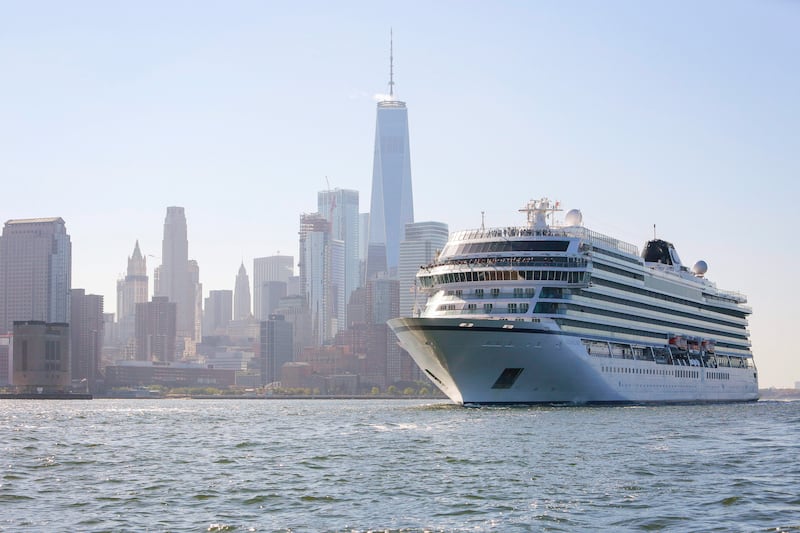
Ship type and size: Viking has an ocean fleet of 15 small-to-midsized ships with a maximum of 1,000 passengers.
Where it sails: Ocean cruises to Scandinavia, the British Isles and Ireland, the Mediterranean, North and South America, the Caribbean and Central America, Asia, Africa and the Middle East, Australia, and New Zealand.
Price range and discounts: Cruises start at US$1,999 (C$2,775) per person and range as high as US$79,000 (C$109,640) per person (including business-class airfare) for its 170-day around-the-world sailings. CR survey respondents typically paid around US$7,085 (C$9,835) per adult. Price includes an onshore excursion at each port, WiFi, beer and wine with lunch and dinner, specialty dining, room service, laundry, and gratuities—all of which travellers are likely to pay a fee for on more mainstream cruises.
The experience: Viking took its relaxed, refined approach to river cruises and applied it to its sleek, modern ocean ships. Its cruises have a passenger-to-crew ratio of around 2-to-1, and amenities include spas, gyms, pools, hot tubs, saunas, libraries, and lounges. All cabins have a veranda and are larger than most found on much larger ships (around 270 square feet, or 25 square metres, vs. the average of 175 to 200 square feet, or 16.2 to 18.6 square metres). Onboard activities include TED Talk lectures that focus on the history, culture, architecture, and other topics germane to each of the ports of call. No children under 18 are permitted. Expect plentiful dining options (including al fresco) across eight restaurant options (Viking received top marks for food quality and variety).
What passengers say: Multiple survey respondents mentioned the “extraordinary” service and “excellent” food, and shared the observation that “Viking is for adults who want a learning experience and not gambling and shows.” One summed up the predominant sentiment nicely with “Viking coddles their guests.” Many lauded the educational programming: “Lectures onboard were outstanding, conducted by world-class authors with deep knowledge of their subject matter.” Others were thrilled that “you are not nickel and dimed.” The occasional downside was with the onshore excursions: Several cruisegoers said they “wish there were more time in popular ports.” Multiple cruisers cautioned that the included excursions fill up quickly. That could be because higher status cabins get first dibs on bookings.
Pros and cons: Pros: Viking earned top marks for accessibility for people with disabilities. And in addition to all of the other inclusions noted, as a promotion, some cruises include the cost of flights. Cons: Some passengers complained that flights booked by Viking involved long layovers or multiple connections.
CR’s take: Viking was one of only four cruise lines to receive a top rating for its onboard activities and entertainment. If you’re looking for education-focused cruises with plenty of creature comforts (including excellent food), no kids or casinos, and few, if any, surprise fees, Viking could be a good choice for you.
Looking for a Less Expensive, Family-Friendly Cruise?
CR’s three top recommended picks are either small-ship luxury or expedition lines that tend to be expensive, adult-focused, or simply don’t permit children on its sailings. The three mainstream lines highlighted below have far lower average prices, welcome children onboard, and earned high marks in several categories.
Note that these lines sail large ships that carry 1,000 passengers or more and that their fares typically won’t include internet, drinks, specialty restaurants, onshore excursions, laundry, or other extras. These mainstream lines also tend to have Broadway-style shows, kids’ clubs, and other amenities that appeal to a wider audience and are not offered by the small-ship lines.
Disney
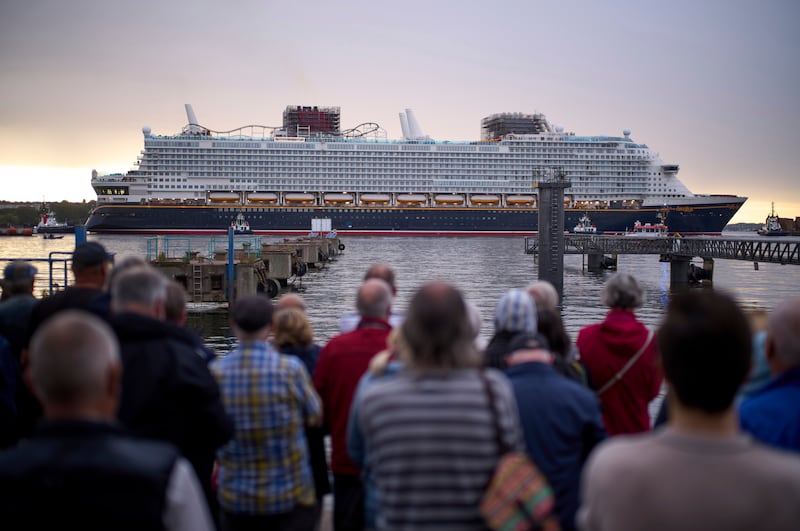
Since 1998, Disney has set sail with Mickey Mouse and friends. Today, it has a fleet of eight megaliners that hold between 2,700 and 6,000 passengers.
Where it sails: The Caribbean and Bahamas, Alaska, Europe, Mexico, and the Pacific Coast, as well as Australia and New Zealand.
Average cost: CR survey respondents reported typically paying around US$2,488 (C$3,453) per adult.
CR’s take: Disney was the next highest-rated cruise line after our top three CR Recommended lines. It earned the highest marks for its customer service and onboard activities and entertainment, as well as cleanliness, cabin comfort, embarkation/disembarkation, accessibility for people with disabilities (another cruise line to receive top marks for this category besides Viking), and family programs and resources.
Of course, the cruises are family-friendly, with onboard entertainment featuring shows like “Aladdin” and “Frozen” and opportunities for kids to visit with Disney characters throughout the cruise, and even to visit Disney-themed private islands. Survey respondents especially liked that Disney cruises had “no gambling” and were “not a drunken party.” Even those who thought the price was high seemed to think it was worth it. “Disney service on the cruise is outstanding, much like their theme parks. The only drawback is cost.” And “Disney cruises are expensive, but the quality and level of pampering is top notch.”
Celebrity
Celebrity Cruises operates a fleet of 16 ships that hold between 2,170 and nearly 4,000 passengers.
Where it sails: The cruise line has a global reach, sailing to destinations that include Alaska, Hawaii, the Caribbean, Bermuda, the Panama Canal, and both U.S. coasts, as well as Asia, Australia, New Zealand, Egypt, and Morocco.
Average cost: CR survey respondents reported typically paying about US$2,394 (C$3,322) per adult.
CR’s take: Passengers gave Celebrity near top-level scores for satisfaction with value for price paid, quality and variety of food, customer service, onboard activities and entertainment, cabin comfort, price transparency, embarkation/disembarkation, accessibility for people with disabilities, and family programs and resources. They gave it top ratings for cleanliness and middling scores for excursions and the usefulness of its mobile app. Typical comments included that Celebrity staff were “always friendly and accommodating” and that the cruise was “upscale for the price.”
Holland America Line
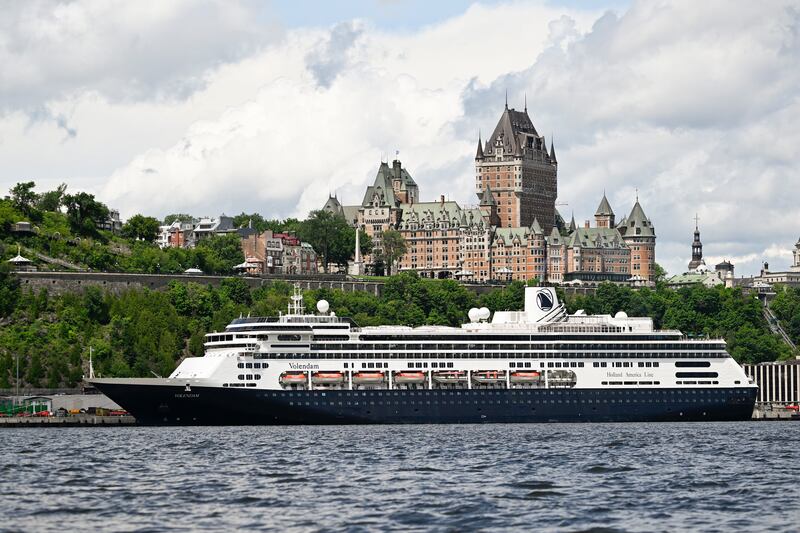
Holland America Line began as a steamship company in the mid-19th century, ferrying passengers (and cargo) between Europe and North America. Today it operates 16 cruise ships that carry between 1,400 and 3,100 passengers.
Where it sails: Holland America sails to a vast array of destinations, including Alaska, the U.S. West Coast, Canada, the Caribbean, Europe, Asia, Australia, New Zealand, and the Panama Canal.
Average cost: CR survey respondents reported paying an average of US$2,947 (C$4,090).
CR’s take: Passengers gave Holland America above-par scores in terms of their satisfaction with the following categories: value for price paid, quality and variety of food, customer service, excursions run by the cruise line itself, onboard activities and entertainment, cabin comfort, price transparency, embarkation/disembarkation, accessibility for people with disabilities, and family programs and resources. They also gave it top marks for cleanliness. Travellers gave Holland its only middling score, for the usefulness of its mobile app.
Survey respondents said that Holland ships were “clean and well run.” Numerous people said they were pleased with the service, that the food was “excellent,” and a few called the cabin service “fantastic.”
By Lisa L. Gill, Consumer Reports Investigative Reporter

