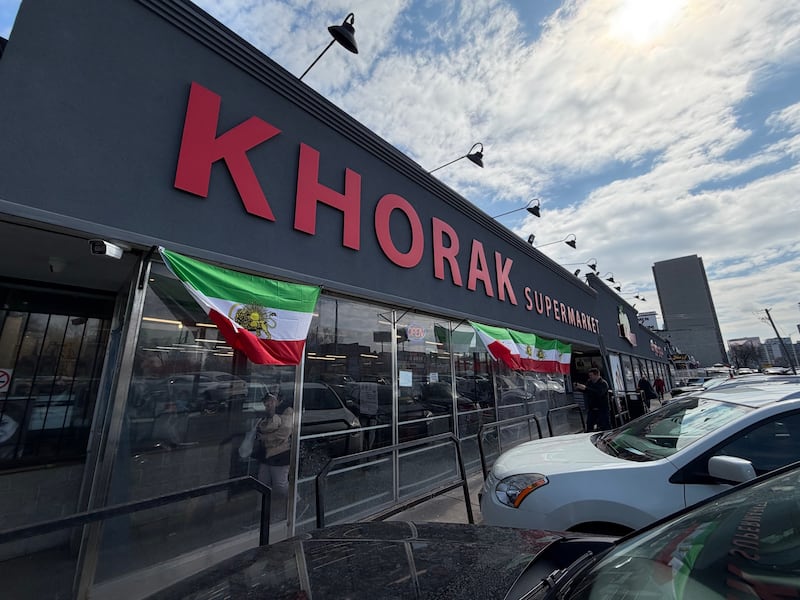
At a large Toronto supermarket known for its Iranian and Middle Eastern staples, shelves remain full of customers’ favourites—at least for now. But the store’s longtime operator warns that could change later this year as the war in the Middle East disrupts some food supplies and drives up global prices.
“We have a warehouse that’s fully stocked for the next three to six months,” says Sam Fayaz who owns Khorak Supermarket. “But our suppliers are running out.”
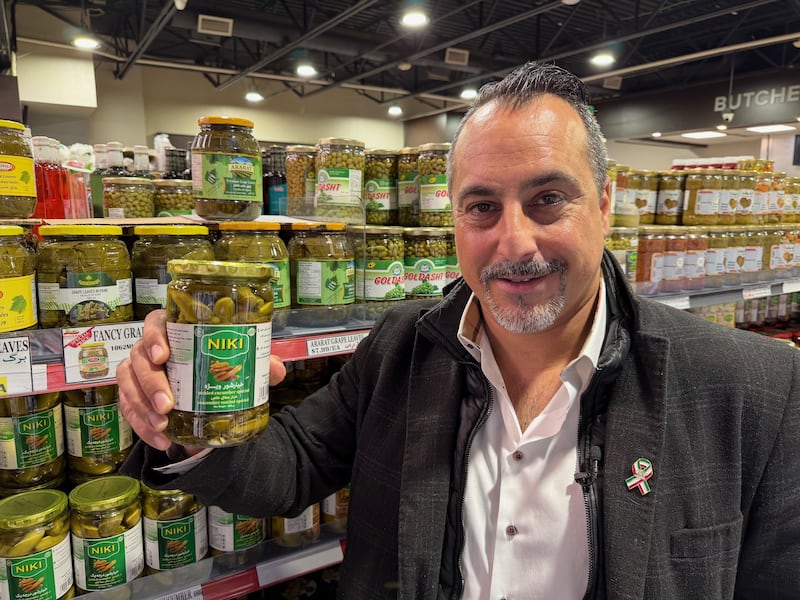
Some of the Iranian products they carry include jarred pickles, dried fruits, nuts and distilled waters. If the war continues for several months, some of those items will no longer be available. Iran barred all such exports earlier this month to protect supplies for it’s own citizens.
“Any food product coming out of Iran will be hard to obtain,” says Fayaz.
“There’s zero production happening. A lot of the producers have closed shop. Nobody’s working. Everybody’s staying at home until this war is over.”
Fayaz says it’s already hard to get Iranian rice.
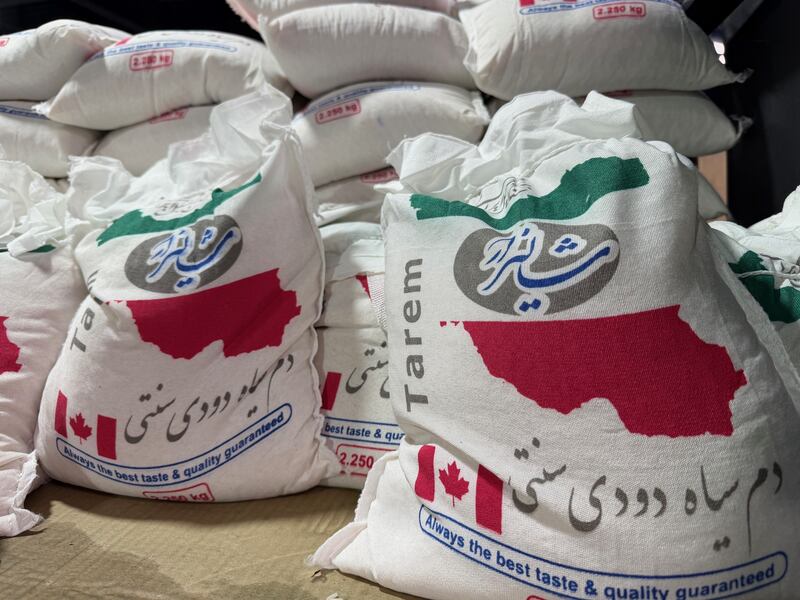
“We’re unable to secure anything,” he says. “I managed to grab a couple of skids here and there from a few different suppliers the last couple of days but they’re pretty much done.”
For nearly four decades, Khorak Supermarket has been a hub for Toronto’s Iranian community. It began as a small corner store opened by Fayaz’s parents who fled the Iran-Iraq war and came to Canada in 1986.
“They started what was once a small little convenience store of approximately 1,500 square feet,” he said. “Over the last 37 years, we managed to build it to what it is today.”
Inside the store this week Persian New Year shoppers have been stocking up on traditional goods. One Iranian-Canadian customer told CTV News she struggled with whether to mark the day at all.
“I was debating to myself, do I celebrate it? But then I realized it’s a cultural thing, and if we don’t, we’re letting the mullahs win,” she says.
When asked if she was concerned about food prices rising because of the conflict, she said it was a “small price to pay” for regime change.
Fayaz says he can source products from countries like Turkiye to replace what runs out from Iran. But he says suppliers are warning him products from countries around the Middle East will get more expensive because of the rising cost of fertilizer, which is usually shipped through the Strait of Hormuz. The surge in oil prices is also driving up shipping costs.
“It’s an economic ripple effect that’s taking place, and we’re going to have to wait and see how that’s going to play out,” says Fayaz.
He gets items like dates from Saudi Arabia and tahini from Lebanon. Those costs could go up.
Fayaz also noted that some of the plastic packaging his products come in will get more expensive because they’re made from petroleum products.
He says suppliers are calling for prices to increase but for now, he insists he’s holding the line on them.
“We’re prepared for the next six months of coverage, so there won’t be any price increases,” he said. “Our customers are the most important people.”
Still, he acknowledges what’s coming. “Within the next three to six months, we’re going to, unfortunately, see rising costs of everything.”
“Suppliers … are telling us to brace ourselves for the worst.”

