Farmers around the world are feeling the squeeze of the Iran war. Gas prices have shot up and fertilizer supplies are waning due to Tehran’s near shutdown of the Strait of Hormuz in retaliation for U.S. and Israeli bombing.
Iran is seriously limiting shipments through the Strait of Hormuz, a narrow passage that usually handles about a fifth of the world’s oil shipments and nearly a third of global fertilizer trade.
Canadian farmers are also bracing for higher costs and warning consumers could soon feel the impact at the checkout line.
In an interview with CTV News Channel, family farmer, advocate and 33SEVEN founder Derryn Shrosbree said rising input costs are already affecting producers, with diesel emerging as the most immediate concern.
“Farmers use a ton of diesel and obviously lots and lots of fertilizer as inputs,” Shrosbree said.
“So currently what we’re seeing is, you know, there’s a lot of inputs that have increased in price, so dry nitrogen, urea, and other phosphates and sulfur and other chemicals that we need for farming.”
While fertilizer costs tend to have a longer-term effect on food prices, Shrosbree said the spike in diesel prices could have a more immediate and significant impact.
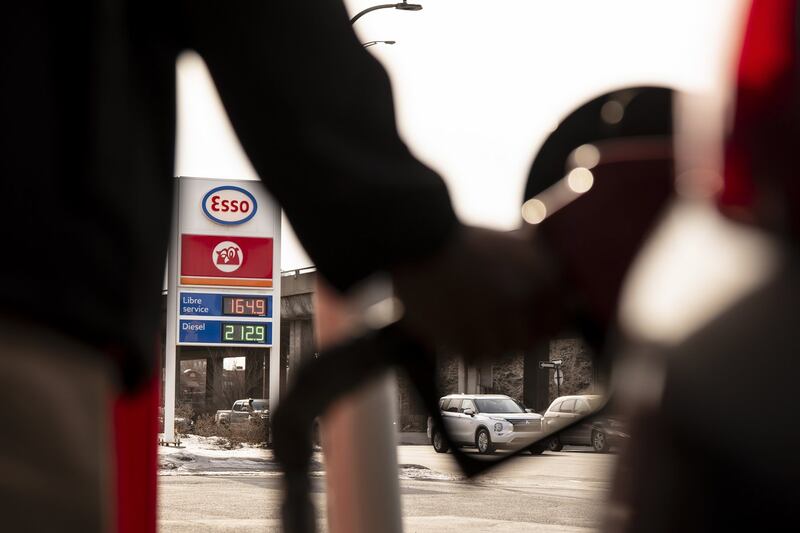
“What’s going to absolutely spike the price of food is diesel,” he said. “So diesel has doubled this year.”
That increase affects the entire supply chain, from production to transportation, he added.
‘Expect extremely high grocery prices by September’
“If diesel prices stay high, expect your grocery bill to go up by 25 to 50 per cent,” Shrosbree said.
“So that is going to be a very, very tricky situation for a lot of Canadians to, you know, actually feed their families.”
While many farmers have enough fuel and fertilizer stockpiled to get crops planted this season, he said the real challenge will come later in the year during harvest.
“If this continues for harvest, harvest is going to be very bad because combine harvesters use a lot of diesel, and if diesel is double the price, we are going to get absolutely wrecked,” Shrosbree said.
He added that those higher costs will ultimately be passed on to consumers.
“If we don’t get relief from the government or any sort of help there, expect extremely high grocery prices by September,” he said. “So by Labour Day, you know, if, if the shenanigans continue, we are going to be in a tricky situation.”
Pressure is already being felt on farms
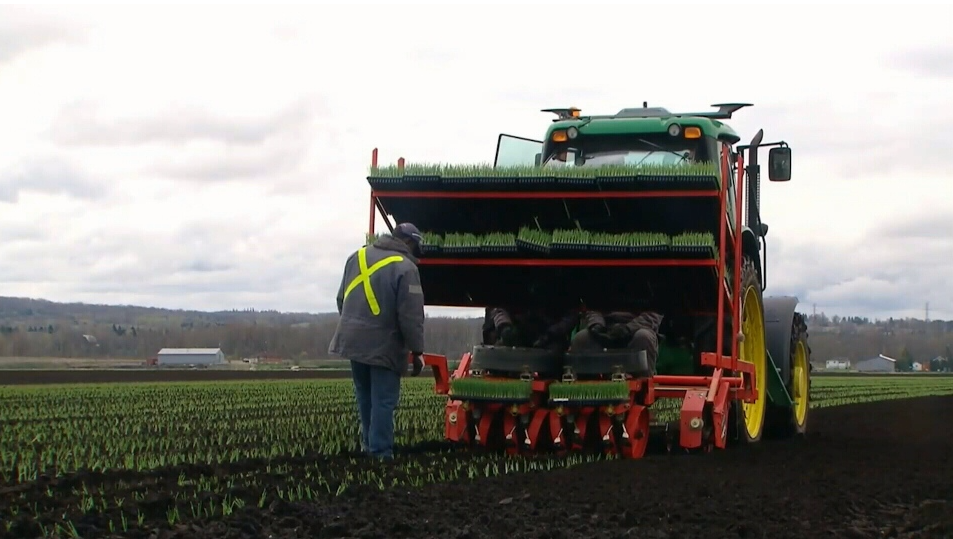
Shrosbree, who grows mushrooms and vegetables in southwestern Ontario and delivers to restaurants in Toronto, said his own transportation costs have surged.
“My diesel bill for my truck is doubled,” he said. “So where does that cost go?”
He said farmers have limited ability to pass those increases on to buyers.
“I can’t push my price onto my customer, because they’re at the maximum that people will pay for their dinners in the restaurants,” he said. “So what gives?”
Without further support, he warned, the situation could worsen quickly.
“If diesel prices don’t come down within 3 months, I think there’s going to be some tricky conversations ahead of us,” Shrosbree said.
The federal government has taken some steps to provide relief, including increasing limits on farm support programs, he noted.
“Thankfully they have increased the limit on the input program up to 500,000 for some relief,” Shrosbree said.
However, he suggested more immediate action, particularly on fuel costs, could make a difference.
“If they could maybe help at the pump, that would be great, because obviously there’s a gas tax, which is extremely high,” he said. “If they could lower the gas tax, that would not only help the truckers and all those good folks, but the farmers would be directly impacted.”
With files from the Associated Press

