Watch live coverage of the Artemis II launch on CTVNews.ca, the CTV News App and CTV News Channel at 6:24 p.m. ET on Wednesday, April 1. You can also subscribe and watch on the CTV News YouTube Channel.
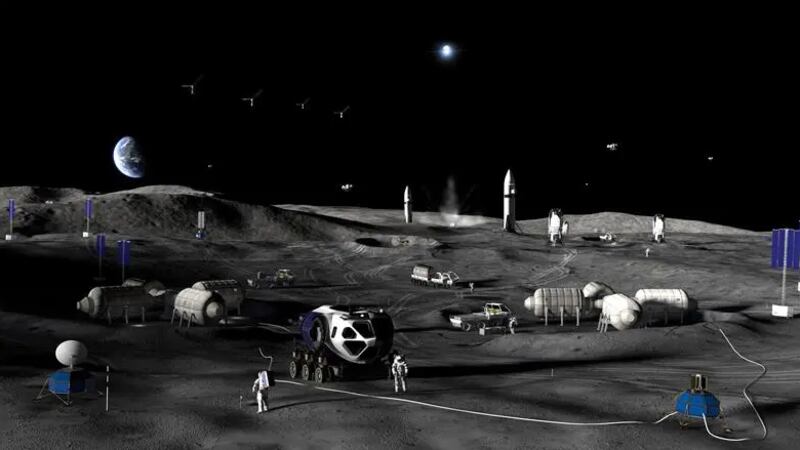
MERRITT ISLAND, Fla. - NASA has ambitious plans for space exploration, including annual missions to the moon by 2028 and the creation of a moon base by 2030.
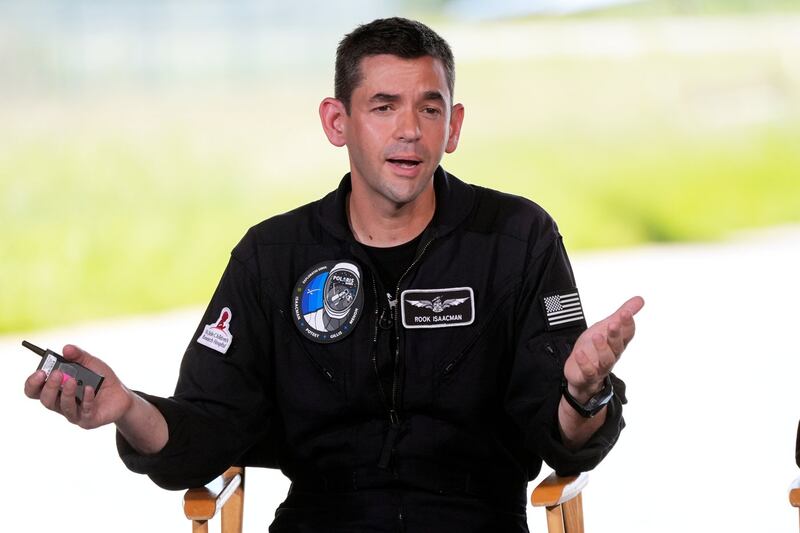
Leading the charge is Jared Isaacman, the NASA administrator who last week announced a reset of the Artemis program with a focus on building a sustained presence on the moon. The reset will focus on habitats, power systems and other infrastructure to support human life.
“I think (Artemis II) is just the opening chapter in the grand story of astronauts going to and from the moon with great frequency,” Isaacman told CTV News at the Kennedy Space Centre on Tuesday.
“We talk about how we’re picking up from Apollo 17, but we’re not doing it just for the flags and footprints in the rocks, but to build the enduring presence, to build the moon base.”
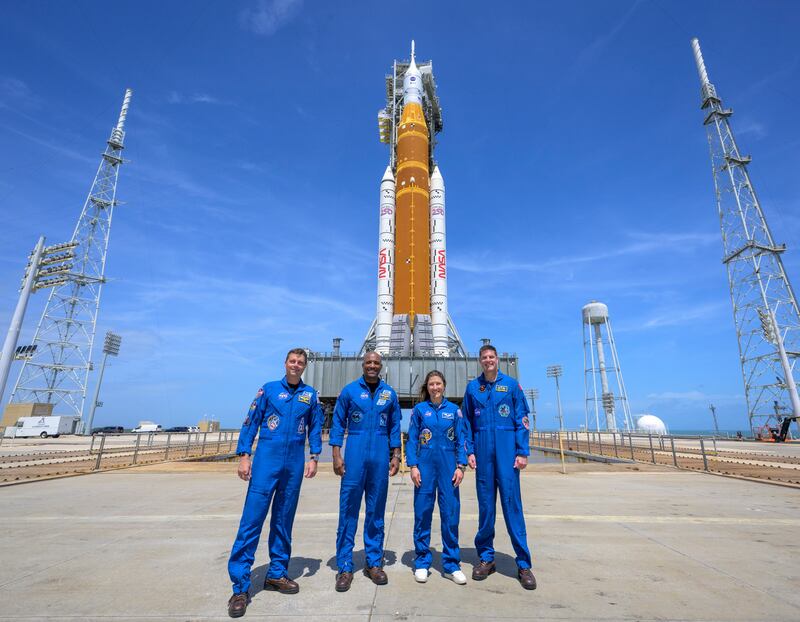
The Artemis II will be the first crewed lunar mission since Apollo 17 in 1972 and includes Canadian Space Agency (CSA) Astronaut Jeremy Hansen, who is set to become the first Canadian and first non-American to travel to deep space. The CSA secured his seat on the Artemis II as part of a commitment to build the Canadarm3 robotic arm. NASA had intended to use the Canadarm3 to help build the Lunar Gateway, a space station orbiting the moon.
While that program is on pause, the Canadian Space Agency said in a statement “Canada continues discussions with NASA on this change and approach and will pursue collaboration with Canadian industry and international partners to determine the next steps.”
“Canada is leading with robotic expertise for our ambitions on the lunar surface,” Isaacman said of Canada’s role in future space travel.
“It’s exciting to think about the potential when you’re not just going to the moon for a couple of days, but actually trying to create an enduring presence for its scientific and economic potential.”
Beginning next year, Isaacman says NASA has plans for nearly monthly uncrewed robotic landings to the moon, which will require knowledge and equipment from around the world.
“We could raid the pantry at every NASA centre and we’re not going to have enough science instruments,” he said, noting the role partners around the world will play in this next phase of space exploration.
“Our partners in Canada, in Europe, the Middle East… you’re going to have students in university working on scientific instruments that are going to someday be on the moon.”
Canada lags its peers when it comes to spending on space technology, ranking last in public spending among 10 OECD Space Forum Members. New investments have recently been announced though, including $200 million for a Nova Scotia spaceport to enable sovereign satellite launches. Proponents hope these investments will grow.
“When we do grand undertakings like going to the moon, we never do it alone,” Isaacman said. “We’ve got a lot of great partners including the Canadian Space Agency.”
- RELATED STORY: Artemis II countdown to liftoff underway