‘They are so proud of you’: Jeremy Hansen and Trump speak from space
Why the Artemis II lunar flyby matters: An astronomer explains
'Ten times as good as Space Mountain': Former Canadian astronaut on Artemis II crew's re-entry
CTV National News: Artemis II ventures farther into space than ever before
CTV National News: Dan Riskin on Artemis II's emotional return to moon’s far side after decades
As the Artemis II spacecraft emerged from the far side of the moon, its crew began radioing Earth to describe what they had just seen.
“It’s extraordinary to be on the far side of the moon … looking back at the Earth,” Canadian astronaut Jeremy Hansen said on Monday before communication was cut.
0 of 23
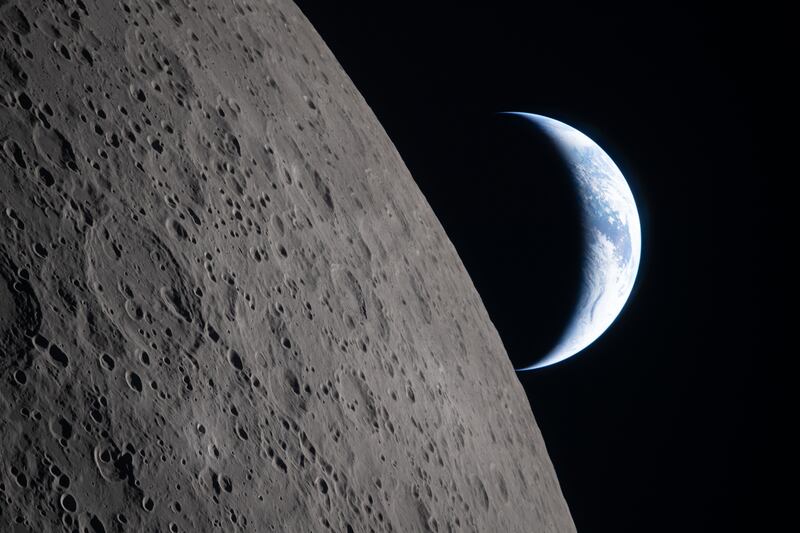
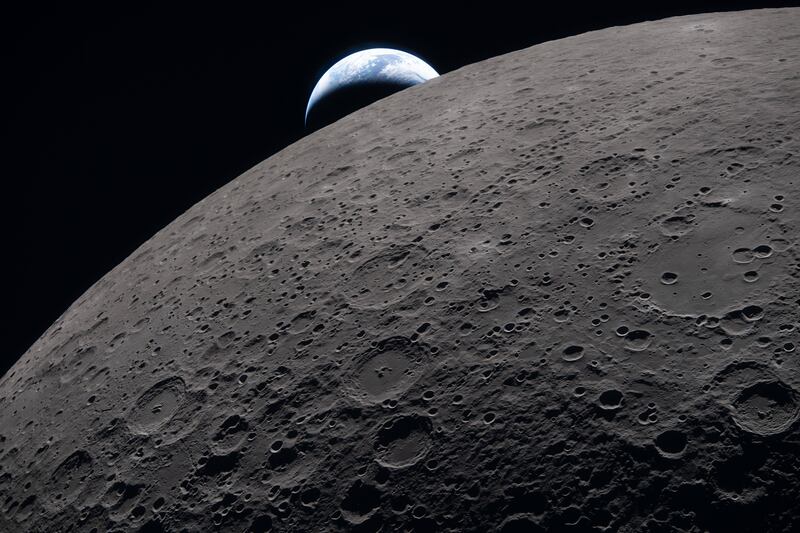
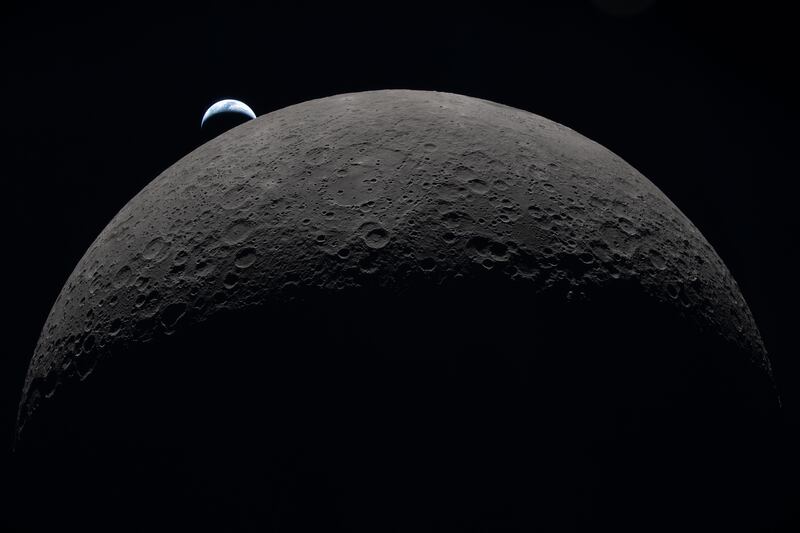
In this image provided by NASA, the Artemis II crew captured this view as the Earth sets behind the Moon during a lunar flyby, Monday, April 6, 2026. (NASA via AP)
In this image provided by NASA, the Artemis II crew captured this view as the Earth sets behind the Moon during a lunar flyby, Monday, April 6, 2026. (NASA via AP)
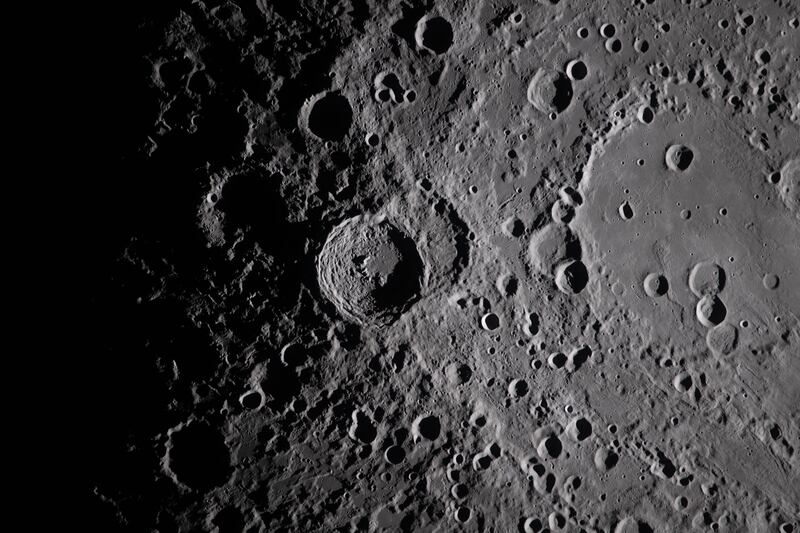
In this image provided by NASA, the Artemis II crew captured this image of the Vavilov Crater on the Moon during a lunar flyby, Monday, April 6, 2026. (NASA via AP)
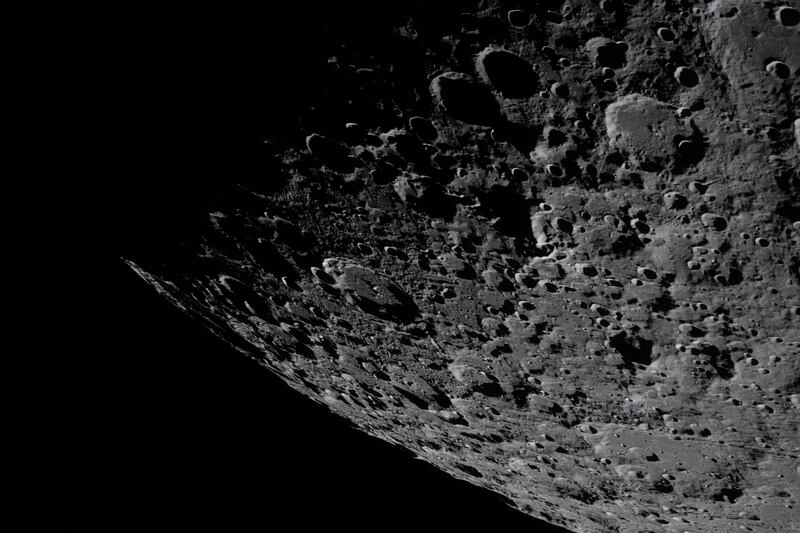
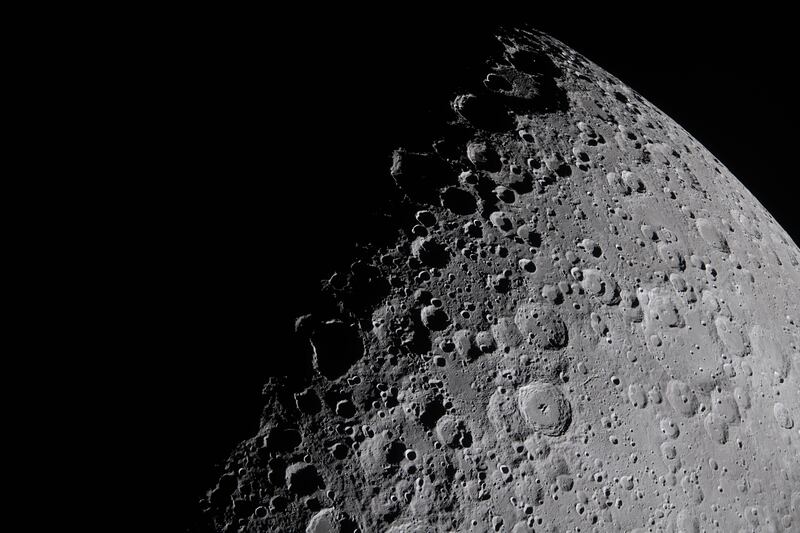
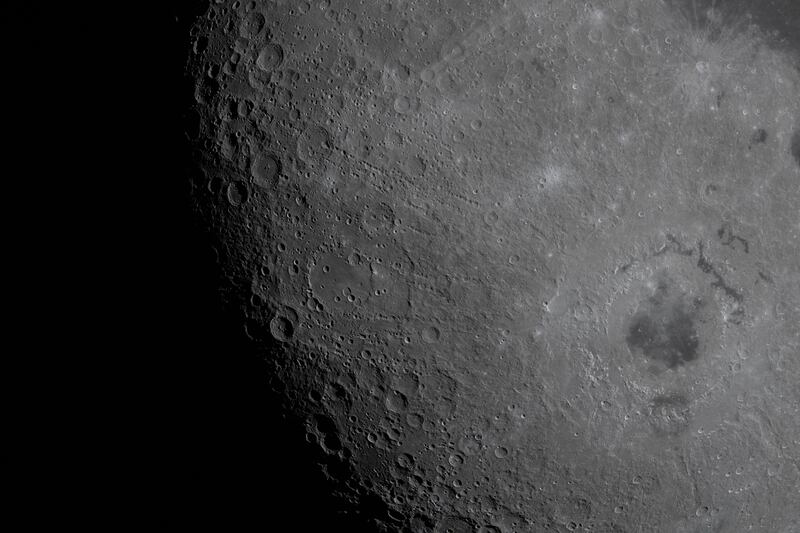
In this image provided by NASA, the Artemis II crew captured this image of the heavily cratered terrain of the eastern edge of the South Pole-Aitken basin of the Moon with the shadowed terminator – the boundary between lunar day and night during a lunar flyby, Monday, April 6, 2026. (NASA via AP)
In this image provided by NASA, the Artemis II crew captured this image of a portion of the Moon coming into view along the terminator, the boundary between lunar day and night, during a lunar flyby, Monday, April 6, 2026. (NASA via AP)
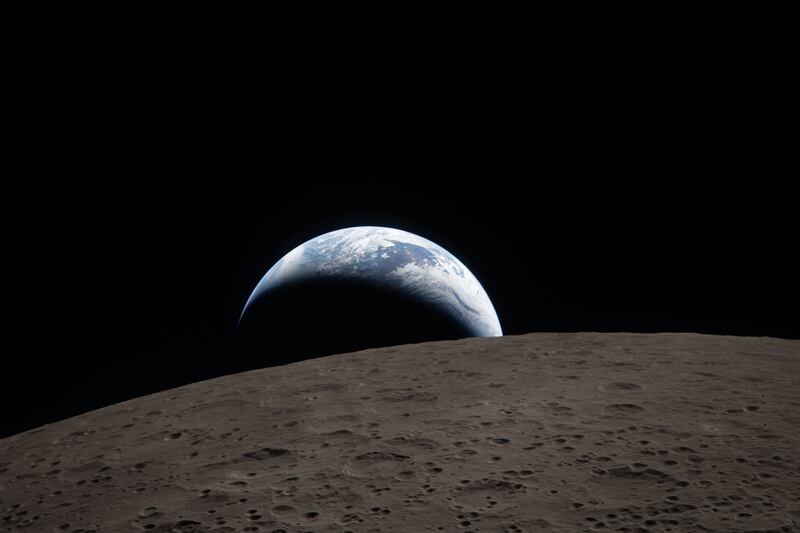
In this image provided by NASA, the Artemis II crew captured this view as the Earth moves out from behind the Moon, top, during a lunar flyby, Monday, April 6, 2026. (NASA via AP)
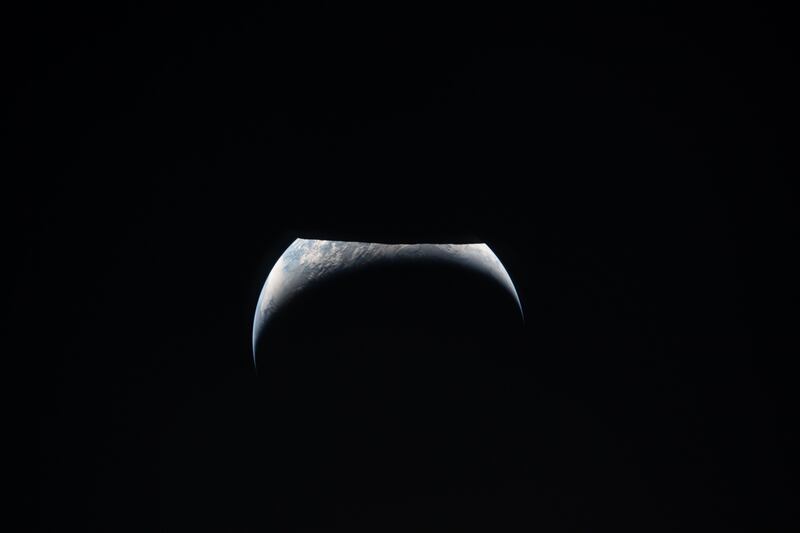
In this handout image provided by NASA, Earthset captured through the Orion spacecraft window at 6:41 p.m. EDT, April 6, 2026, during the Artemis II crew’s flyby of the Moon. (NASA via Getty Images)
In this handout image provided by NASA, Earth sets at 6:41 p.m. EDT, April 6, 2026, over the Moon’s curved limb in this photo captured by the Artemis II crew during their journey around the far side of the Moon. (NASA via Getty Images)
In this image provided by NASA, the Artemis II crew captured this image of the Orientale basin, a round crater with a black patch in the center, on the Moon during a lunar flyby, Monday, April 6, 2026. (NASA via AP)
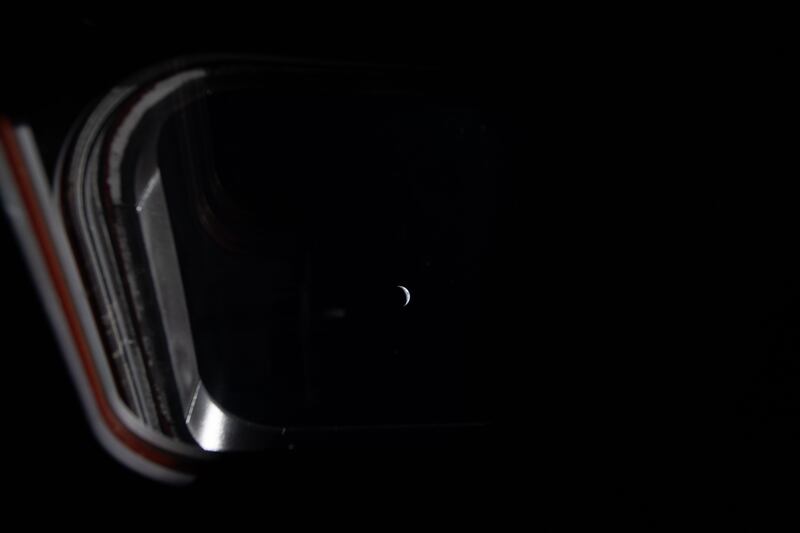
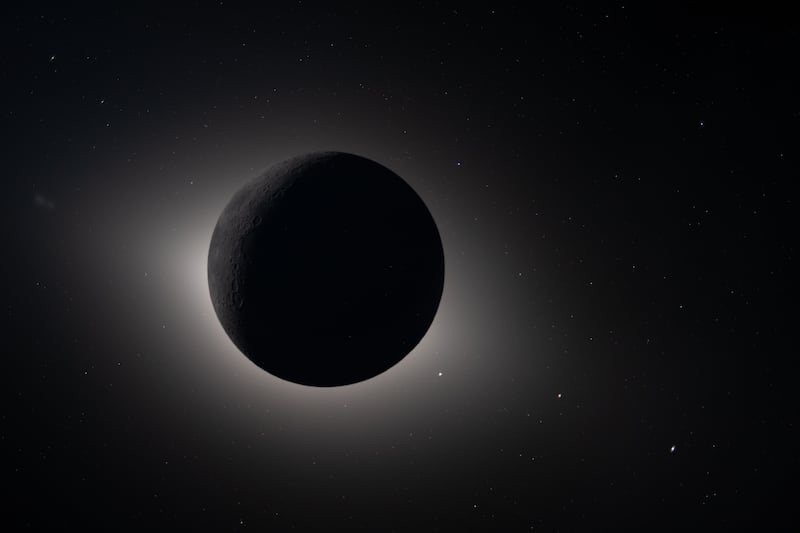
In this handout image provided by NASA, Captured by the Artemis II crew during their lunar flyby on April 6, 2026, this image shows the Moon fully eclipsing the Sun. From the crew’s perspective, the Moon appears large enough to completely block the Sun, creating nearly 54 minutes of totality and extending the view far beyond what is possible from Earth. (NASA via Getty Images)
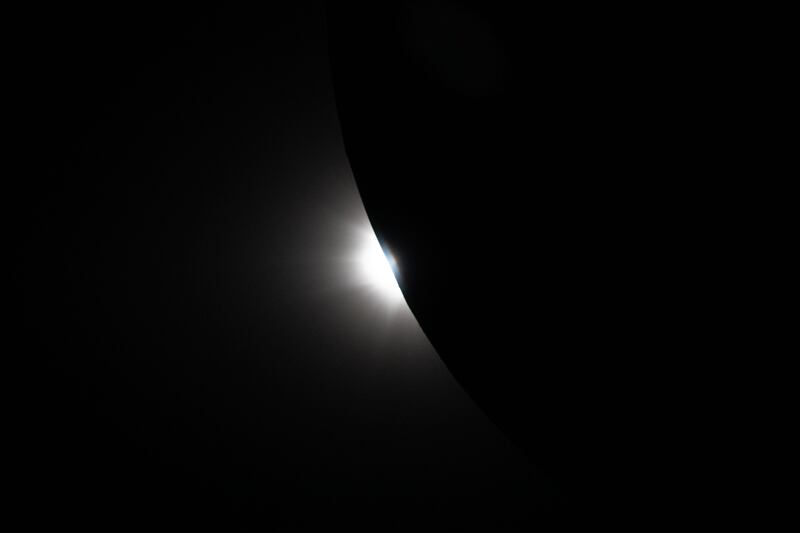
In this image provided by NASA, the Artemis II crew captured this image of the Sun beginning to peek out from behind the Moon as an eclipse transitions out of totality during a lunar flyby, Monday, April 6, 2026. (NASA via AP)
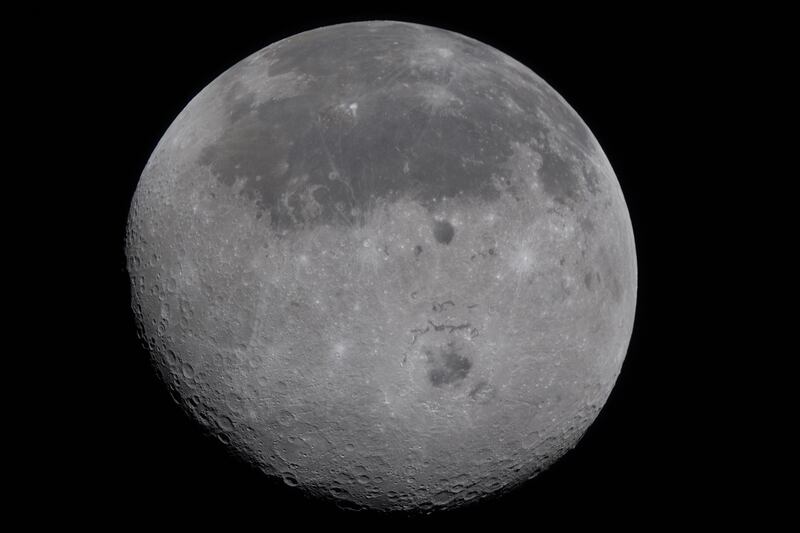
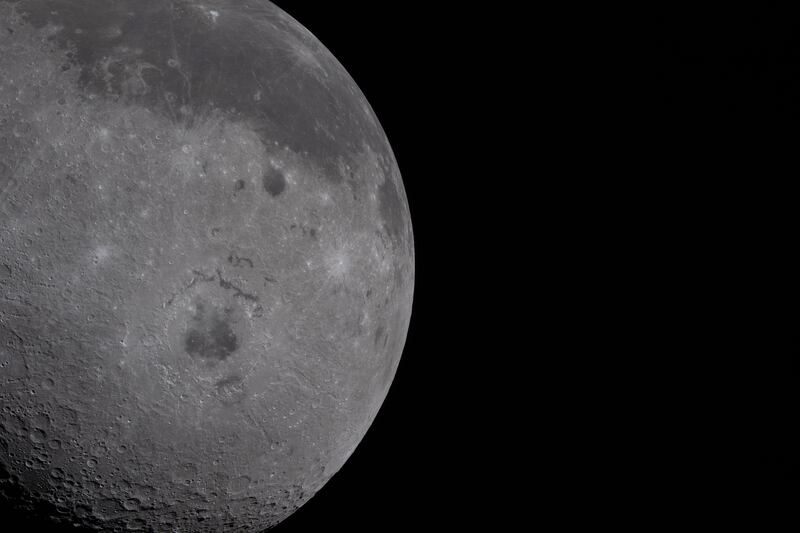
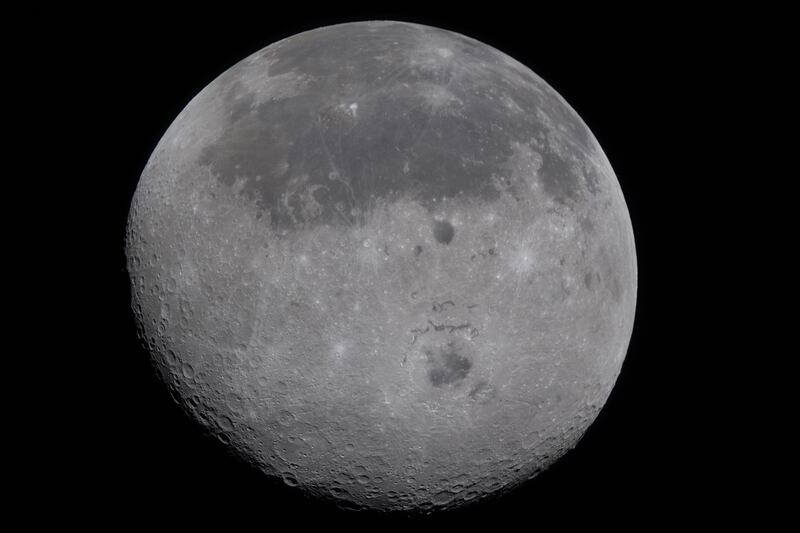
This image provided by NASA Monday, April 6, 2026, shows the Moon, the near side (the hemisphere we see from Earth) visible at the top half of the disk, identifiable by the dark splotches. At the lower center is Orientale basin, a nearly 600-mile-wide crater that straddles the Moon’s near and far sides. Everything below the crater is the far side. (NASA via AP)
In this image provided by NASA, the Artemis II crew captured this image of the Orientale basin, a round crater with a black patch in the center, on the Moon during a lunar flyby, Monday, April 6, 2026. (NASA via AP)
In this image provided by NASA, the Artemis II crew captured this image of the Orientale basin, a round crater with a black patch in the center, on the Moon during a lunar flyby, Monday, April 6, 2026. (NASA via AP)
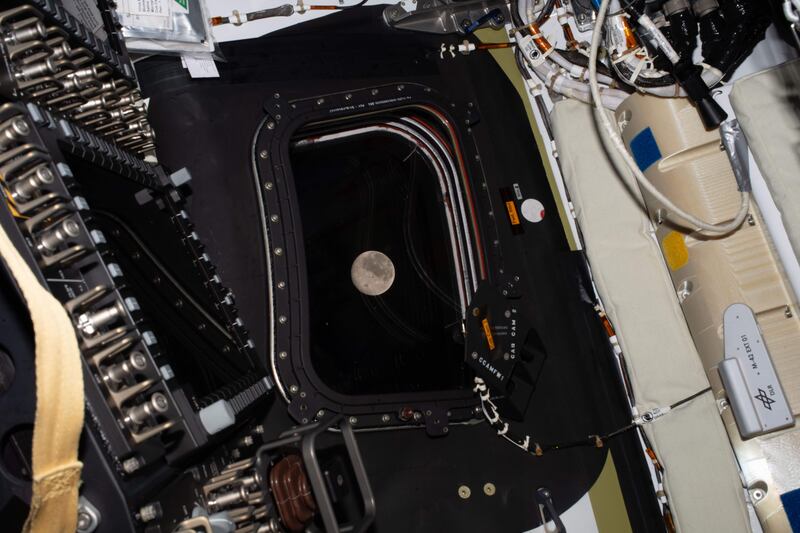
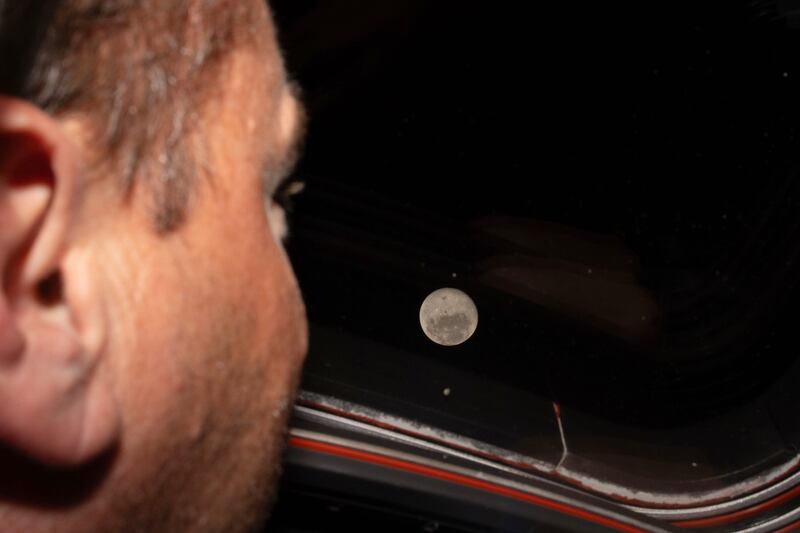
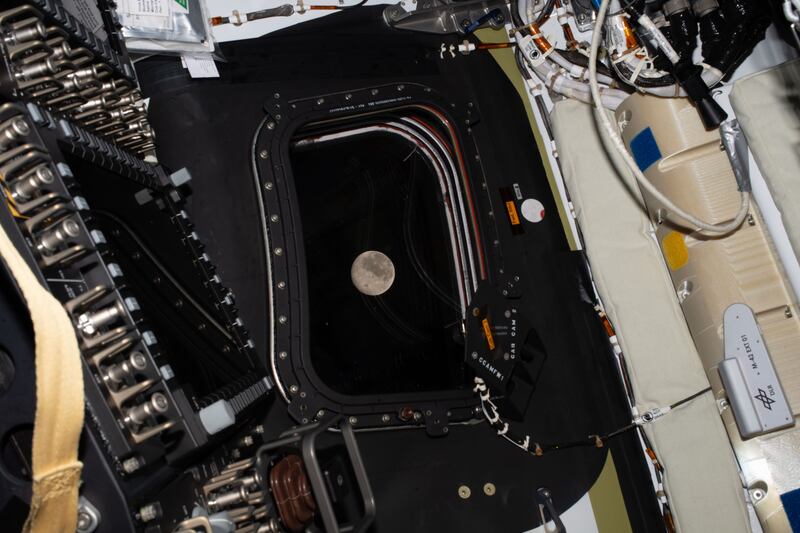
In this photo provided by NASA, the Moon is seen in the window of the Orion spacecraft, photo taken by The Artemis II crew, at the end of day 5 of journey to the Moon on Monday, April 6, 2026. (NASA via AP)
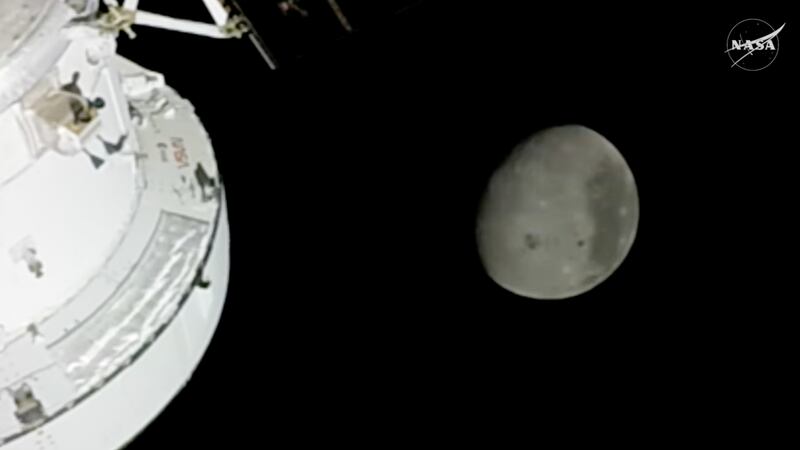
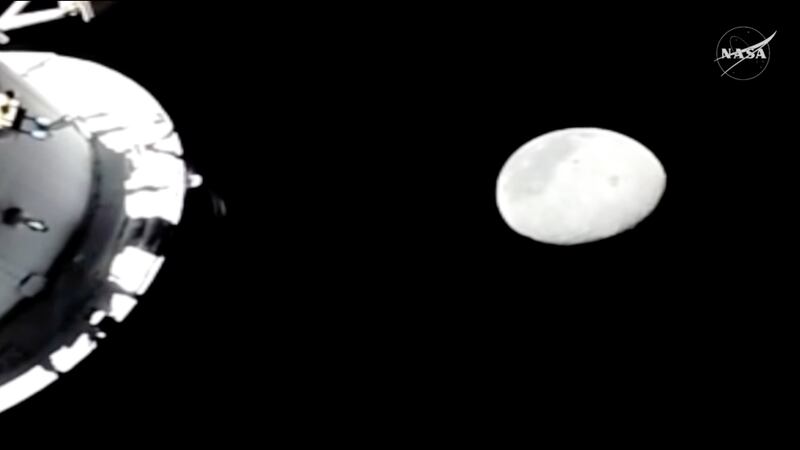
In this image from video provided by NASA, the Moon is seen from a camera outside the Orion Spacecraft after the Artemis II astronauts surpassed the farthest distance ever travelled by humans from Earth, Monday, April 6, 2026. (NASA via AP)
In this image from video provided by NASA, the Moon is seen from a camera outside the Orion Spacecraft as the Artemis II astronauts acknowledge the Apollo 13 astronauts as the crew and spacecraft surpass the farthest distance ever travelled by humans from Earth, Monday, April 6, 2026. (NASA via AP)
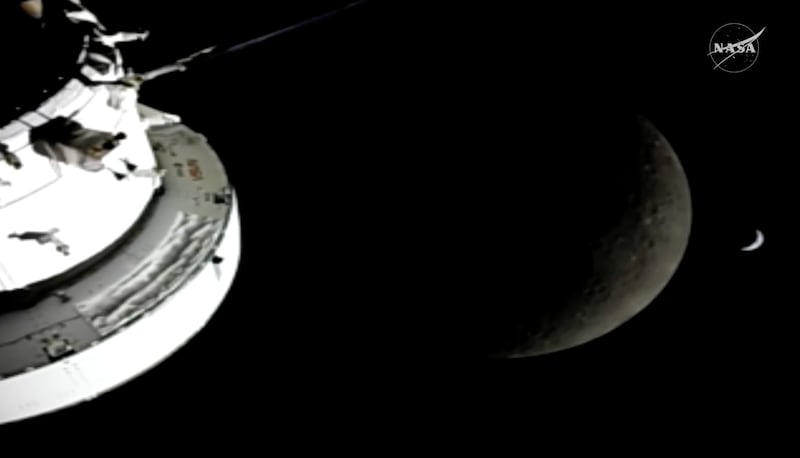
In this image from video provided by NASA, the Orion Spacecraft, the Earth and the Moon are seen from a camera as the Artemis II crew and spacecraft travel farther into Space, Monday, April 6, 2026. (NASA via AP)
This photo provided by NASA shows the Earth seen from a window on the Orion spacecraft Integrity during the Artemis II mission, Sunday, April 5, 2026. (NASA via AP)
This image provided by NASA Monday, April 6, 2026, shows the Moon, the near side (the hemisphere we see from Earth) visible at the top half of the disk, identifiable by the dark splotches. At the lower center is Orientale basin, a nearly 600-mile-wide crater that straddles the Moon’s near and far sides. Everything below the crater is the far side. (NASA via AP)
This image provided by NASA on Monday, April 6, 2026, shows a view of the moon taken by the Artemis II crew before going to sleep on flight day 5. (NASA via AP)
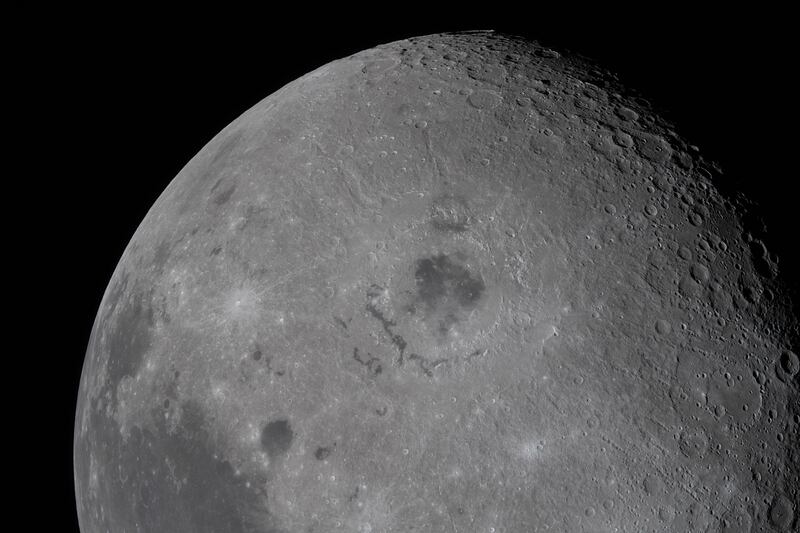
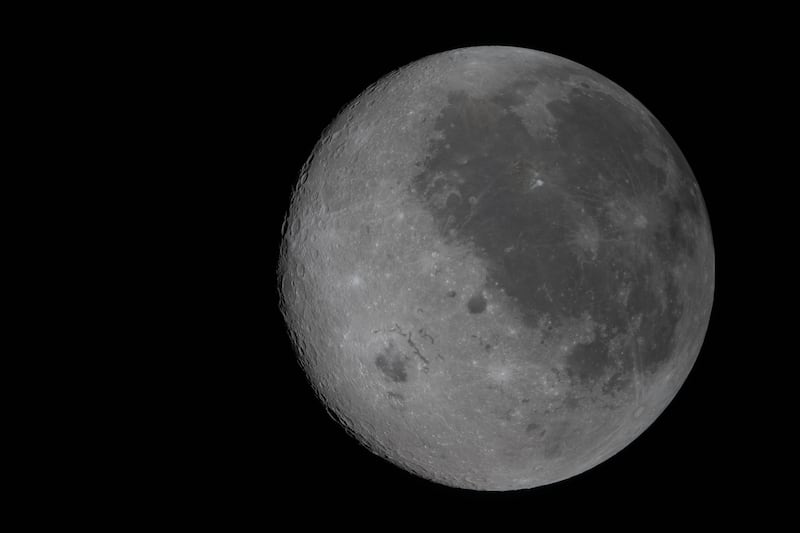
This image provided by NASA Monday, April 6, 2026, shows the Moon, the near side (the hemisphere we see from Earth) visible at the right side of the disk, identifiable by the dark splotches. At lower left is Orientale basin, a nearly 600-mile-wide crater that straddles the Moon’s near and far sides. Everything to the left of the crater is the far side. (NASA via AP)
In this photo provided by NASA, Artemis II commander and NASA astronaut Reid Wiseman looks out one of the Orion spacecraft's main cabin windows at the Moon ahead of the crew's lunar flyby on April 6, 2026. (NASA via AP)
Due to a phenomenon known as tidal locking, only one side of the moon is visible from our planet. The first images of the moon’s far side were provided by a Soviet probe in 1959. Before Artemis, the only people to ever see the moon’s far side with their own eyes were American astronauts during the Apollo era between 1968 and 1972. Despite receiving sunlight, the largely unseen lunar hemisphere is also commonly known as the dark side of the moon.
As the Artemis II capsule slipped behind the moon to its far side, communication with Earth was severed for approximately 40 minutes.
“It is blowing my mind what you can see with the naked eye from the moon right now,” Hansen said before communication was cut. “It is just unbelievable.”
The astronauts noted that newer craters on the lunar surface appeared brighter than their ancient neighbours.
“There’s a couple that really stand out,” NASA astronaut Christina Koch explained. “What it really looks like is a lampshade with tiny pinprick holes and the light shining through.”
The crews’ descriptions included several impact flashes as space debris struck the lunar surface. They also became the first humans to directly observe what’s known as the Orientale Basin, which is approximately 950 kilometres wide and features three concentric impact rings, making it resemble a bullseye.
Just as the crew capsule was about to go behind the moon, astronauts captured a dramatic “Earthset” image of the Earth dipping below the lunar horizon. The photograph comes nearly six decades after an Apollo 8 astronaut took the iconic “Earthrise” image of our planet rising above the moon.
EARTHSET. April 6, 2026.
Humanity, from the other side. First photo from the far side of the Moon. Captured from Orion as Earth dips beyond the lunar horizon. Photo: NASA pic.twitter.com/ZEBTQA85TY
Astronauts also witnessed a solar eclipse. As the moon blocked their view of the sun, they were surprised with how well they could see the lunar surface reflected in light from Earth – a phenomenon known as “earthshine.”
“I think it’s challenging to capture what we’re seeing — we’re just not picking up on the cameras,” Artemis astronaut Victor Glover said. “It is the strangest-looking thing, that you can see so much on the surface.”
NASA Artemis Moonshot In this photo provided by NASA, the Moon is seen in the window of the Orion spacecraft, photo taken by The Artemis II crew, at the end of day 5 of journey to the Moon on Monday, April 6, 2026. (NASA via AP)
The Artemis crew also provided new descriptions of the moon’s familiar near side. Artemis astronauts described seeing brown and greenish hues.
“Something I just heard from the window team is ‘the more I look at the moon, the browner and browner it looks,’” Koch said as her colleagues peered at the lunar surface.
Jesse Rogerson, an astronomer and assistant professor at York University, says such colours can help us better understand the moon’s evolution.
“This is something I was not expecting, because we look at the moon every night and we see it as greys and whites and blacks,” Rogerson told CTV’s Your Morning on Tuesday. “We don’t see the greens and the browns that they were reporting.”
Artemis II Launches Manned Test Flight Around The Moon In this handout image provided by NASA, Captured by the Artemis II crew during their lunar flyby on April 6, 2026, this image shows the Moon fully eclipsing the Sun. From the crew’s perspective, the Moon appears large enough to completely block the Sun, creating nearly 54 minutes of totality and extending the view far beyond what is possible from Earth. (NASA via Getty Images)