


Canadian astronaut Jeremy Hansen and his crewmates answered questions Thursday about space travel, teamwork and the mission that captured Earth’s attention: Artemis II.
The four-person squad – Hansen, Reid Wiseman, Victor Glover, and Christina Koch – returned to Earth April 10 following a 10-day mission around the moon, going deeper into space than any humans before them.
Here are some of the highlights:
What did they take with them?
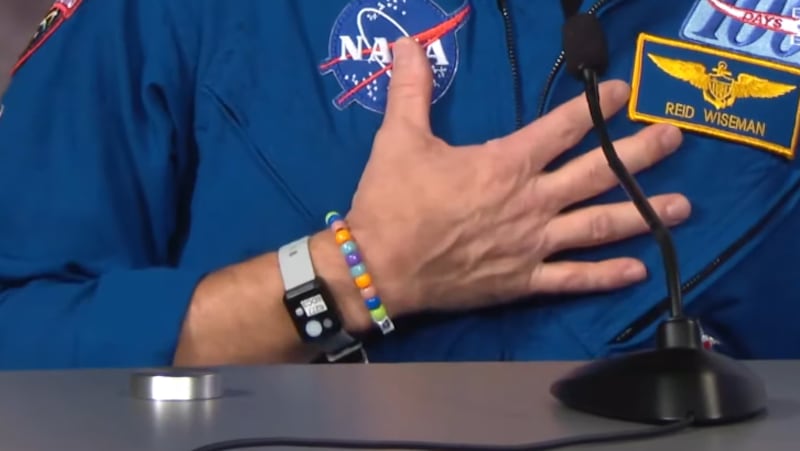
Wiseman said he brought a bracelet his daughter made along with him on the mission. He didn’t plan on it, he added, but grabbed it on a whim as he was leaving.
It became “the absolute most important thing” he had.
One image to describe the mission
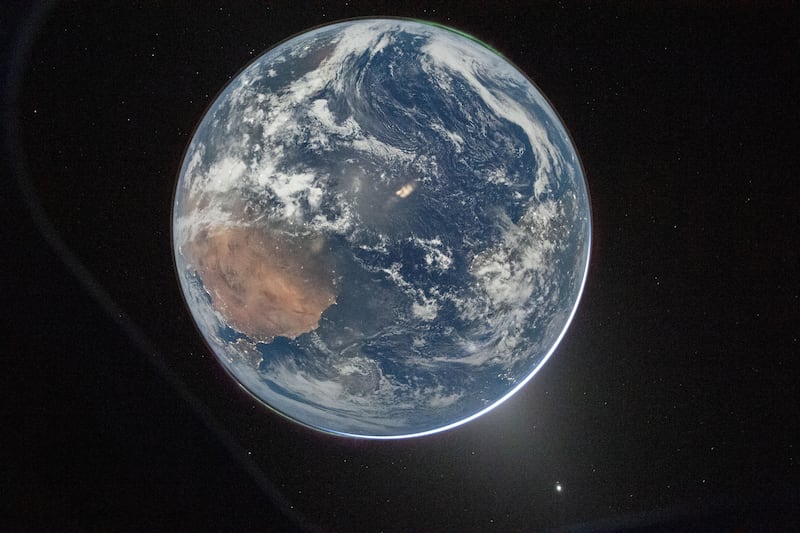
Question: If the U.S. Postal Service wanted to issue a stamp based on just one photograph from your mission, what one photo would you choose?
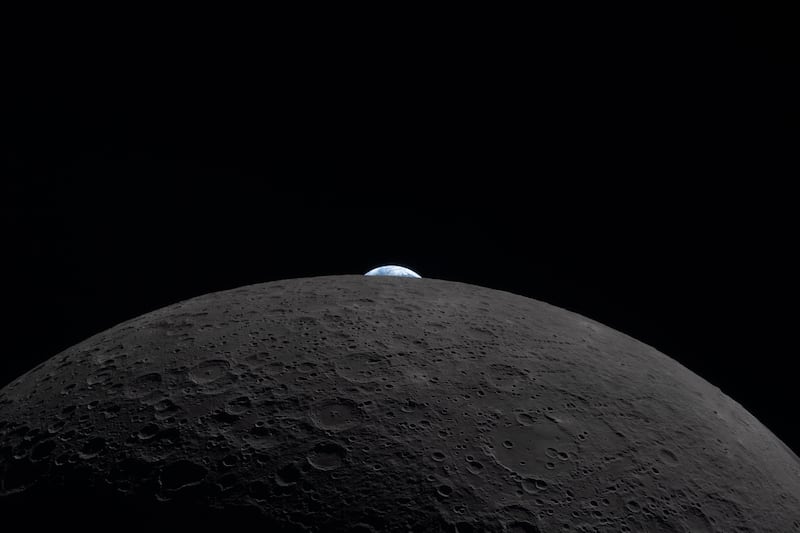
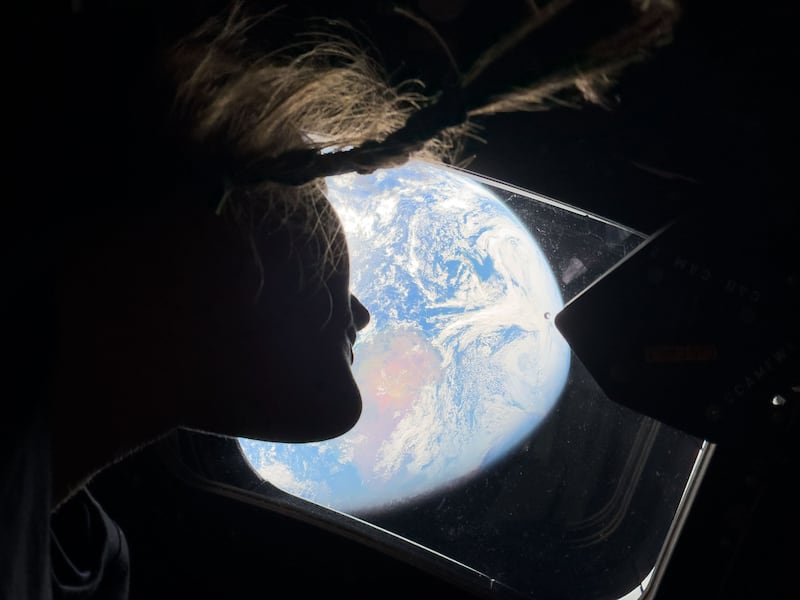
Glover said the first image that popped into his head was the “picture of the earth as we started to go farther from the earth, and we got this beautiful one where you can see the Northern Lights.”
First woman to travel to the moon
When asked if she has any advice for the first woman who gets selected to walk on the moon, Koch said the experience will be “humbling.”
“When the world tries to make the accomplishment something different than what it really is, which is a team accomplishment, the things that you say will reflect how you really see it. It’s beautiful.”
What story should Hollywood tell?
Question: What part of this mission tells the story that Hollywood needs to get right?
Glover says “a movie wouldn’t do it justice. It has to be a series. There’s so much to talk about.”
Heat shield
Question: How did the heat shield do?
Wiseman said that he’s still waiting on NASA data, which will examine “every atom.”
Lunar landing ‘doable soon’
Question: How optimistic are you that humans could actually establish a lasting presence on the moon?
Wiseman said, “If we had a first flight lander on that thing,” his crewmates would have tried to land it on the lunar surface.
“It’s not the leap I thought it was… it’s absolutely doable, and it’s doable soon.”
Mental health resources
Glover said professional mental health help was important to the mission.
“We have a team of operational psychologists and psychiatrists that help us skill-up to be ready to accomplish things like this and so we did not just do that on our own.”
Advice for youth
Asked about their advice for young people, Hansen advised: “Don’t do it alone.”
“You need the support of others to do big things.”
‘It was glory’
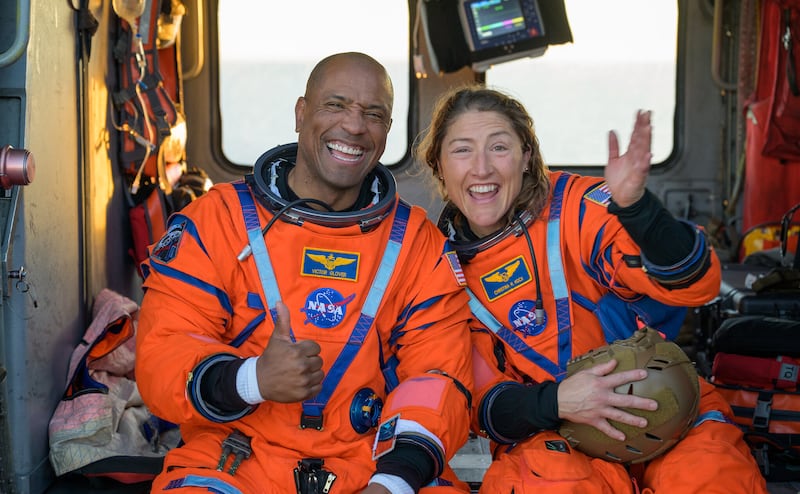
Question: What were you feeling when you come back?
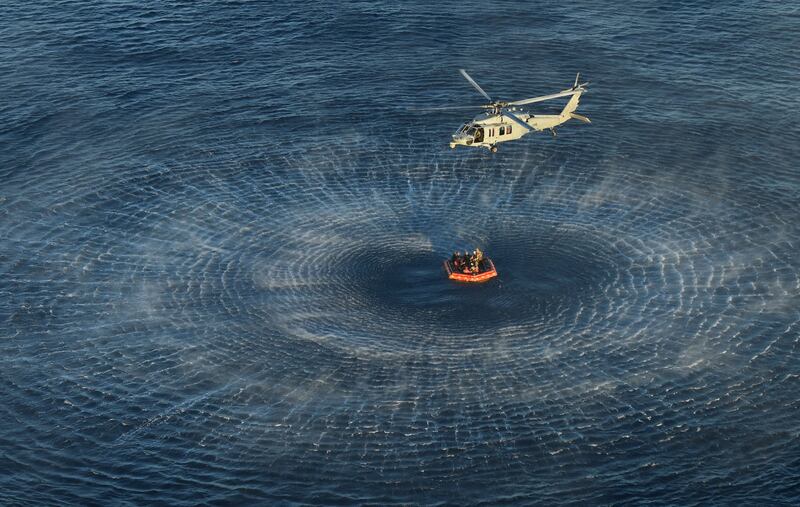
Glover said splashdown “was a very intense 13 minutes and 36 seconds.”
“I’ve never been BASE jumping, I’ve never been skydiving, but [it’s comparable to] if you dove off a skydiver, a skyscraper backwards.“ Glover said the moment “was glory.”
Physical, mental changes
Question: Any physical or psychological changes?
There were no major changes physically, said Hansen in French. As for his psychology, he said, his trip to space only reinforced his belief in the need for collaboration back on Earth.
‘There was an impact’
Koch told the conference that her family felt the impact of the mission. During a video call on Artemis with her husband, he said “No, really, you’ve made a difference.”
Koch said “it brought tears to my eyes.”
She told her husband “that’s all we ever wanted.”
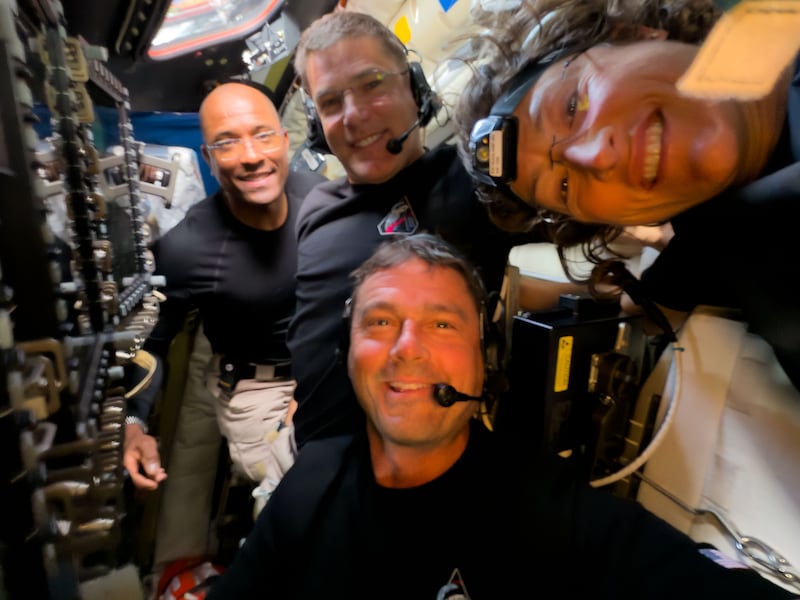
‘I thought I was floating’
Koch said, since returning to Earth, she’s been tired. “I think our bodies are ready to accept any time zone of sleep that we’re offered.”
She added that every time she’s woken in her first days back, she thought she was floating.
‘Mind-blowing’
Question: What’s one thing you could not convey with words or pictures?
“I kept seeing this depth to the galaxy that I just have not experienced before,” said Hansen. “That was mind-blowing for me.”
He added, the vast space before them made him feel small in comparison, but also reverent of the collective power of humanity.
“Small and powerless and yet powerful together,” he said.
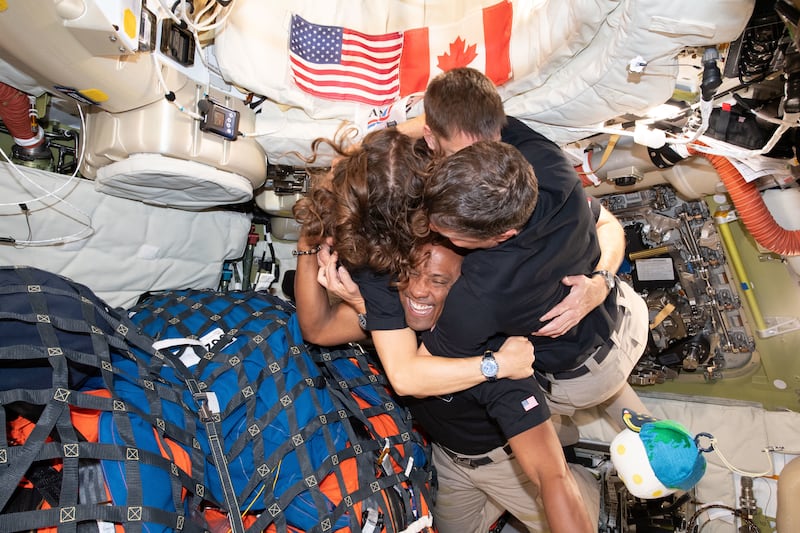
Hansen on connection to earth
The Artemis II mission captured the attention of the world. The crew was asked if that has hit them yet.
“We just went up and did what we were going to do,” said Hansen, who said that from their perspective, they felt separated from Earth, even as the world tuned in every day.
“We just leaned into what we had. We leaned into each other.”
‘Bonded forever’
“We are bonded forever,” said Wiseman, opening the news conference. “That is the closest four people can be and not be a family.”
What were the objectives?
According to NASA, the primary objectives of the mission were achieved.
Those objectives included testing its life support systems, piloting the Orion spacecraft manually, propelling it to the moon, adjusting course as needed with “unprecedented views” of the moon’s far side, and returning safely.
What’s next?
NASA says it will send Artemis astronauts on “increasingly challenging” missions to the moon for scientific discovery and “economic benefits.” It also plans to establish an enduring human presence on the moon as a step toward visiting Mars.
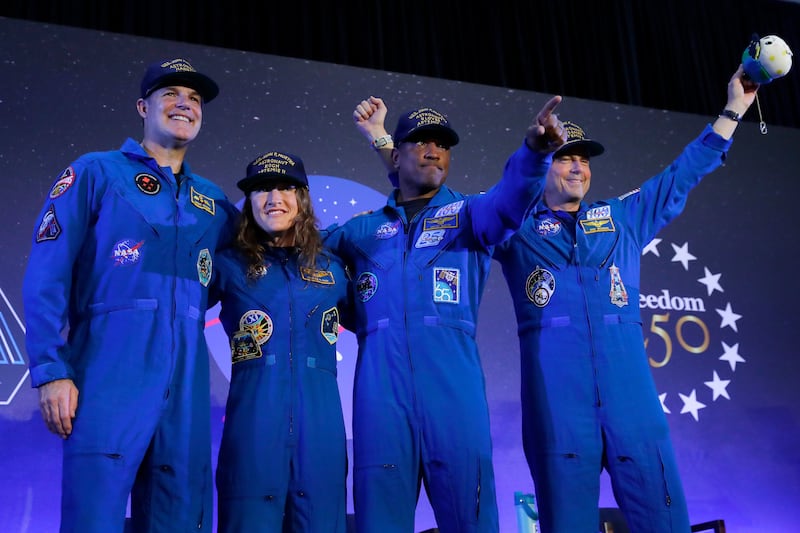
How close did the crew get to the moon?
NASA says it got as close as 6,660 kilometres (4,070 miles) to the moon, which is about double the distance between Toronto and Vancouver.
Why didn’t we send robots?
NASA says Artemis II builds on the previous, uncrewed Artemis I test flight and verifies the Orion capsule’s ability to sustain human life on longer-duration missions. From a technological perspective, NASA also says human eyes offer unique capabilities to detect “subtle changes” in colour and texture on the lunar surface.
What did they eat?
While in space, the astronauts had access to 189 unique menu items.
“Common food items include tortillas, nuts, barbeque beef brisket, cauliflower, macaroni and cheese, butternut squash, cookies, and chocolate,” reads an article published by NASA.
Beverages include coffee, green tea, “strawberry breakfast drink,” lemonade and mango peach smoothie. There were a number of sauces and flavourings available, including maple syrup, spicy mustard and almond butter.

