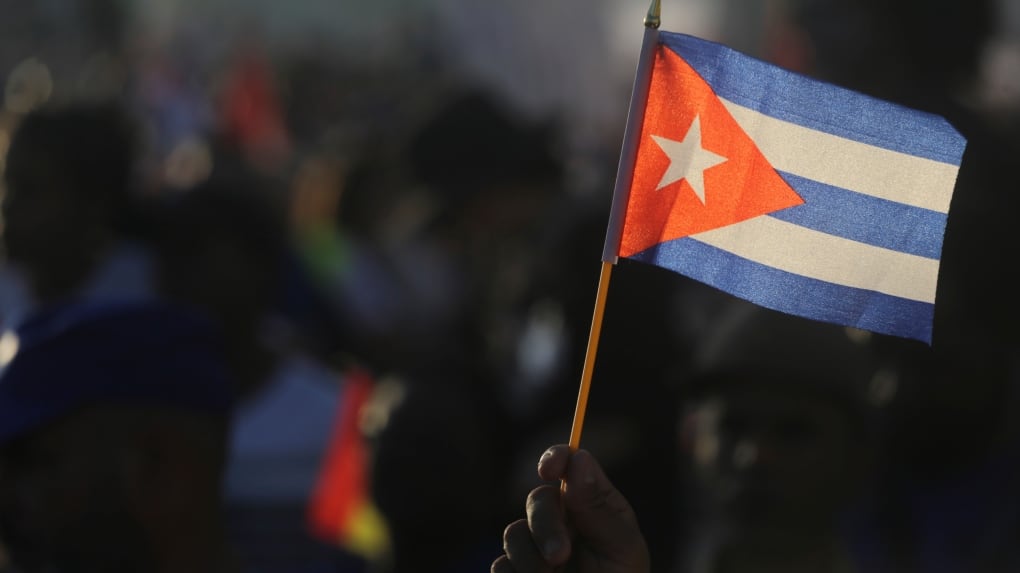
The Cuban government has approved a measure allowing Cubans living abroad to invest in their home country, according to media reports Friday, as the communist island seeks a way out of a severe economic crisis.
The new decree, approved Thursday by the Council of State, allows “Cuban citizens living abroad... to participate in the Cuban economic model.”
The move comes at a time when Cuba, under a U.S. embargo since 1962, is facing a severe energy crisis that has crippled its economy after a de facto oil blockade by the United States.
The energy crisis has prompted the Cuban government to expand the private sector, ending its state monopoly on fuel imports and allowing private entities to carry out direct imports.
Last month, the Cuban government authorized partnerships between public and private companies for the first time in nearly 60 years, though the communist government will maintain a state monopoly in the health, education and defense sectors.
In 2021, the Cuban government authorized the opening of private enterprises with up to 100 employees for certain sectors of the economy, and by last year, they employed more than 30 percent of the active population and represented about 15 percent of the country’s GDP.
Until recently, nearly 80 per cent of the Cuban economy was based on a centralized production system under the control of state-owned enterprises.

