Sperm cells are at their highest quality during summer months, a new study has found, although that doesn’t mean it will lead to a higher likelihood of fertilization.
Published in the Reproductive Biology and Endocrinology journal in February, the study looked at data from the sperm samples of nearly 16,000 men in from Florida and Denmark, examining different metrics including speed and volume.
They found that the sperm were strongest during June and July, with sperm in Denmark 29 per cent faster, while the ones tested in Florida were 12 per cent faster.
“There’s a category for the fastest of the sperm and a higher percentage of sperm tend to be in that speedy category when you have a sperm sample from the summer,” explained CTV News’ science expert Dan Riskin.
- READ MORE: Lost in space: Sperm struggles to navigate during weightless sex
- READ MORE: What is a ‘fertility gap’ and why is it growing in Canada?
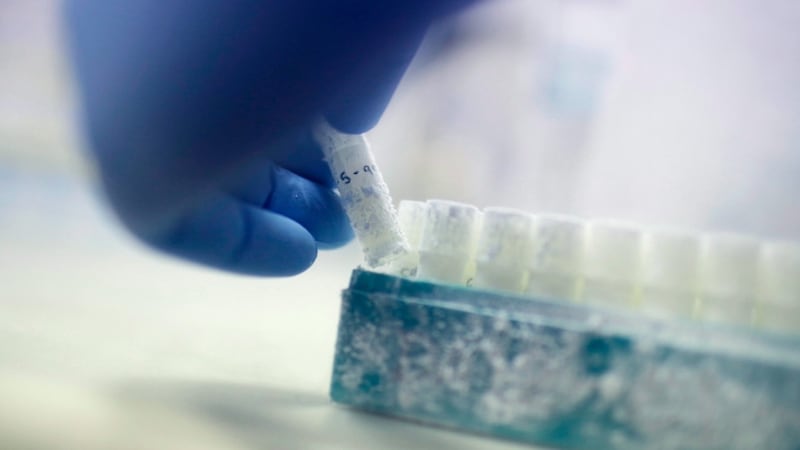
The study examined nearly 10,700 men in Danish cities and almost 5,000 men from Orlando, Fla. The subjects were between 18-45 years old.
“Our analyses of semen parameters in a large number of men between 2018 and 2024 in Florida and Denmark show clear seasonal patterns in sperm quality,” the study said.
The study specified that although which season it is can affect the sperm, temperature apparently did not.
“In our study, there was relatively little evidence for a relationship between sperm (quality) and outdoor temperatures in either the (studied) month or two months previously,” the authors wrote. They called potential effects of outdoor temperatures on sperm “intriguing,” but were reluctant to cement a connection.
Instead, they suggested that lifestyle changes corresponding with different seasons, such as increased outdoor activity or changes in diet, could affect sperm quality. They cautioned that their outdoor temperature analysis was based on monthly mean, rather than daily or hourly measurements.
- READ MORE: Scientists discovered microplastics in human semen and follicular fluid
- READ MORE: Ultra-processed food may harm men’s heart health and fertility, study suggests
Likelihood of fertilization
There is a variety of other factors that affect fertilization, Riskin wrote in an email to CTV News. There was no noticeable uptick in pregnancies in March and April, nine months after what the study found to be sperm’s speediest season, he added.
Riskin highlighted the “aggressive egg hypothesis,” which suggests that the female body has methods to control which sperm fertilize the egg.
“In the olden days, we thought of eggs as these sort of like fat things that just lay there and did nothing, and sperm as these strong, vibrant, exciting things that went and fought each other, and whoever got to the egg first was the winner,” Riskin said.
“In hindsight, that was a really sort of sexist-driven way of characterizing the whole thing, where the male side of the equation is where all the power is, and it’s a battle of the fittest, and the female is just lying there and putting up with whatever answer the male comes up with for the female.”
- READ MORE: This sperm donor met his 60 biological children. They’ll be featured in a new documentary.
- READ MORE: Lab launches Canada’s first mail-in semen analysis kit

Riskin added that the study supports this theory, saying that if the female reproductive side was only a passive receiver, there would be an uptick in conceptions during the summer months.
“But you don’t see that,” he said. ”When you look at human birth rates, they’re just sort of uniform across the year. You don’t see this peak as a result of everybody being more reproductive during the summer.”
Riskin said that although this study used a sizeable sample size, more research was needed, as more studies in different locations would help better understand the phenomenon. He said that future studies should look at sperm samples from both hemispheres, places with big and small temperature changes, and seasonal sunlight variations.
Since men around the world donate sperm, Riskin said, it’s one of the easiest substances to get and study.
“I’m sure that there are going to be follow-up studies where there are whole databases where these things have been measured in other parts of the world,” he added, saying it would “give us a more full picture of what’s going on.”

