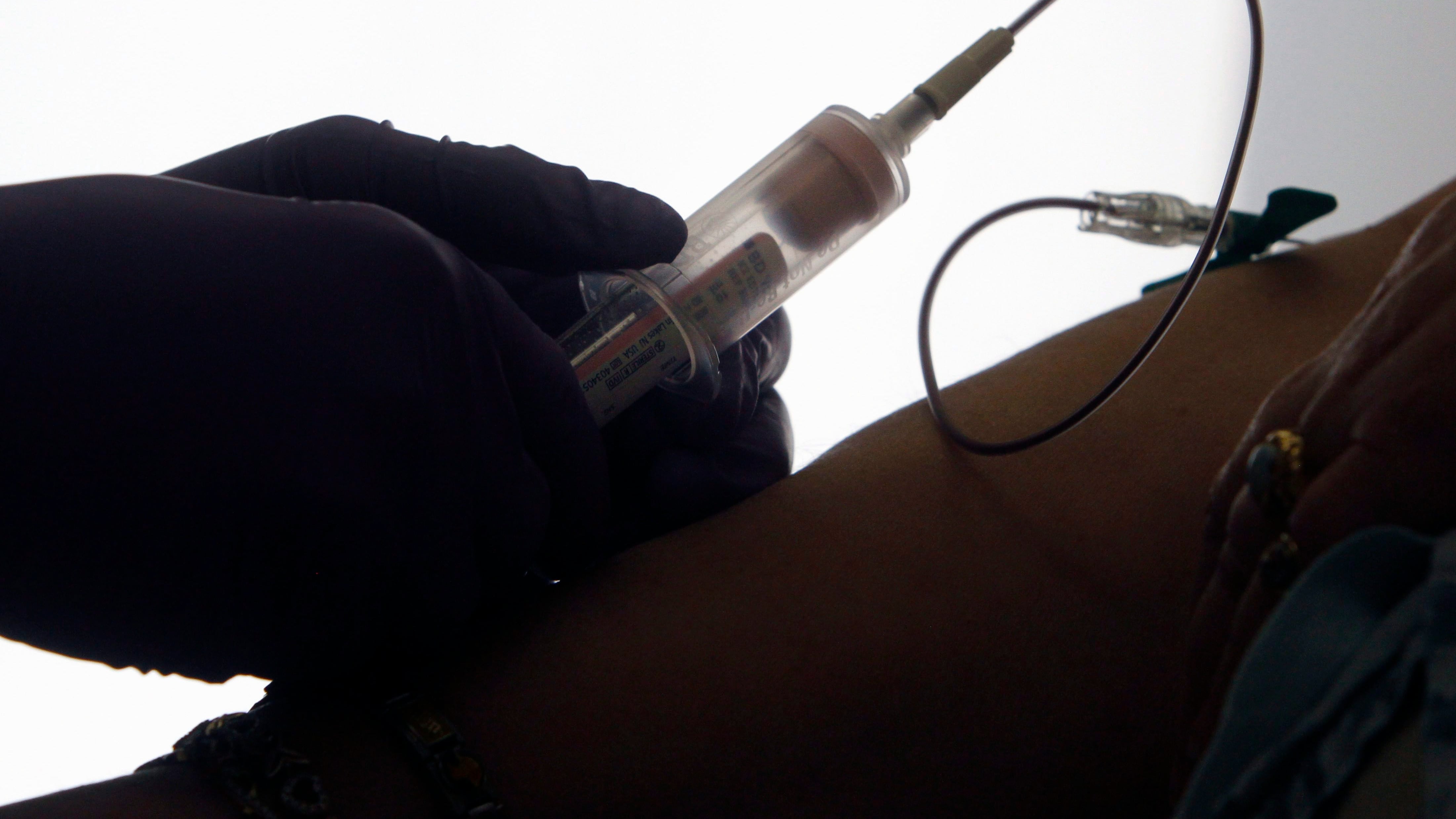
A new study suggests that post-traumatic stress disorder (PTSD) may leave measurable biological traces throughout the body that can be detectable through routine blood tests.
Published in the journal Molecular Psychiatry, researchers at Mass General Brigham in Massachusetts, the Broad Trauma Initiative and the Harvard T.H. Chan School of Public Health identified a set of scalable, blood-based biomarkers linked to PTSD across multiple organ systems.
The researchers behind the study say their findings could help diagnose and manage the condition.
Lead author Younga Lee explained that the findings point to PTSD as a contributor to disruptions in multiple systems including cardiometabolic health, immune function and liver or hepatic health.
“Finding scalable, blood-based biomarkers could help inform timely interventions aimed at mitigating chronic disease risk, which could ultimately improve long-term health outcomes among patients living with PTSD,” Lee said in a press release.
PTSD is typically diagnosed based on psychological symptoms, but the study highlights its broader physiological footprint.
Researchers analyzed data from nearly 24,000 adults enrolled in the Mass General Brigham Biobank, combining genetic information with electronic health records to better understand how PTSD affects the body.
They assessed both genetic risk – based on known PTSD-related genetic variants – and clinical risk, using documented diagnoses. From this, the researchers identified 16 biomarkers that were consistently associated with both.
These markers include:
- Cholesterol and glucose levels (linked to metabolic health)
- Liver function indicators such as albumin - a protein produced by the liver - and bilirubin, which is created by the body’s natural breakdown of old red blood cells
- Red and white blood cell counts (linked to immune function)
The researchers suggest that PTSD is likely causing changes to these markers, rather than the other way around, and could explain why PTSD is often linked to chronic conditions such as heart disease and metabolic disorders.
The study says that because these tests are part of standard medical care, they could be used to monitor PTSD’s physical effects and detect risks earlier
Researchers emphasized that further validation is needed, particularly in larger and more diverse populations.

