


Four Canadians are among the 149 people onboard the cruise ship where a rodent-borne illness is suspected of killing three passengers and sickening three others, according to the operator.
In a statement shared Monday, Oceanwide Expeditions said strict precautionary measures, including “isolation measures, hygiene protocols and medical monitoring,” are in process onboard the ship to deal with the suspected outbreak of hantavirus.
The World Health Organization said on Monday that seven cases of hantavirus have been identified.
“As of 4 May 2026, seven cases (two laboratory confirmed cases of hantavirus and five suspected cases) have been identified, including three deaths, one critically ill patient and three individuals reporting mild symptoms,” the WHO said.
The body of one of the dead passengers is still onboard the ship, as well as two ill crew members.
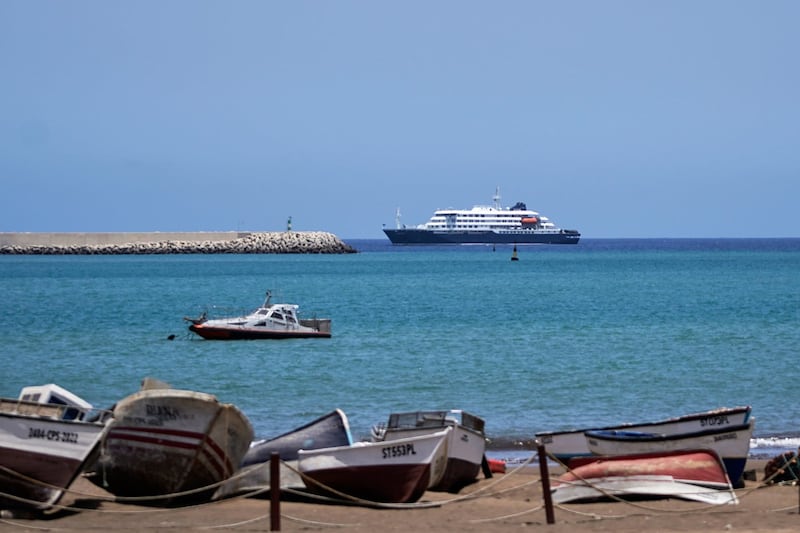
The ship, which is currently off the coast of Cape Verde, is seeking help from the World Health Organization (WHO), as well as local and international authorities, to disembark the two ill crew members onboard who require urgent medical care.
According to Oceanwide Expeditions, both members – one of British and the other of Dutch nationality – have acute respiratory symptoms, though one case is mild and one severe.
At this time, no other persons with symptoms of Hantavirus have been identified.
What is hantavirus?
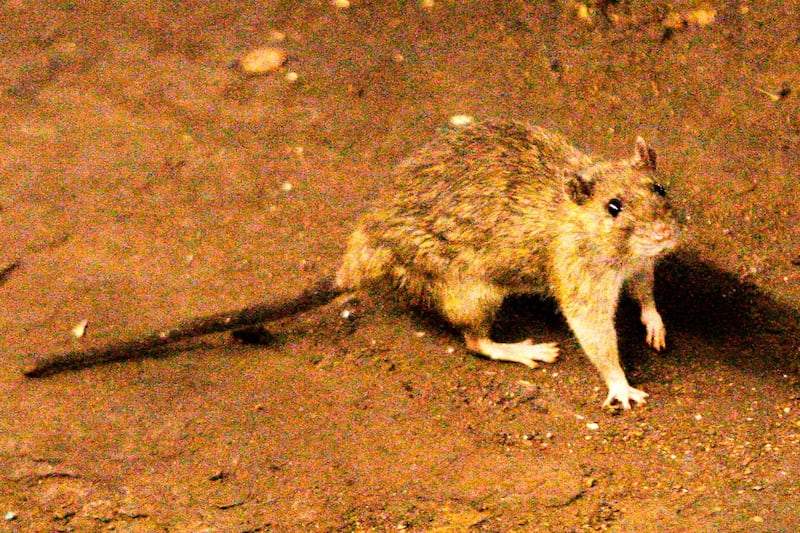
Hantaviruses are a family of viruses spread by environmental exposure with the urine or feces of infected rodents, like rats and mice. WHO says though rare, “hantavirus may spread between people, and can lead to severe respiratory illness and requires careful patient monitoring, support and response.”
The organization says infection with hantaviruses can cause a range of illnesses, including severe disease and death. Hantavirus cardiopulmonary syndrome (HCPS), a severe respiratory illness with a case fatality rate up to 50 per cent, is also common in the Americas.
Dr. Gerald Evans, chair of the division of infectious diseases at Queen’s University, told CTV News Channel Monday that there are two common streams of the virus: Andes virus (ANDV), which affects South America and can be transmitted person to person, and Sin Nombre virus (SNV), which affects North America and is not transmitted person to person.
Given the origin of the ship, Evans says it’s possible the virus strain may be transmitted from person to person, but when it comes to fatality rates, those fall “more in the range of about 30 per cent.”
Evans said the only treatment available for hantavirus is “something called ECMO, or Extracorporeal Membrane Oxygenation,” that requires a “very sophisticated setup at a very advanced hospital.”
Timeline of deaths onboard ship
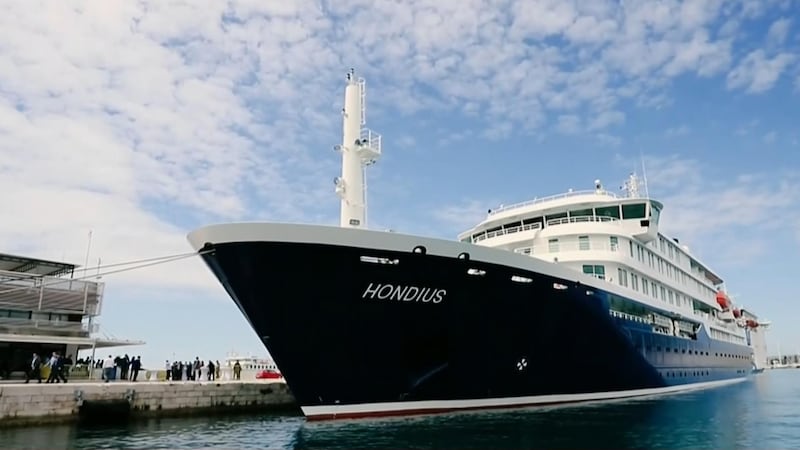
The MV Hondius, which was on a weekslong polar cruise from Argentina to Antarctica, then several isolated islands in the South Atlantic, has had three deaths onboard since April 11.
A 70-year-old Dutch man with symptoms including fever, headache, abdominal pain and diarrhea, was confirmed on April 11 by the ship’s operator to be the first victim.
On April 24, his body – accompanied by his wife – was taken off the vessel on the British territory of Saint Helena, nearly 1,900 kilometres off the African coast.
The 69-year-old Dutch wife was awaiting her husband’s repatriation when she collapsed at a Johannesburg airport and died at a nearby hospital, according to the South African Department of Health.
It has not been confirmed if hantavirus was the cause of both deaths.
However, on April 27, a seriously ill British man was taken off the ship to South Africa where he later tested positive for a variant of hantavirus. The individual is currently being treated in an intensive care unit in Johannesburg and is in a critical, but stable condition, according to the ship’s operator.
On May 2, a third passenger died onboard and was identified as a German national. The body is still on the ship, the cruise operator said on Monday.
The three deaths are not yet confirmed to be hantavirus as the only person confirmed to have the virus is the man in intensive care in South Africa.
Possible solutions
Oceanwide said although local health authorities have visited the vessel and assessed the situation, the operator is still seeking permission to disembark passengers, begin medical evacuations and conduct medical screening.
In the meantime, the ship is working closely with international authorities, including the WHO, the RIVM, relevant embassies and the Dutch ministry of foreign affairs.
In a statement posted Sunday to X, WHO said it is supporting the ship by “facilitating coordination between member states and the ship’s operators for medical evacuation of two symptomatic passengers.”
The organization also said detailed investigations including “further laboratory testing, and epidemiological investigations” are ongoing.
The Dutch foreign ministry said it was also exploring the possibilities of evacuating some people from the ship.
Oceanwide Expeditions said a possible next step may involve sailing on to Las Palmas or Tenerife for disembarkation, “where further medical screening and handling could take place.”
The files from The Associated Press

