


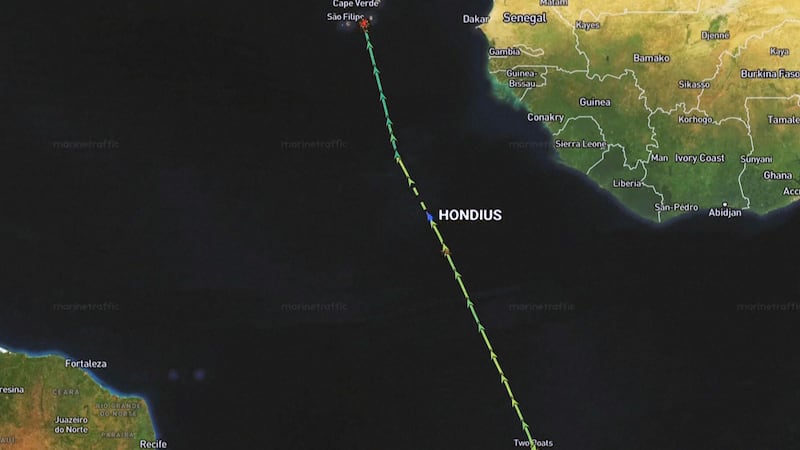
ALBUQUERQUE, N.M. — An outbreak aboard a cruise ship of a rare rodent-borne illness called hantavirus has left three passengers dead and sickened others, but global health officials say the risk to the general public remains low because the germ does not easily spread between people.
“This is not the next COVID, but it is a serious infectious disease,” said Maria Van Kerkhove, director of epidemic and pandemic preparedness at the World Health Organization. “Most people will never be exposed to this.”
Hantaviruses have been around for centuries and are thought to exist around the world. The disease gained renewed attention last year after the late actor Gene Hackman’s wife, Betsy Arakawa, died from a hantavirus infection in New Mexico.
The virus usually spreads when people inhale contaminated residue of rodent droppings. But the hantavirus that has caused the current outbreak, called the Andes virus, may be able to spread between people in rare cases. Because of this, health officials are taking extra precaution with passengers returning to their home countries.
This outbreak may have come from Argentina
Detailed investigations of the cruise ship outbreak are ongoing, notably to determine its source.
Investigators in Argentina suspect that the cases were initially contracted during a birdwatching trip in Ushuaia, at the country’s southern tip, two officials told AP. But officials in Ushuaia note that the virus has not previously been detected in the province.
Argentina has seen a surge of hantavirus cases that many local public health researchers attribute to climate change.

The virus is spread by rodents and, more rarely, people
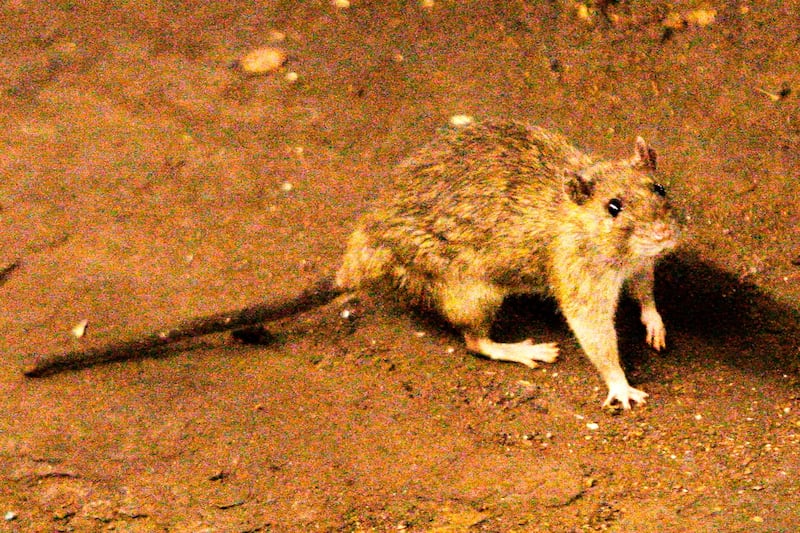
Hantavirus is mainly spread by contact with rodents or their urine, saliva or droppings, particularly when the material is disturbed and becomes airborne, posing a risk of inhalation.
People are typically exposed to hantavirus around their homes, cabins or sheds, especially when cleaning enclosed spaces with little ventilation or exploring areas with mouse droppings.
Scientists are still trying to learn exactly how the Andes virus may be able to spread between people, said Dr. Jeanne Marrazzo, chief executive officer of the Infectious Diseases Society of America. They suspect people could be infectious when they have symptoms, and, if the virus spreads, it may be transmitted through small liquid particles that blow out of an infected person when they talk, cough or sneeze.
The illness starts with flu-like symptoms
An infection can rapidly progress and become life-threatening. Experts say it can start with symptoms including fever, chills, muscle aches and maybe a headache -- much like the flu.
Symptoms of hantavirus pulmonary syndrome usually show between one and eight weeks after contact with an infected rodent. As the infection progresses, patients might experience tightness in the chest, as the lungs fill with fluid.
The other syndrome caused by hantavirus -- known as hemorrhagic fever with renal syndrome, which can cause bleeding, high fever, and kidney failure -- usually develops within a week or two after exposure.
Death rates vary by which hantavirus causes the illness. Hantavirus pulmonary syndrome is fatal in about 35 per cent of people infected, while the death rate for hemorrhagic fever with renal syndrome varies from 1 per cent to 15 per cent of patients, according to the CDC.
Infections have been relatively uncommon
Hantavirus infections are relatively uncommon globally. The WHO reported that in 2025, eight countries within the Americas had documented 229 cases and 59 deaths.
Argentina’s health ministry said hantavirus led to 28 deaths nationwide last year. The ministry on Tuesday reported 101 hantavirus infections since June 2025, roughly double the caseload recorded over the same period the previous year.
In the U.S., federal health officials began tracking the virus after a 1993 outbreak in the Four Corners region -- the area where Arizona, Colorado, New Mexico and Utah meet. It was an astute physician with the Indian Health Service who first noticed a pattern of deaths among young patients.
Most U.S. cases are in Western states. New Mexico and Arizona are hot spots, likely because the odds are greater for mouse-human encounters in rural areas.
The Andes virus is a concerning member of the hantavirus family
The family of hantaviruses is named for the Hantaan River in Korea, where the first one was discovered.
That virus, called the Hantaan virus, infected 3,000 soldiers during the Korean War in the 1950s, causing a disease called Korean hemorrhagic fever. It killed 190 of them. The virus itself was not identified until more than 20 years later.
Hantaviruses have not been found to spread from person to person -- with the possible exception of the Andes virus, which has been confirmed in the current outbreak.
Still, transmission between people does not happen easily, and would require “close and prolonged” contact, according to the WHO.
“We haven’t had huge person-to-person spreads of hantavirus infection ever before, and there’s no reason to suspect a huge outbreak from this case at this point,” said Steven Bradfute, an associate professor and associate director of the Center for Global Health at the University of New Mexico Health Sciences Center, which specializes in hantavirus research.
A lot of unknowns about the illness and treatment
There is no specific treatment or cure, but early medical attention can increase the chance of survival.
Despite years of research, many questions have yet to be answered, including why it can be mild for some people and severe for others and how antibodies are developed. Some researchers have been following patients over long periods of time in hopes of finding a treatment.
“In the Americas, hantavirus infection is very serious, but it’s also quite rare,” Bradfute said. “And so for a time that probably led to less research into it because of funding priorities, but I know there’s been a lot of interest in funding hantavirus work of late.”
What researchers do know is that rodent exposure is key.
The best way to avoid the germ is to minimize contact with rodents and their droppings. Use protective gloves and a bleach solution for cleaning up rodent droppings. Public health experts caution against sweeping or vacuuming, which can cause virus particles to get into the air.
Susan Montoya Bryan, The Associated Press
Associated Press journalists Mike Stobbe and Randy Herschaft in New York and Isabel Debre in Buenos Aires, Argentina, contributed.

