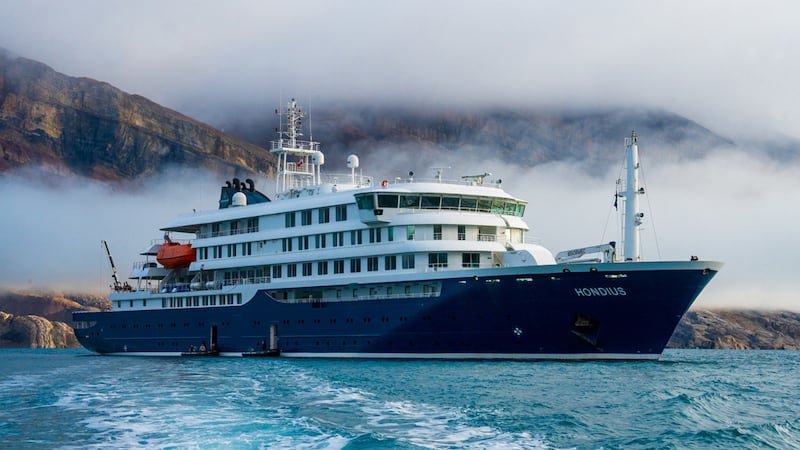
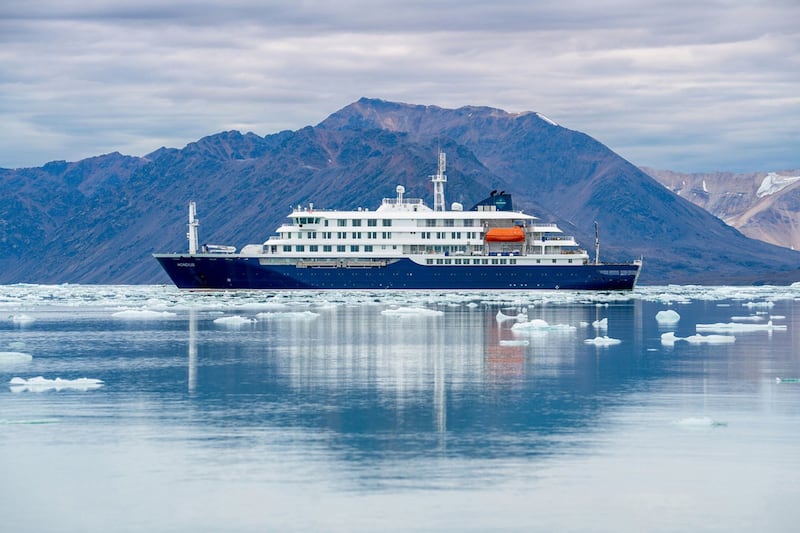
TORONTO – The MV Hondius is hardly the first ship to find itself stranded at sea, denied entry to port and caught in a legal no-man’s land — and experts say it likely won’t be the last.
The Dutch luxury cruise ship, carrying 149 passengers and crew, has been anchored off Praia, the capital of Cape Verde, since authorities refused it entry following a suspected deadly hantavirus outbreak that has killed three people.
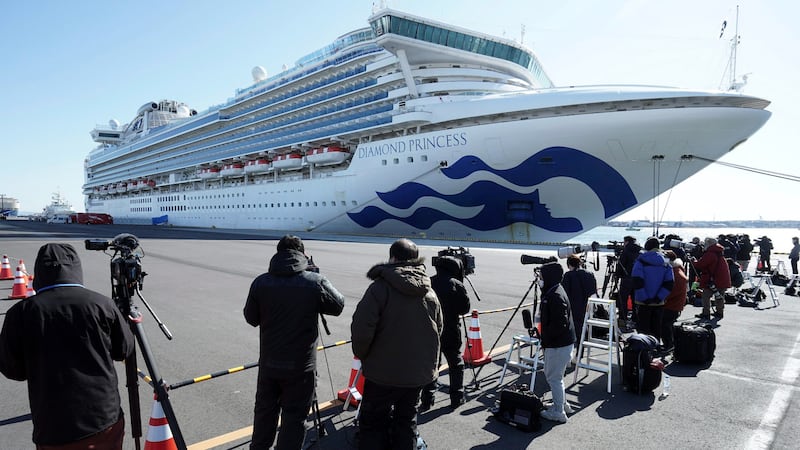
The situation has drawn comparisons to the Diamond Princess, the cruise ship quarantined in Yokohama harbour in Japan for two weeks during the early days of the COVID-19 pandemic in 2020.
“That was a pretty horrible one,” said Toronto-based travel expert Loren Christie.
Cruise ships occupy an unusual legal and jurisdictional grey zone when disease strikes. When contagious illness is detected, port authorities frequently invoke what’s known as the “precautionary principle,” denying docking rights to protect their own populations.
It is a practice with deep historical roots. During the Black Death in the 14th century, the city-state of Venice forced arriving ships to anchor offshore to see if the crew developed symptoms, and they did so for 40 days — quaranta giorni in Italian. The word quarantine was born from that practice.
In February 2020, the Spirit of Discovery was denied entry to Gibraltar after a norovirus outbreak on board.
Port denials are rare, but they do happen. When they do, passengers have little recourse.
“I don’t think these situations happen very often, but unfortunately, if they do happen, there’s not much you can do about it,” Christie said. “Ultimately, a cruise line has a duty of care for all of its passengers. It’s got a duty of care for the ports that it’s visiting. First and foremost, it has to ensure the safety of everyone. And unfortunately, that might mean that you’re stuck on a cruise ship.”
Experts say authorities must balance public health risks against humanitarian needs.
As for compensation, Christie says passengers should temper their expectations — though he believes those aboard the MV Hondius may fare better than most.
“It’s got a lot of media coverage and attention on it, so it wouldn’t surprise me if they did something.”
Infectious disease specialist Dr. Isaac Bogoch says the situation, while concerning for those on board, is not a harbinger of a broader threat.
“This is the first time hantavirus has been detected on a cruise ship,” he said. “It sounds like a sad, but very rare event.”
Still, Bogoch says the incubation period — which can stretch up to six weeks — complicates matters for passengers and health authorities alike as they try to determine who may have been exposed.
Daniel Bausch, a professor at the Global Health Centre at the Geneva Graduate Institute, says the Hondius is a reminder of the inherent risks of confining large numbers of people in small spaces.
“We know that cruise ships and other events where we pack a lot of people into small places, they always have the risk of human-to-human transmission of different pathogens,” he told Reuters. “Hantavirus, I guess, needs to be added to the list of something that people could potentially get on a cruise ship.
“But it’s not going to be a common event, and it’s not something that the population at large needs to worry about,” he continued. “If you had tickets for a cruise, I don’t think you need to cancel it.”
Christie echoes that sentiment, even as he acknowledges the ordeal passengers face when a voyage turns.
“In my mind, they are just the risks that you take,” he says. “It’s unpleasant and all of those other things, but I think it’s not something that you should expect or worry about too much. But it could happen.”
With files from Reuters and The Associated Press

