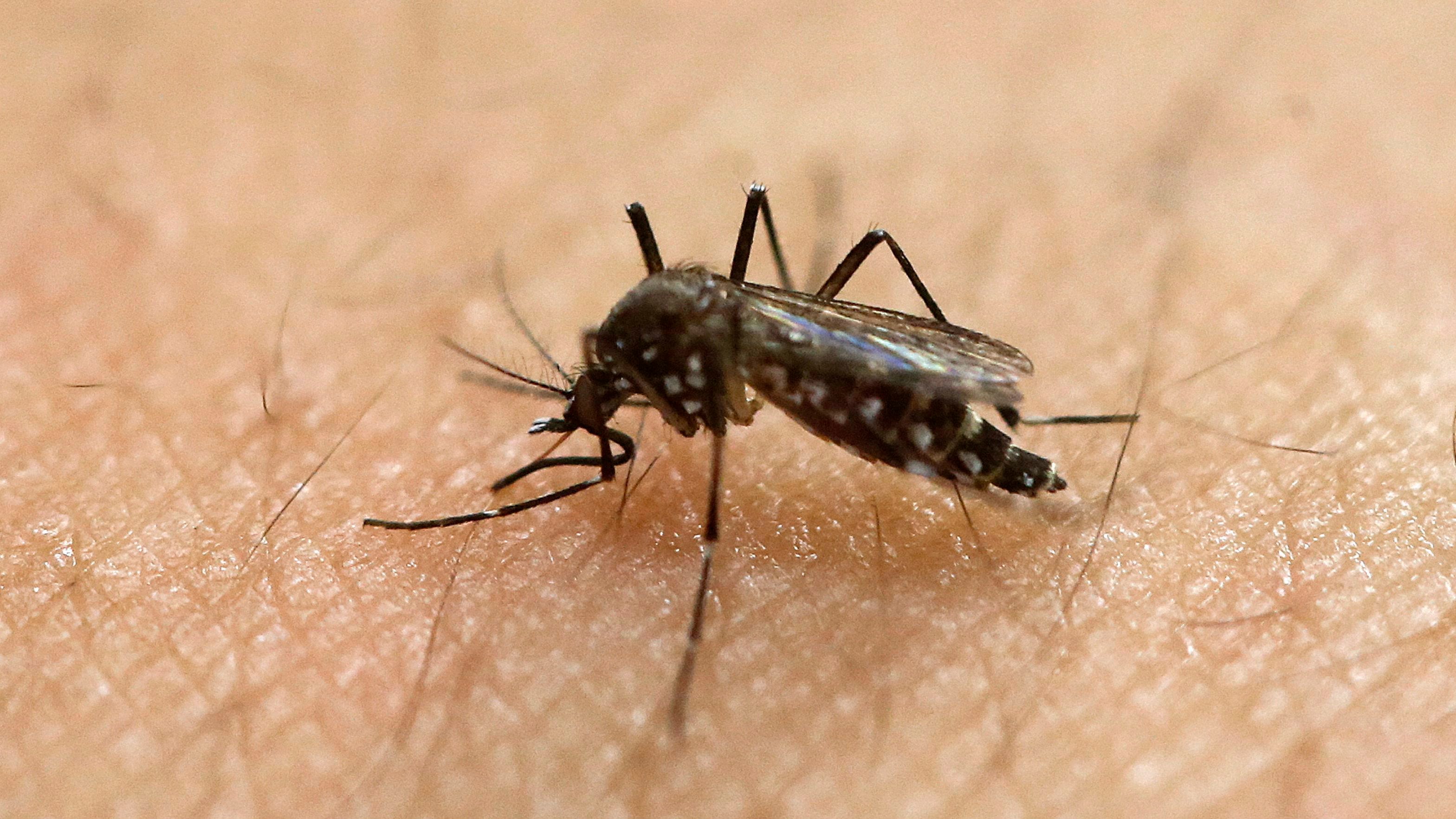
A new study suggests mosquitoes may be able to learn to associate the smell of DEET with food and, in some cases, even become attracted to the insect repellent.
The research, published in the Journal of Experimental Biology, found yellow fever mosquitoes could be trained to connect the smell of DEET with a reward, such as blood or sugar.
Led by a team of researchers that include Clément Vinauger of Virginia Tech and Claudio Lazzari of France’s University of Tours, the study focused on the yellow fever mosquito, also known as Aedes aegypti, a species that spreads diseases including dengue fever, Zika, yellow fever and chikungunya.
In the experiments, mosquitoes were restrained behind a mesh barrier while warm blood was placed just out of reach. After the insects began trying to feed, researchers introduced the smell of DEET. The process was repeated four times.
More than 60 per cent of the trained mosquitoes later attempted to feed when exposed only to the smell of DEET, according to the study.
Researchers then gave mosquitoes a choice between two human hands, one untreated and one coated with DEET, at standard concentrations. Mosquitoes that had not been trained avoided the DEET-covered hand, while trained mosquitoes were drawn toward it.

The researchers said mosquitoes were also able to form the same association when sugar was used instead of blood as the reward.
Vinauger, the co-author of the study, said in an email to CTVNews.ca that the findings do not mean people should stop using DEET, describing it as “highly effective” and “the gold standard of repellents.”
“Our study presents very specific laboratory experimental conditions that are unlikely to occur in the real world, in which mosquitoes started feeding and were then exposed to DEET,” he explained.
“The closest real-world scenario would be a case of mosquitoes biting someone who applied DEET a long time ago and then learning that DEET isn’t so bad after all.”
He added that such a scenario is not very common.
“This is unlikely to occur often in the real-world, especially if DEET is reapplied as per the manufacturer’s recommendations,” Vinauger said.
- READ MORE: What if we killed all mosquitoes?
- READ MORE: Mosquito repellents put to the test – which work best?
However, he said the findings suggest mosquitoes’ cognitive abilities may influence how they respond to repellents and should be considered in future research “aiming at designing the next generation of repellents.”
The study also raises questions about how long mosquitoes may retain those learned associations.
“In the present study, we tested whether mosquitoes learned 15 minutes after training them,” Vinauger said.
“In prior work using similar training protocols, we found that mosquitoes can form long-term memories that last for more than 24 hours.”
Researchers noted treated clothing may also become less effective over time because DEET concentrations in fabric gradually decline.
Vinauger said previous research has also shown that repeated exposure to DEET can reduce its effectiveness during future encounters with mosquitoes.
“As of now, it seems unlikely that repeated exposures, without a food reward, can ‘train’ mosquitoes in the true sense of the term. But it definitely affects their aversion to DEET,” he said.
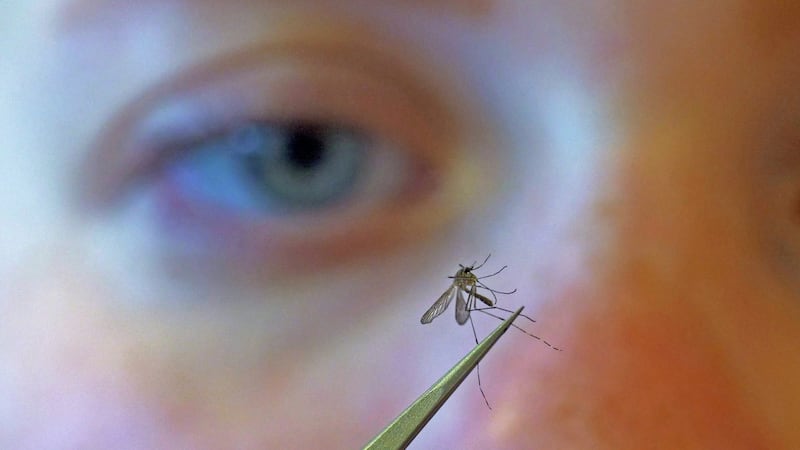
Although the study focused on yellow fever mosquitoes, Vinauger said researchers suspect other mosquito species may also be capable of similar learning behaviour.
“Although we haven’t tested other species, we suspect they would be able to learn as well, given conserved neural circuits that support learning across insects. But it remains to be tested.”
Despite the findings, Vinauger stressed that DEET remains an important tool for protection against mosquito bites, especially in regions where mosquito-borne diseases are widespread.
“Our study highlights the importance of following the manufacturer’s instructions regarding dosage and reapplication frequency, to ensure it remains highly effective,” he said.
He also encouraged people to continue using proven repellents when travelling to or living in areas where mosquito-borne illnesses are common, adding they should be “following the manufacturer’s recommendations and using products with high efficacy (DEET, picaridin, etc.)
Vinauger said the broader takeaway is that mosquitoes may continue adapting to human-control methods over time.
“I think the take-home message is that there is always room for mosquitoes to outsmart our control tools,” he said.
“Better understanding how repellents work and how mosquitoes respond to them will help design tools to diversify our arsenal against mosquitoes and, thereby, lower the risk of mosquitoes developing physiological or behavioral resistance.”

