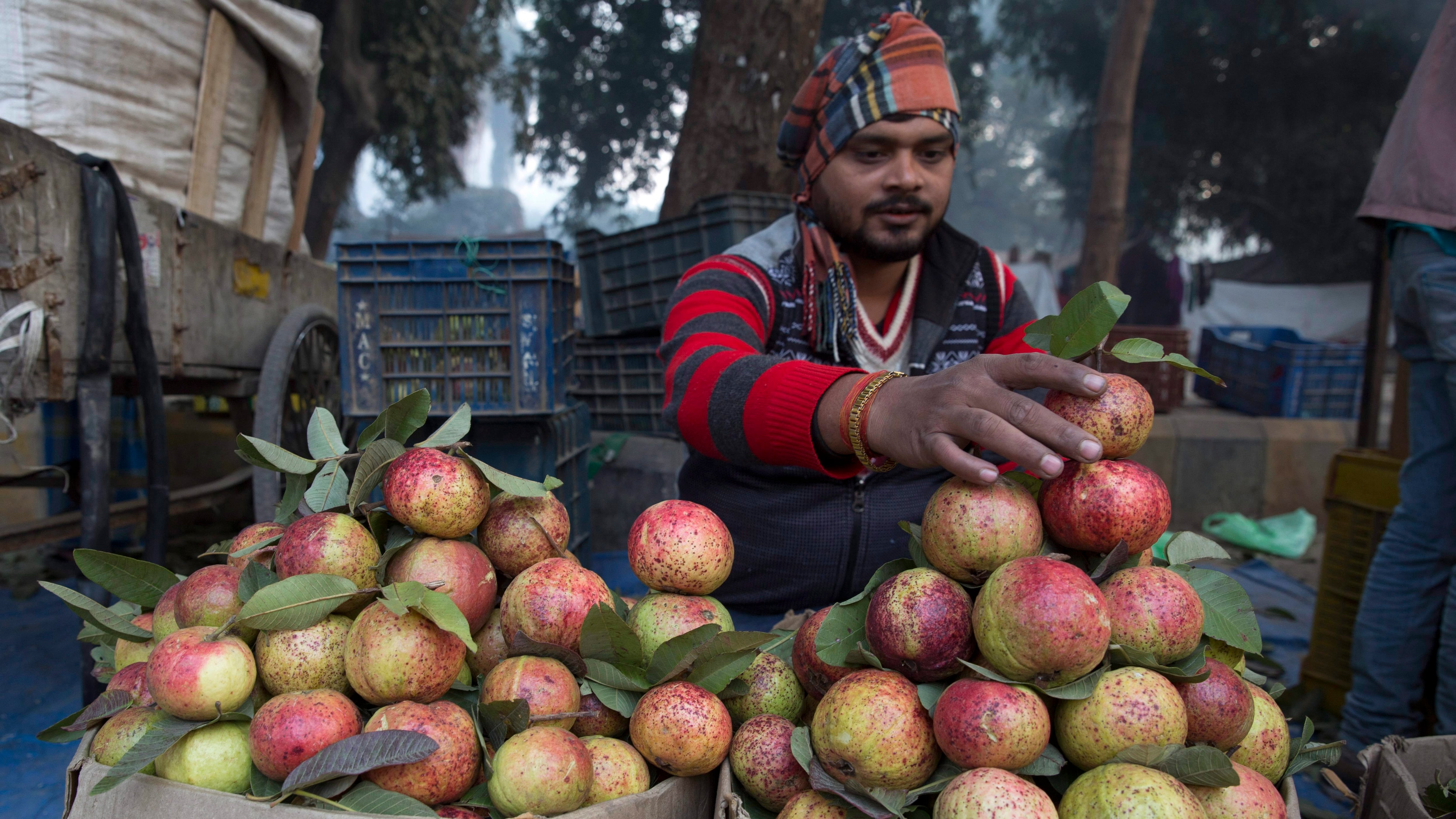
Researchers have found that regularly drinking guava juice could be an affordable and accessible way to help lower women’s risk of anemia in low- and middle-income countries.
The findings, which were published in the open access journal BMJ Nutrition Prevention & Health, suggest that combining the juice with iron supplements was more impactful at boosting hemoglobin levels than using the supplements on their own.
Teenage girls and pregnant women in low- and middle-income countries are vulnerable to iron deficiency anemia, the research notes.
In a release, the researchers write that adding the juice to school nutrition programs, antenatal care packages or other community health programs could be a “feasible approach to address mild-to-moderate anemia.”
Guava has up to four times as much vitamin C per 100 g as oranges. This makes it an accessible and cost-effective delivery of the vitamin in many Asian countries, the researchers point out.
“Given its nutritional richness, affordability, and cultural acceptance across Asia, guava juice offers a promising low-cost intervention,” they wrote. “Strengthening local supply chains, standardizing formulations and embedding such dietary approaches within public health nutrition programs could collectively contribute to more sustainable anemia control.”
The synthesized research looked at relevant clinical trials and quasi-experimental studies published in English from 2000 onwards, of which two were randomized controlled trials. Researchers note the limitations to their findings include that all the studies were solely based in Indonesia, as well as the “wide variability in study design, intervention duration, guava variety, dose and participant characteristics.”

