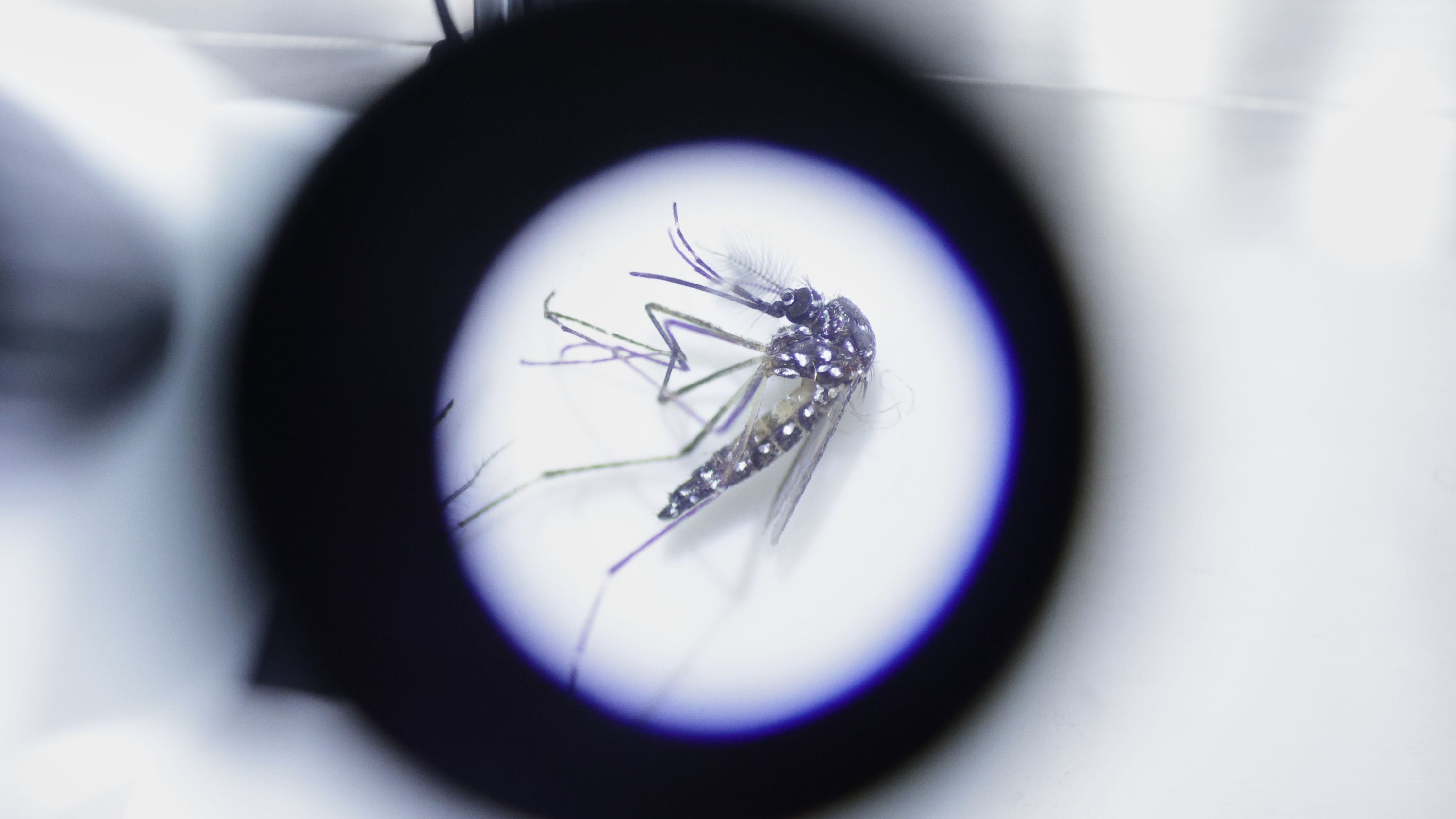
Google has an ambitious plan to swat away one of the world’s deadliest pests.
Verily, the life sciences division under Google’s parent company, Alphabet, wants to use advanced algorithms and artificial intelligence to breed 32 million mosquitoes, infect them with a naturally occurring bacterium, and release them in Florida and California.
The goal is to save lives by squashing the population of a particularly dangerous invasive mosquito, the Aedes aegypti. This type of mosquito is known for spreading Zika, dengue fever, yellow fever and chikungunya. They’ve also grown resistant to pesticides and traditional control methods.
According to the official website for the Debug Project, mosquitoes make hundreds of millions of people sick every year and kill more people than every other species combined.
How will releasing tens of millions of mosquitoes actually reduce the dangerous population? The new swarm will all be male. Only female mosquitos bite. They need the nutrients in blood to develop eggs. The lab-raised males, infected with Wolbachia bacterium, will seek out and mate with the wild female mosquitoes. Because of the bacterium the males have been infected with, a biological mismatch will occur, and the fertilized eggs will never hatch. As this process repeats over successive generations, the wild and more dangerous population should plunge, according to Verily.
This strategy has been successful before. According to Singapore’s National Environment Agency, the country has achieved an 80 to 90 per cent suppression of the dangerous Aedes aegypti population, and more than 70 per cent reduction in dengue incidents.
Google is still seeking federal approval to release the mosquitoes. The U.S. Environmental Protection Agency (EPA) is currently reviewing Google’s request for the experimental use permit.

