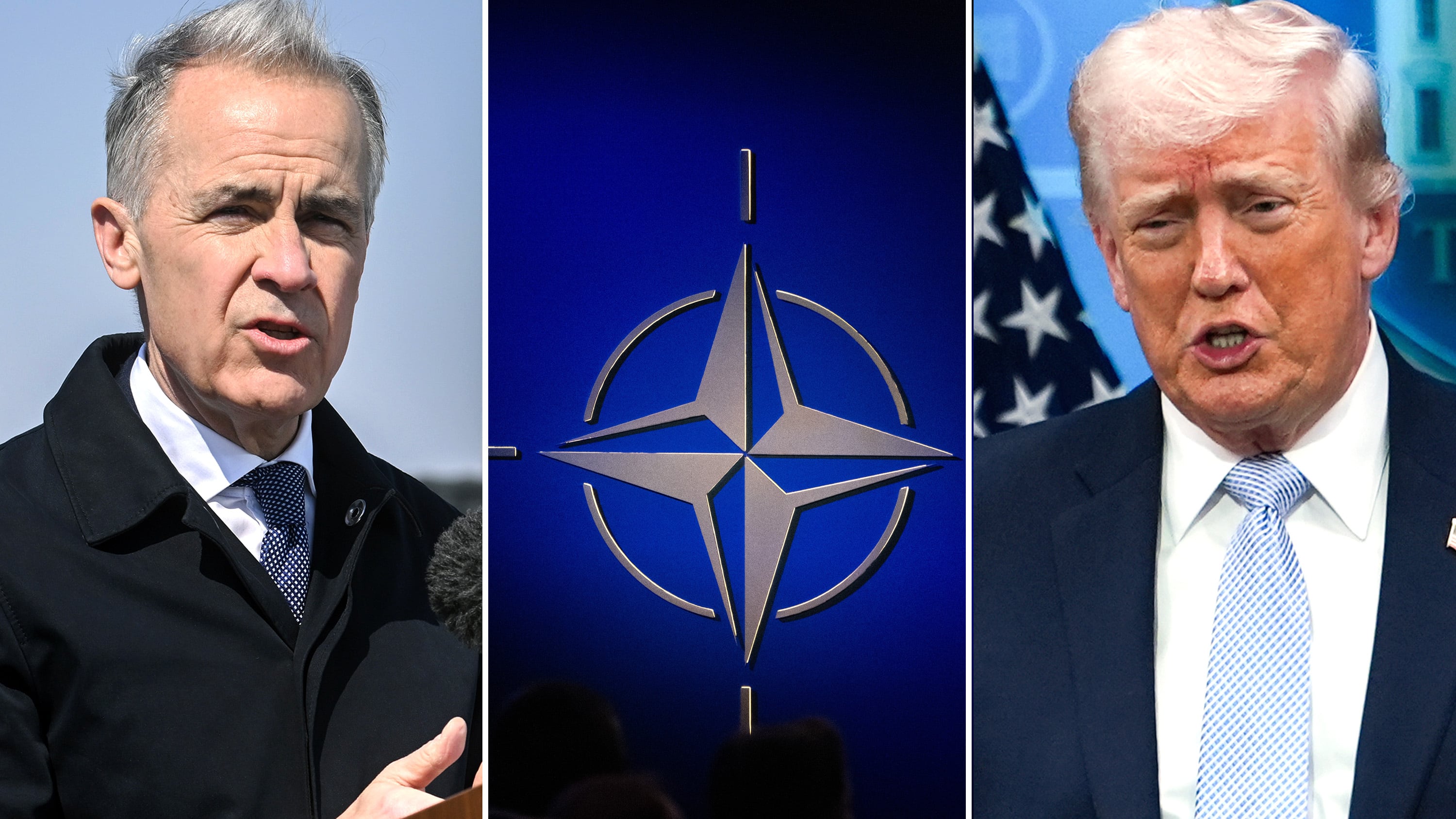
BRUSSELS/BERLIN - The U.S. expects European NATO allies and Canada to swiftly increase the number of manned and unmanned aircraft and ships they contribute to the alliance’s defence plans as Washington steps back in these areas, a top U.S. general said on Wednesday.
The statement by U.S. Air Force General Alexus Grynkewich, NATO’s top commander and the head of U.S. forces in Europe, followed a decision by the Trump administration to shrink the pool of U.S. military capabilities available to NATO in a crisis.
U.S. President Donald Trump has repeatedly criticized NATO and told its European members they will have to take over primary responsibility for the conventional defence of the continent.
The U.S. told allies last month of its decision to reduce its contribution to a framework known as the NATO Force Model, which includes a pool of forces that could be activated during a crisis.
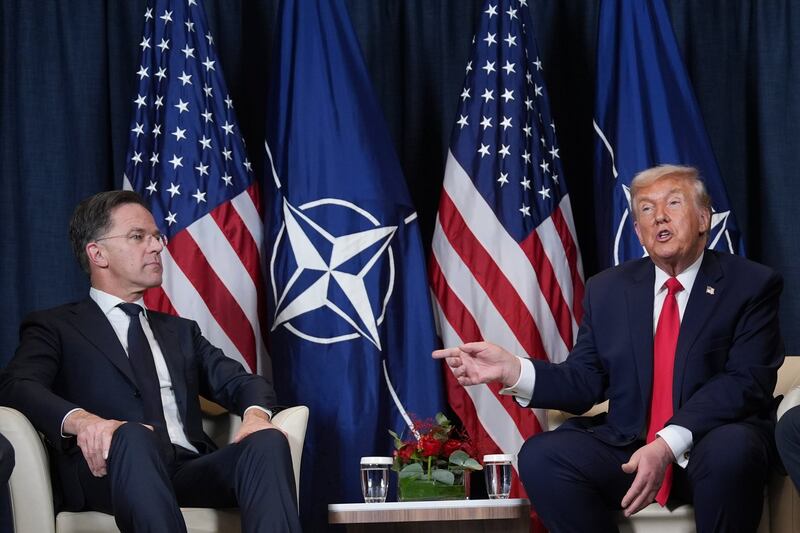
The U.S. did not publicly disclose details of the planned reductions. But they include cuts across a broad range of capabilities, including refueling aircraft, fighter jets, drones and navy ships, according to figures provided to Reuters by a military source.
The source, speaking on condition of anonymity, said the U.S. had not specified when the assets would no longer be available to NATO.
But Grynkewich’s statement, issued after a meeting of NATO military planners on Wednesday, was the first public indication of what areas the U.S. plans to cut first and where it expects allies to step in.
Manned and unmanned aircraft and naval vessels are two areas where Canada and European allies “can step up now and in the near term - as the United States reduces forces ‘sourced’ to the NATO Force Model in Europe and refocuses them elsewhere,” he said.
“There has been an unhealthy co-dependence in the NATO Force Model on U.S. forces,” Grynkewich said in his written statement. “President Trump, (Defense) Secretary (Pete) Hegseth and others have been clear that this needs to change, and it will change. The potential reality of simultaneous conflict in multiple theaters demands it.”
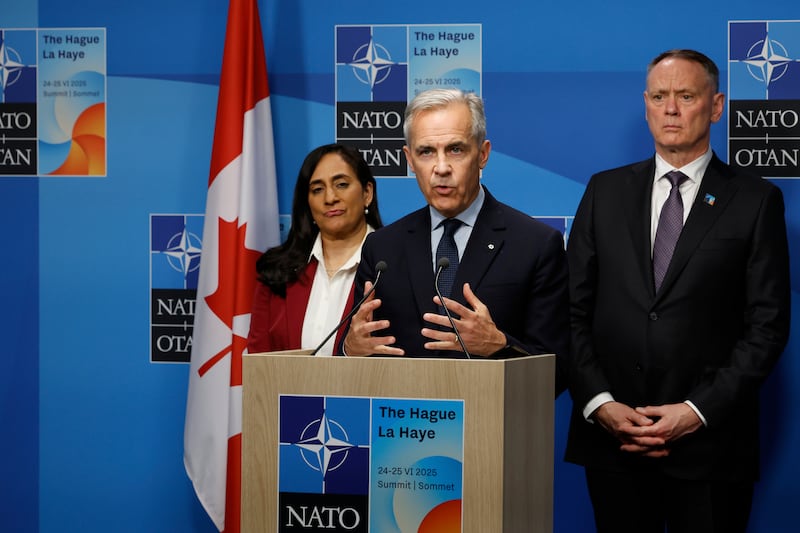
Changes won’t lead to defence gaps: NATO
The NATO alliance is under unprecedented strain, with some European countries concerned that Washington may withdraw outright. Any major or sudden cuts to U.S. forces available to NATO during wartime will only intensify those concerns.
A spokesperson for NATO’s military headquarters, U.S. Army Colonel Martin O’Donnell, said the areas mentioned by Grynkewich were “where allies already have or soon will have sufficient capabilities, meaning no defence gaps are expected to emerge.”
“Nations just need to assign the capabilities they have to NATO,” he added.
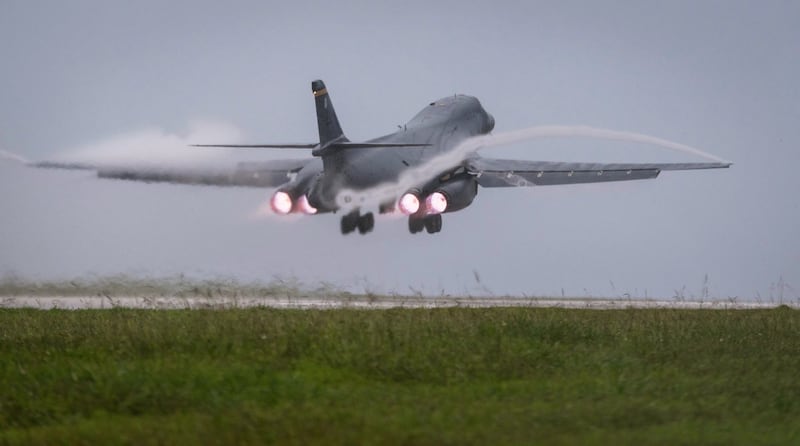
Under the U.S. plans, the number of U.S. F-15 and F-15E fighter jets available to NATO would fall by a third to 99 and the number of MQ-4 and MQ-9 Reaper drones would be cut by half to 12, according to the military source.
The source said fewer MQ-9 drones would harm NATO’s surveillance capabilities. “This will hurt,” the source said.
Jim Townsend, a former senior Pentagon official now at the Center for a New American Security think tank, said the move sent the wrong political signal to U.S. allies and to Russia.
“The U.S. should be voicing loud support for allies being harassed by Russia, not drawing down U.S. forces in Europe and reducing military capability pledged to NATO,” he said.
By Sabine Siebold, Reuters

