A remarkable archeological study uncovered new clues about previously unknown ties between British Iron Age (800 BCE–43 CE) communities.
While the discoveries, such as a removed brain and carved bones, sound grisly on the surface – they actually reveal deep family connections and burial traditions that spanned vast distances.
The peer-reviewed study, published Tuesday in the archeological journal Antiquity, involved researchers from the U.K. and U.S. examining human remains from two individuals, an adult female and a juvenile male. Their remains were found in a low stone cairn (essentially a slightly elevated pile of stone) in northern Scotland.
One of the study’s authors, Laura Castells Navarro, described why this region was promising for the research.
“We knew that in the north-west of Scotland, including the Northern and Western Isles, the circulation and deposition of human remains were particularly prominent,” she said in a news release accompanying the study. The northernmost conditions of mainland Scotland are also ideal for the preservation of bone.
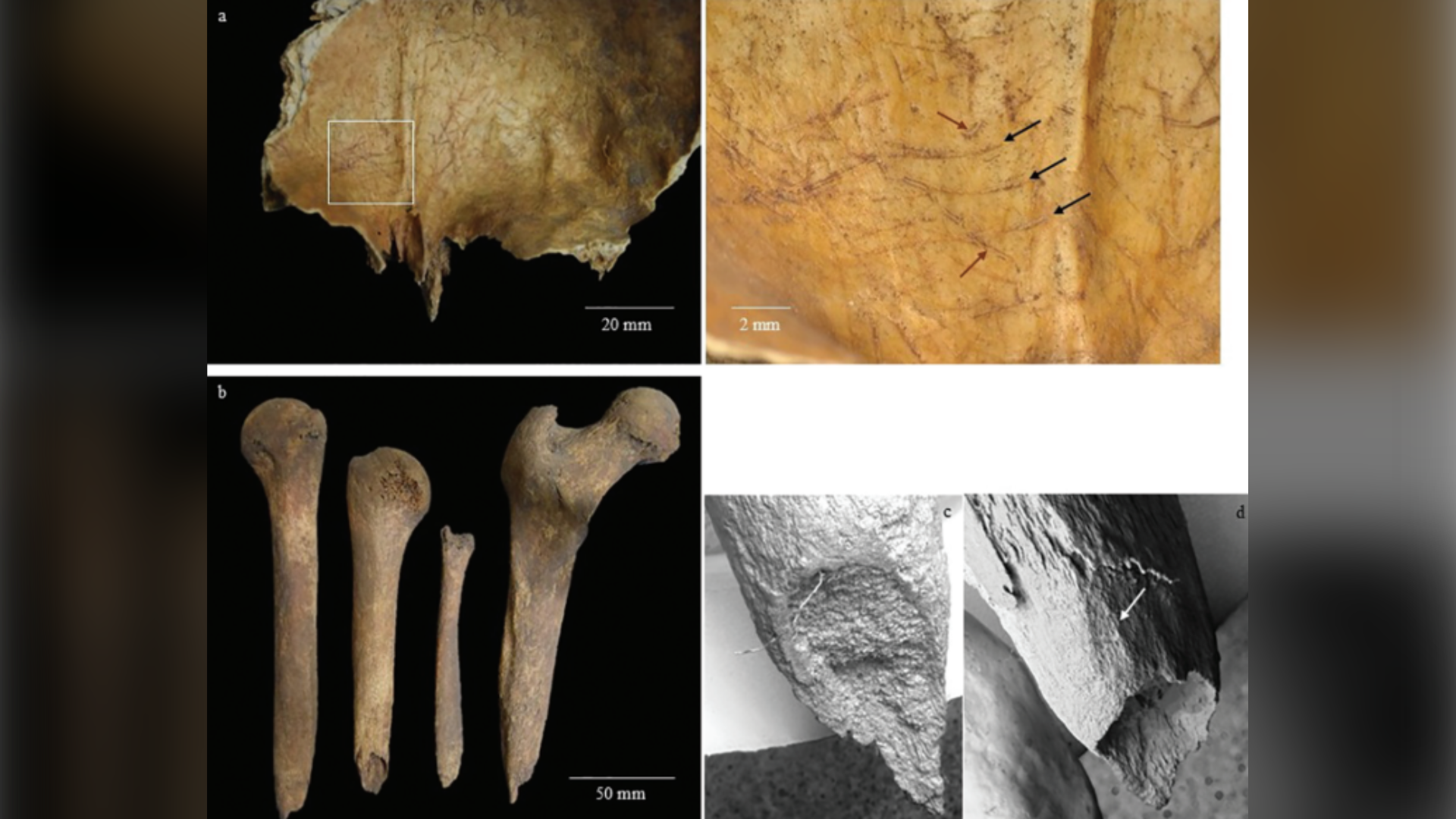
When the remains were examined, some unfamiliar postmortem changes to the bodies were revealed. Evidence suggests the adult female’s brain was removed and her long bones, such as the femur, were tapered towards the ends and carved into sharp points, possibly to be used as tools.
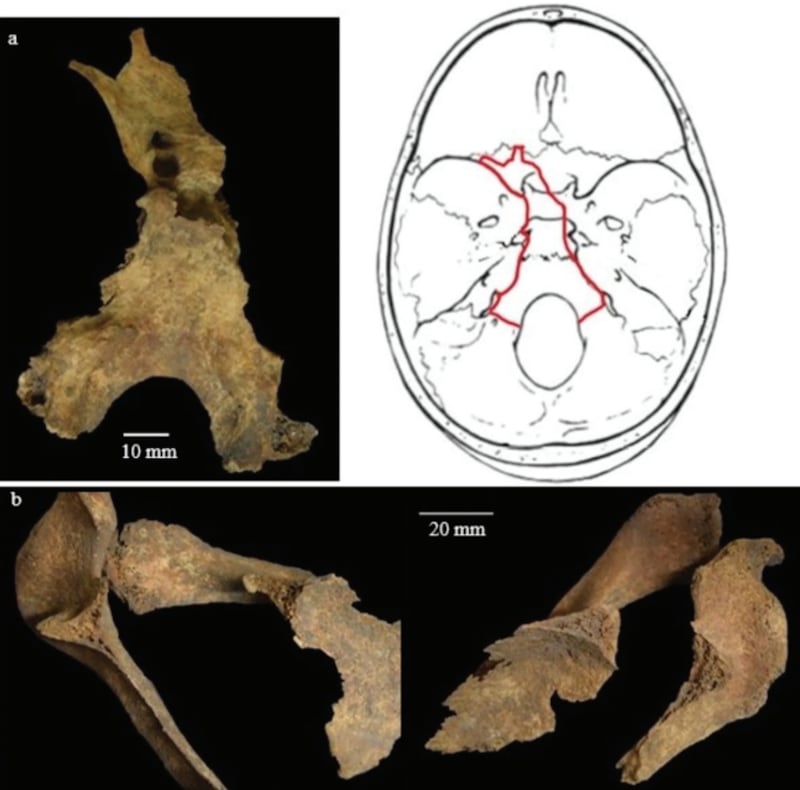
While researchers can’t definitively pinpoint why the brain was removed and the bones were carved, they have a theory about what the way they were buried could have meant.
“The motivation behind the extensive manipulation of the skeletal remains of (the female) is very difficult to interpret,” said Castells Navarro. “However, the care with which she was reassembled and deposited in the cairn possibly suggests she commanded a level of reverence and respect by her community.”
The research shows the Iron Age dead likely continued to hold significance in the world of the living, and not just in their immediate communities, but over long distances.
Ancient DNA and isotope analysis – which can determine geographic origin – found the male and female were likely second cousins, but even more surprising, they grew up about 80 kilometres from where they were buried. They also shared genetic connections with people up to 225 kilometres away. This reveals how mobile these ancient communities were, likely travelling by boat.
“Our research shows that prehistoric maritime communities periodically moved around the north coast and Northern Isles of Scotland, possibly in small groups,” explained Castells Navarro in the related press release. “This movement allowed for the spread and maintenance of cultural practices and traditions.”
Looking at the unfamiliar postmortem modifications and the evidence of wide-ranging mobility, researchers say an extra layer to British Iron Age social networks has been discovered.

