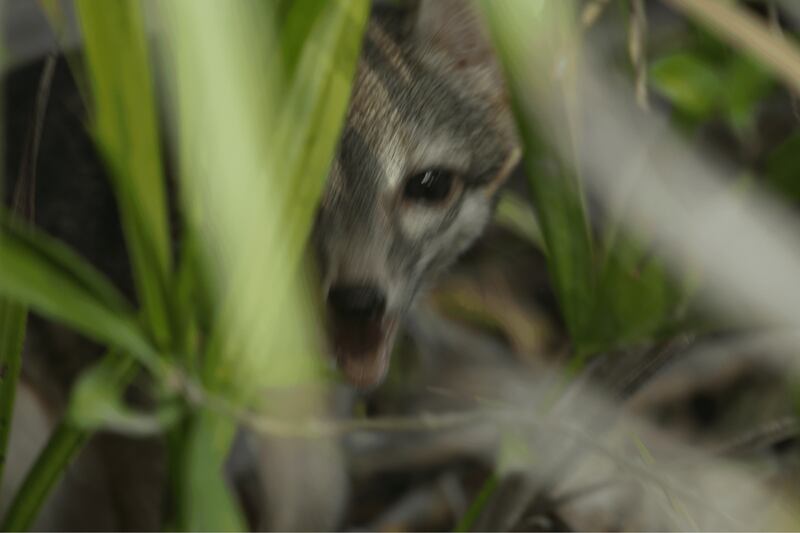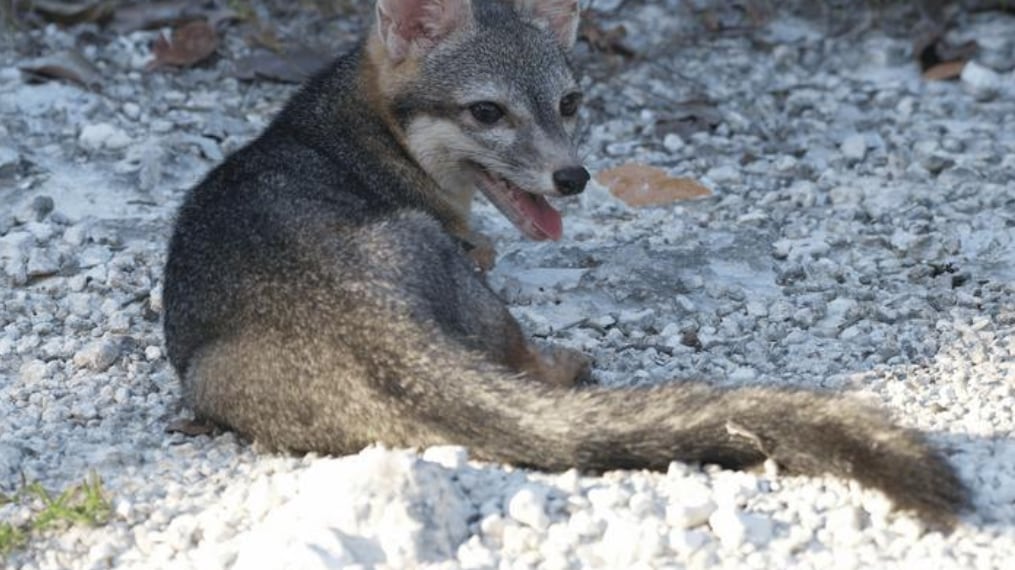
The first photos of a Cozumel dwarf fox have confirmed the survival of the rare species 22 years since its last confirmed sighting.
The fox has lived on the small Mexican island of Cozumel for thousands of years, according to researchers. Subfossil remains of the species were the only visual evidence of its existence before the rediscovery of the animal. Its last reported sighting was in 2001, researchers said.
The photos were published in the peer-reviewed Neotropical Biology and Conservation journal on May 4.
“The biggest challenge facing the Cozumel fox is that we still know almost nothing about it, including its remaining population size, distribution, or ecology,” said researcher Travis Bayer in a press release on Monday. “That uncertainty alone is dangerous, because it makes effective conservation extremely difficult.”
The public reported seeing a disoriented animal near the coastal highway, leading to the rescue of an adult male Cozumel dwarf fox on the morning of Sept. 14, 2023, according to the journal. The fox was held under observation and physically assessed before it was released three days later into the Laguna Colombia State Reserve, a protected area away from road hazards.
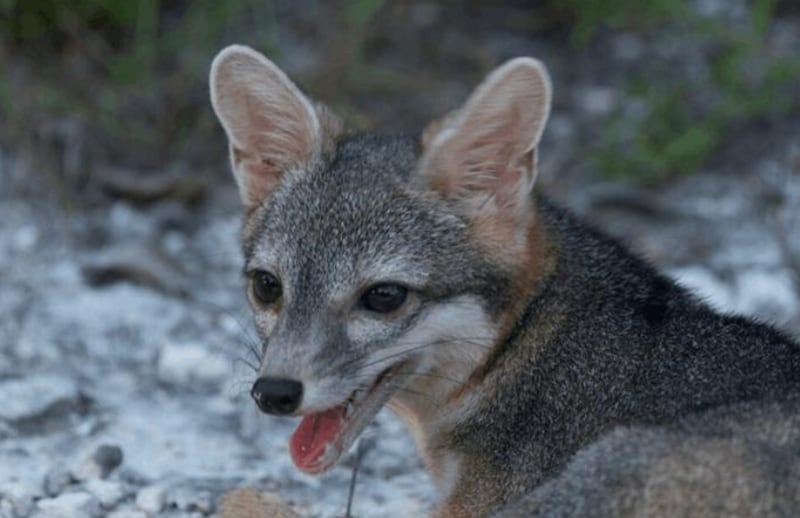
What is a Cozumel dwarf fox?
The Cozumel dwarf fox is one of the world’s rarest canids, or the dog family, researchers say.
Over its lengthy period of isolation, the Cozumel dwarf fox evolved to be smaller than its mainland relative, the grey fox. Researchers suggest it measures between 60 and 80 per cent of the grey fox’s size.
Subfossil remains suggest the species may have existed before early Mayan settlement. Researchers said its lengthy isolation led to its “insular dwarfism.”
Scientists believe the animal is critically endangered and even on the verge of extinction because its habitat is threatened by development, invasive species and natural disasters.