ISLAMABAD — The United States and Iran appear close to a deal to end the war and open the Strait of Hormuz.
Pakistan’s Prime Minister Shehbaz Sharif said Saturday that a deal aimed at ending the war in the Middle East is closer than “ever before” and expected to be finalized within 24 hours. Pakistan is preparing for the electronic signing of the agreement, followed immediately by technical-level talks next week.
U.S. President Donald Trump said the deal was “scheduled to get signed tomorrow,” and that the Strait of Hormuz would open immediately. But Iran’s foreign ministry spokesperson said no signing would occur Sunday and left the possibility open for the coming days.
Previous declarations of an imminent breakthrough failed to materialize.
Iran exchanged fire with the U.S. and Israel earlier in the week, threatening to push the region back into a full-scale war. The war launched by the U.S. and Israel on Feb. 28 has rattled the region and virtually shut down oil and natural gas shipments from the Persian Gulf. A fragile ceasefire has been in place since April 7.
- READ MORE: U.S. launches a second day of strikes on Iran and Iran fires back at Gulf States and Jordan
Here’s what to know:
A 60-day period would address Iran’s nuclear program
Iranian Foreign Minister Abbas Araghchi said Friday the terms of dealing with Iran’s nuclear program would be finalized in the 60 days after the initial agreement is signed and that the parties could decide to extend that period.
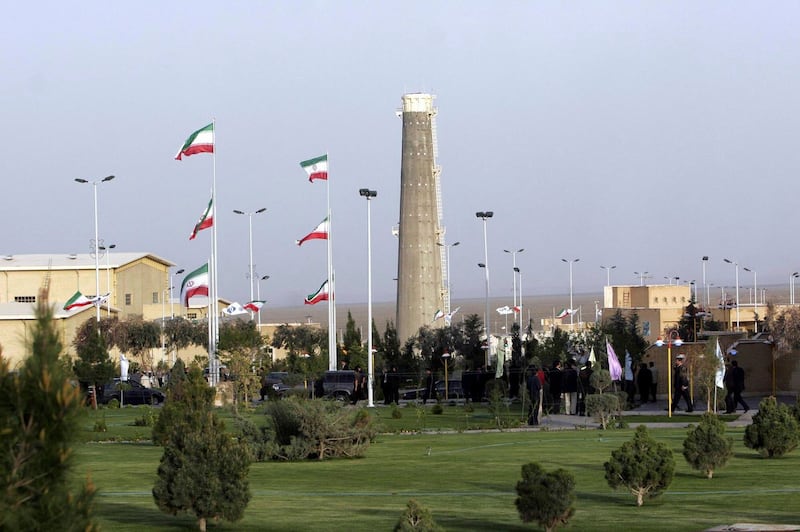
The U.S. and Israel fear Iran’s nuclear program could lead to an atomic weapon — a main reason their leaders cited for going to war. Tehran has insisted its nuclear efforts are for peaceful purposes.
A senior U.S. administration official, who briefed reporters on condition of anonymity under ground rules set by the White House, said Friday that the emerging agreement would begin the process of destroying or removing Tehran’s highly enriched uranium.
The official said the 60-day period after both sides sign the deal would be used to work out technical details for removing Iran’s enriched uranium. The official did not detail who the U.S. envisions taking charge of removing the uranium, believed to be entombed under three nuclear sites that were battered by American strikes last year.
The deal may include addressing reopening the Strait of Hormuz
The U.S. official said the emerging agreement includes provisions for reopening the strait.
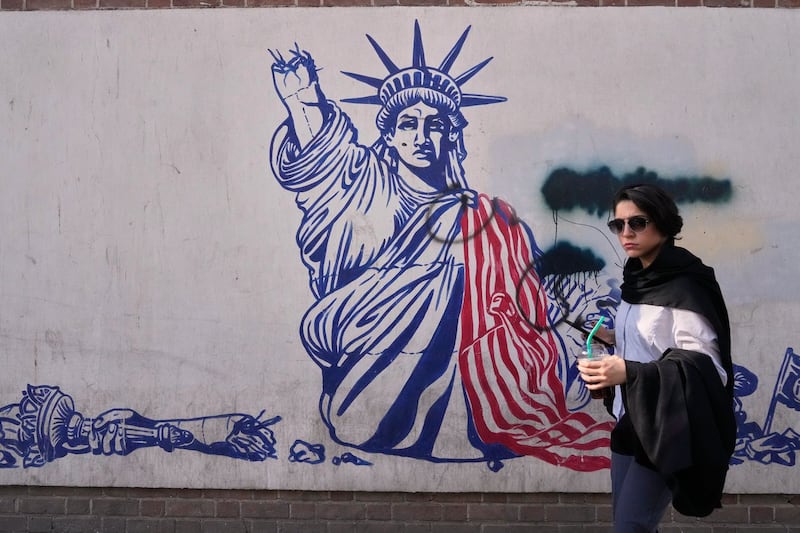
Araghchi said Iran wants a deal that allows Tehran to charge ships “for services rendered” when they transit the Strait of Hormuz. Iran has imposed a toll system during the war, which the U.S. and other nations say violates international law.
Transit through the Strait of Hormuz, a vital shipping lane for oil and natural gas, has been disrupted and crimped global energy supplies, driven up fuel prices and made food and other basics more expensive well beyond the region.
The agreement is set to include Iranian sanctions relief
Three regional officials said the emerging deal is also expected to include the phased lifting of sanctions on Iran and the release of frozen Iranian assets. The officials spoke on condition of anonymity because of the sensitivity of the negotiations.
They said they expect a signing ceremony for the agreement in the coming days after officials in Washington and Tehran approve it.
What will happen to Lebanon remains unclear
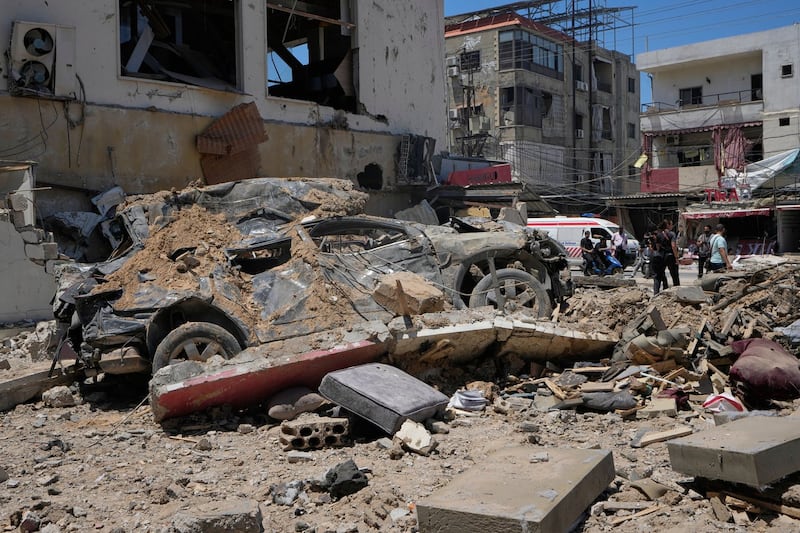
Iran has insisted throughout that any deal must also include a ceasefire in Lebanon, where Israel has been fighting Hezbollah, Iran’s proxy militia.
Israeli Defense Minister Israel Katz warned Friday that Israel could still act independently toward Iran and that the country would not pull out of the zones it is occupying in Lebanon, Syria and Gaza, nor would it withdraw from the northern refugee camps of the Israeli-occupied West Bank.
Fighting continued in southern Lebanon on Saturday.
Associated Press writers Munir Ahmed in Islamabad, Michelle L. Price and Aamer Madhani in Washington and Russ Bynum in Savannah, Georgia contributed to this report.

