Afua Hagan is a contributor to CTVNews.ca, focusing on the Royal Family. Based in London and Accra, Hagan is a regular commentator on the royals across a variety of international outlets, and is a leading voice on diversity in Britain.
Throughout history, royal women were almost never judged on their own terms. People often compare them, judge them, praise them, criticize them, and more often than not, pit them against each other.
This idea stands at the heart of Catherine Mayer’s important new book, Divide & Rule: Royal Women and Their Battles. From Anne Boleyn and Queen Elizabeth I to Diana and Catherine, Princess of Wales, and Meghan, Duchess of Sussex, Mayer sets out how society has forced royal women into narratives that reveal more about cultural values than the women themselves.
Mayer says that society often sees royal women as symbols for its hopes, fears and frustrations. This creates a repeating loop of comparisons that has lasted for centuries.
In her book, Mayer highlights what she calls “eerie similarities” in how royal women are perceived over time. The exact stories change, but the same patterns are always there. For years, people have felt pushed to pick sides. Diana or Camilla. Catherine or Meghan. The media around the monarchy tends to fuel this by setting up heroes and villains, winners and losers.
Mayer makes a bold comparison between Meghan Markle and Anne Boleyn. She claims both women were seen as outsiders bringing the hope of change but facing pushback at the same time. One powerful part of the book talks about a woman who was “a heroine to some, a hate figure to others.” Mayer explains how her supporters believed she could transform the monarchy, while her critics dismissed her as someone who didn’t belong. This description fits Meghan, but Mayer shows it matches Anne Boleyn just as well.
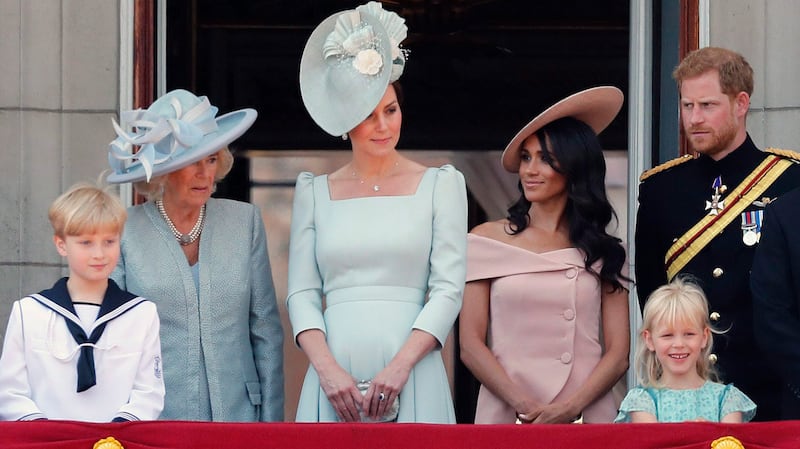
The weight of expectations
Whether people agree with this comparison or not, it leads to an important question. Why do certain royal women spark such intense opinions? The answer might rest in the weight of expectations. In history, the royal women who succeeded the most often represented continuity instead of challenging it. Mayer points out that “the safer path to popularity” is mastering the traditional role.
Catherine, Princess of Wales, seems to be a modern version of this idea. Her steady approach, sense of duty, and thoughtful handling of her public life have gained her much praise, and legions of fans. She is put on a pedestal, viewed as the best of wives and women in the Royal Family.
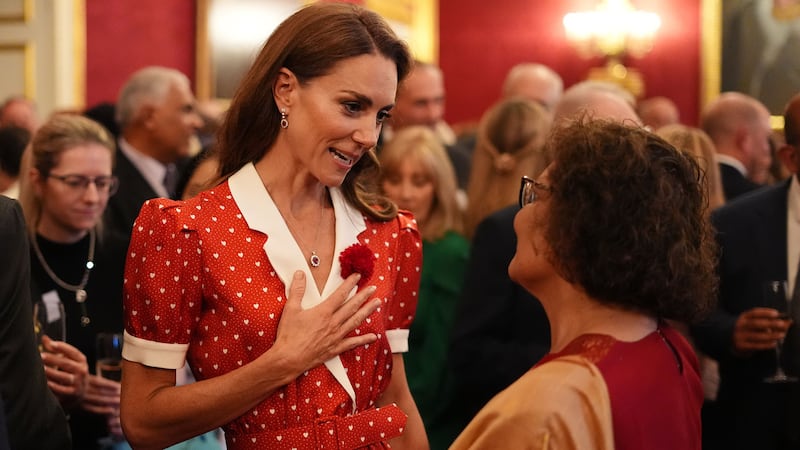
Her chapter in Mayer’s book is even called “Kate: ‘What Can’t She do?” Mayer writes, “Google her names (and of them) and newer results come back studded with the same trio of adjectives: ‘beautiful’, ‘radiant’, ‘perfect’.”
She goes on to say, “Her schoolmates recall her as ‘the perfect pupil’ while the book author, veteran royal correspondent Robert Jobson, detects not a single flaw in the adult woman. To him she exemplifies ‘the quintessential image of a picture-perfect princess’…”
Still, people often compare Catherine to Meghan. Over the last ten years, much of the conversation about Catherine has referenced Meghan in some way. What’s surprising is how these comparisons reveal very little about either woman. Instead, they show how society still tries to define women by creating competition between them.
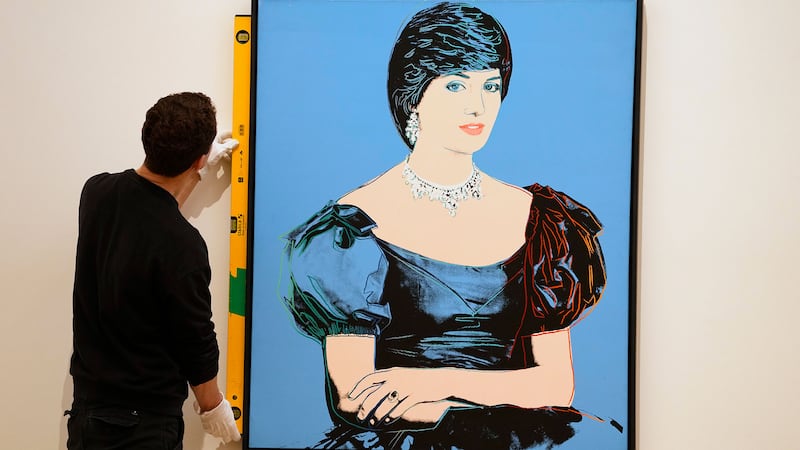
‘Meghan is no Diana’
This same pattern shaped how people saw Diana when she was alive. Many now remember her as a loved humanitarian and global figure. But before she died, parts of the media painted a very different picture of her. Mayer points out that Diana faced heavy criticism and hostility well before her death turned her into an almost legendary figure.
“Meghan has also been compared to Diana over the years. ‘Meghan is no Diana,’ a palace insider muttered to me recently. If this sentiment chimes with you, think about the venom directed at Diana,” Mayer writes.
“Remember the Sunday Mirror column about Diana that hit newsstands on the morning of her death. ‘It’s a pity Gucci don’t make designer face zips.’ Diana was no Diana either – until she could no longer speak for herself.”
We’ve seen this happen many times. A woman enters the Royal Family. At first, people see her as a refreshing change. Hopes rise. The scrutiny soon grows harsher. Every choice gets picked apart. Every mistake real or imagined, becomes proof for those looking to criticize. Over time, the woman herself fades, buried under the weight of the narratives others create about her. This is why Divide & Rule feels so important right now. The book doesn’t focus just on the monarchy. It explores how society talks about, judges, and often turns women against each other in the public eye.
As Mayer argues, the practice of “pitting women against each other damages not only them but all of us.” That observation extends far beyond palace walls.
From politics to entertainment to social media, women continue to find themselves measured against impossible standards and compared to one another in ways that men rarely are, and of course the press feed into and amplify that at every opportunity.
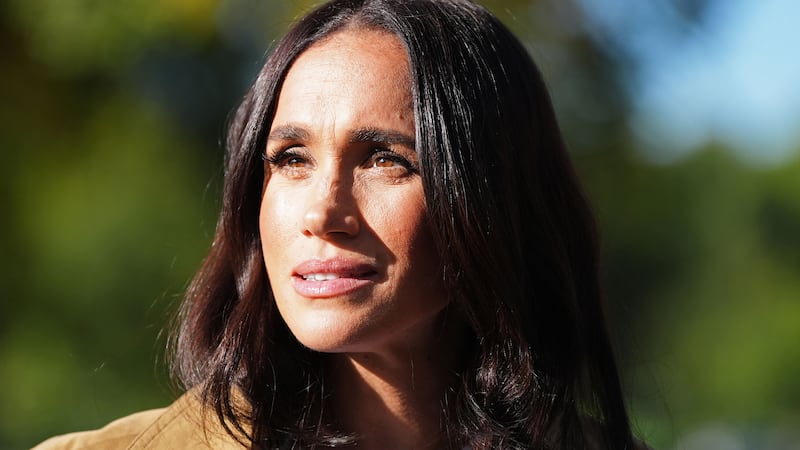
The monarchy may provide the most visible stage, but it is hardly the only one. Mayer writes, “I hope that this book helps to break the cycle that traduces royal women at the expense of all women, but the press shows little indication to change its spots, its embrace of Kate, Meghan and other female Windsors as vampiric as ever.”
As King Charles III leads the Royal Family and Prince William takes on more responsibility for the future, one question remains: has anything changed? Will the next generation of royal women get the chance to shape their own identities? Will they keep bearing the weight of fights that started long before their time? Mayer suggests the answer might not rest so much with the women but with whether society is ready to stop picking sides at last.
Anne Boleyn versus Katherine of Aragon? Elizabeth 1 versus Mary, Queen of Scots? Diana versus Camilla? Kate versus Meghan? You don’t have to choose.

