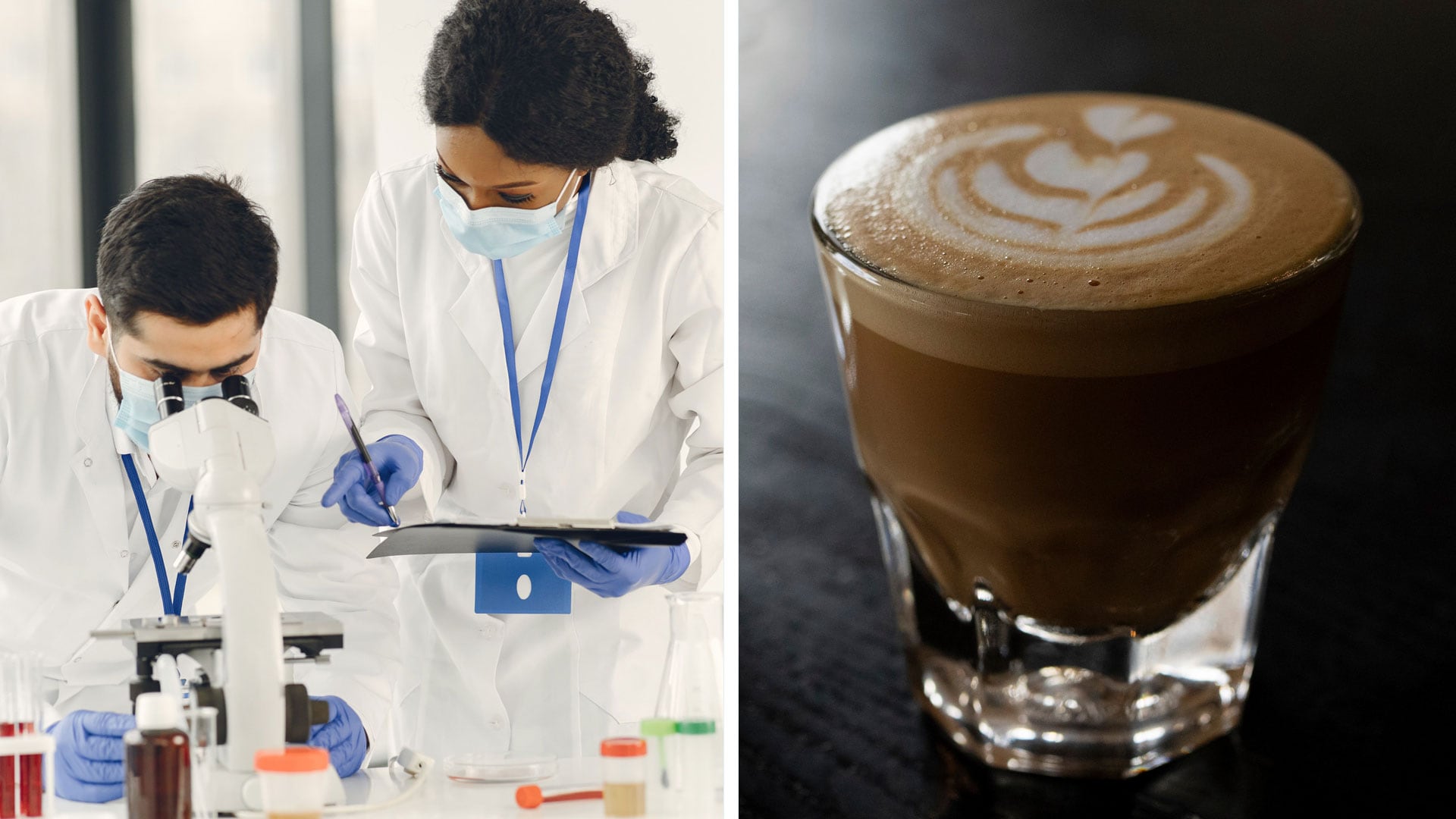
Researchers have developed a new brewing process that uses ultrasonic sound waves to make espresso.
Espresso is usually made by blasting hot water under high pressure through finely ground coffee beans. But researchers at the University of New South Wales (UNSW) in Sydney, Australia, found that they could make the bold-flavoured coffee using room-temperature water through the new method in under three minutes.
“We’ve invented ultrasonic espresso – an espresso with the same richness, the same boldness, but produced with sound waves,” said Francisco Trujillo, one of the researchers involved in the study, in a YouTube video posted by UNSW on June 8.
Trujillo and his team from UNSW developed a system using ultrasound, high-frequency sound waves that humans can’t hear, to help produce the flavour, aroma and concentration from coffee grounds. Their research was published in the Journal of Food Engineering on June 4.
According to Trujillo, this new method saves up to 75 per cent of energy consumption, compared to normal espresso machines.
“So this is a great alternative to produce such a rich and bold beverage with lower energy consumption,” said Trujillo, a senior lecturer at the school of chemical engineering at UNSW.
A key finding was the taste of the ultrasonic espresso. In blind taste-testing experiments, 100 regular coffee drinkers found no difference between the researchers’ ultrasonic room-temperature espresso from the traditionally brewed coffee shots.
Using this new process, a traditional filter basket was transformed into an ultrasonic reactor to brew the coffee beans.
“The basket generates high-frequency sound waves that help extract flavour, aroma and body from the coffee grounds,” according to a UNSW press release published June 8.
Researchers said the new system could be developed into an automatic coffee machine for consumers and could be significant for major commercial producers.
In 2024, Trujillo had discovered another way to produce cold brew coffee – also using sound waves. Cold brew coffee typically takes 12 to 24 hours to make, but Trujillo’s ultrasonic version took as little as three minutes and tasted similar to the original.

