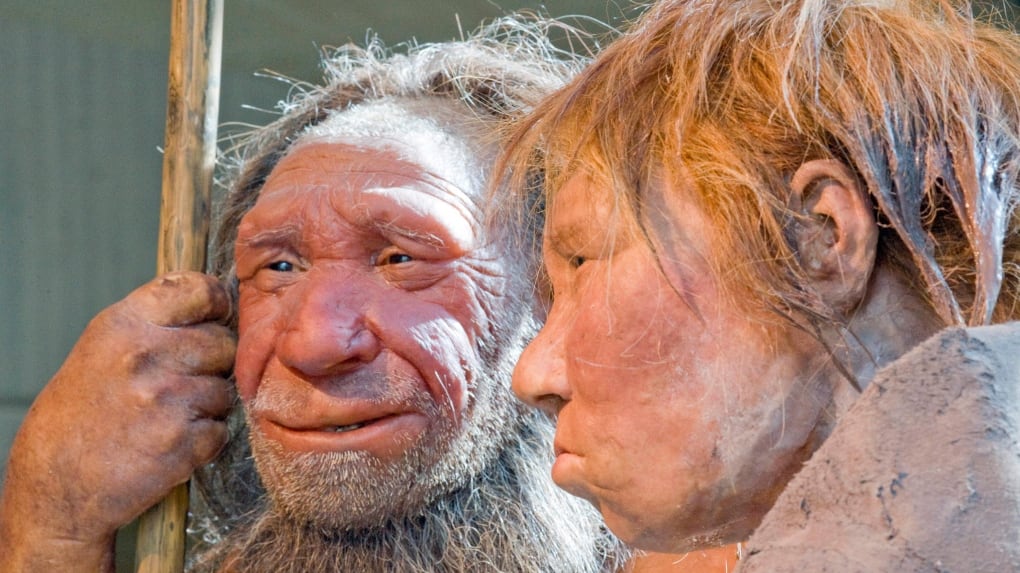
While there is lots of mystery around the extinction of Neanderthals, new research suggests that a population in Belgium was healthy and thriving before it died out.
The study, published in Nature, found this particular population that lived throughout the Meuse Basin – which includes Belgium and France - had healthy levels of genetic diversity and no signs of inbreeding. Two-thousand years later, members of this group still went extinct.
“This population in Belgium and France does not seem to be dying out, even though we know that they will die out in the end,” Benjamin Peter, a UCLA computational geneticist and one of the paper’s authors, said in a release.
Neanderthals are an extinct population that lived in Eurasia until around 40,000 years ago. Their interbreeding with modern humans is one theory – along with climate change and resource competition – behind their disappearance.
However, the population that was the focus of the study was found to be well-connected with partners who weren’t closely related.
Peter said similar to what we see in some present-day endangered species, earlier Neanderthal populations were interbreeding with close relatives, which resulted in unhealthy levels of genetic diversity.
Researchers studied DNA extracted from the bones of 27 individuals who lived between 49,000 and 40,000 BC in the region. They found there were no close relatives among any of the individuals sampled, up to third-degree relatedness. That’s similar to the amount of DNA shared between first cousins.
“I think the most interesting finding we made is that these Neanderthals are genetically relatively healthy, with no strong signs that there was inbreeding depression,” said Peter. “It’s also interesting that we didn’t find evidence that they have ancestry from anatomically modern humans, even though we know that at least they must have overlapped in time.”
While Neanderthals moved to different parts of Eurasia to find suitable living conditions, the study also found that western Europe at the time was a favourable place for them to be.

