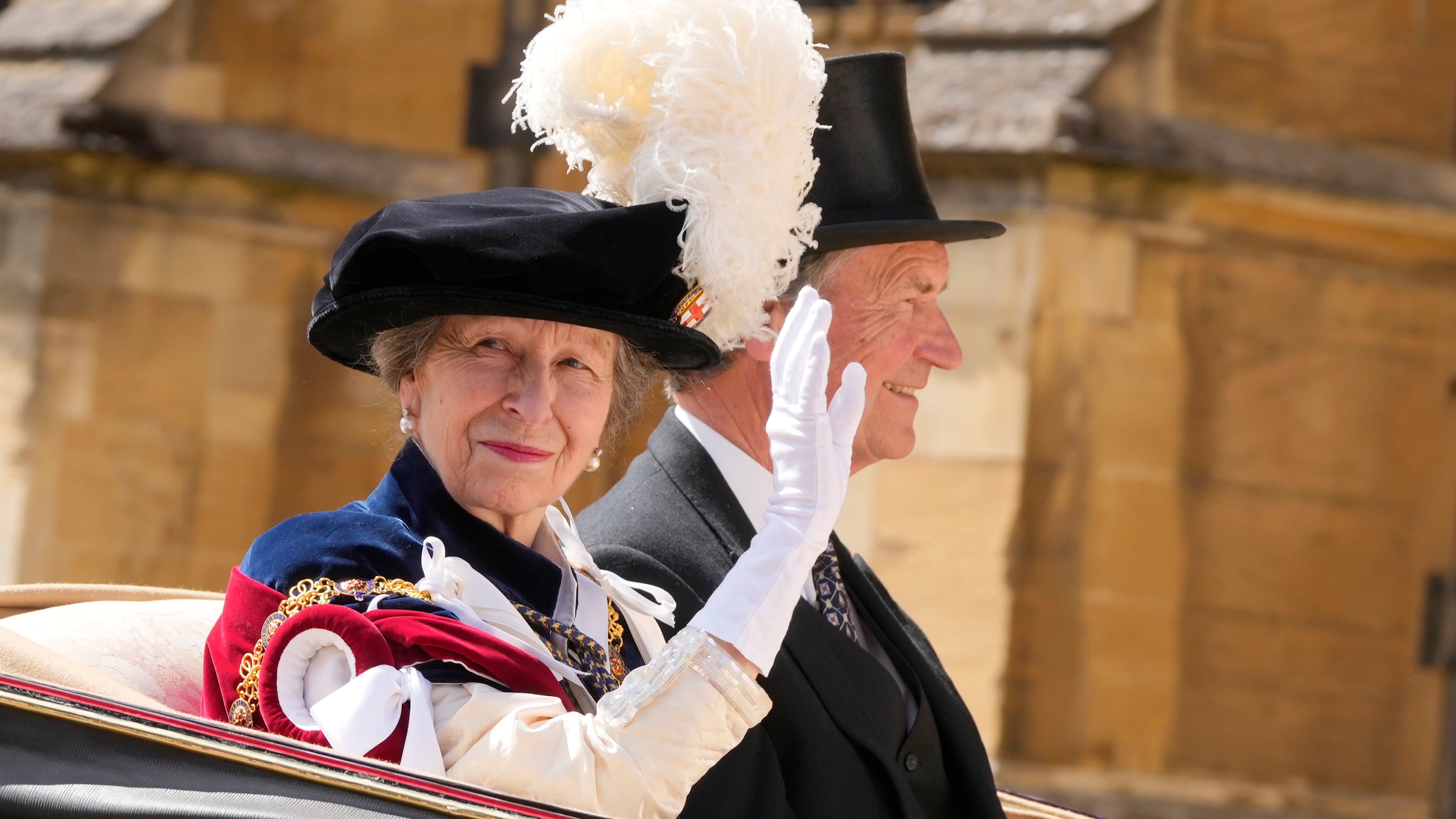
Princess Anne said the 110th anniversary of the Battle of the Somme recalled “the responsibility to remember”, as she marked one of the deadliest battles of the First World War which saw particularly heavy British losses.
“As time passes, and the Great War slips further into history, the responsibility to remember falls more clearly upon us,” said the sister of King Charles III during a ceremony at the Thiepval Memorial to the Missing of the Somme in northern France.

“Our duty is not only to honour sacrifice but to ensure that its lessons are neither forgotten nor taken for granted,” added the princess, who is the president of The Commonwealth War Graves Commission (CWGC).
The 141-day Battle of the Somme was the bloodiest of the First World War, starting on July 1, 1916, as Allied forces -- mainly British -- aimed to relieve pressure on the French by attacking the Germans around the Somme river.
The battle is the deadliest in Britain’s history, with 20,000 dead or missing in just the first hours, and 40,000 wounded.
When it was over in November that year, the Allies had advanced only a few kilometres.
John Ruddick, 77, and his sister Winifred, 79, from Carlisle in northern England, attended Tuesday’s ceremony in memory of their uncle Edward Ruddick, who was killed on the first day of the battle at the age of 21.
“His body sadly was never found,” they said, speaking together.
The siblings have travelled to Thiepval every year for the past decade to honour their uncle, whose name is on the memorial.
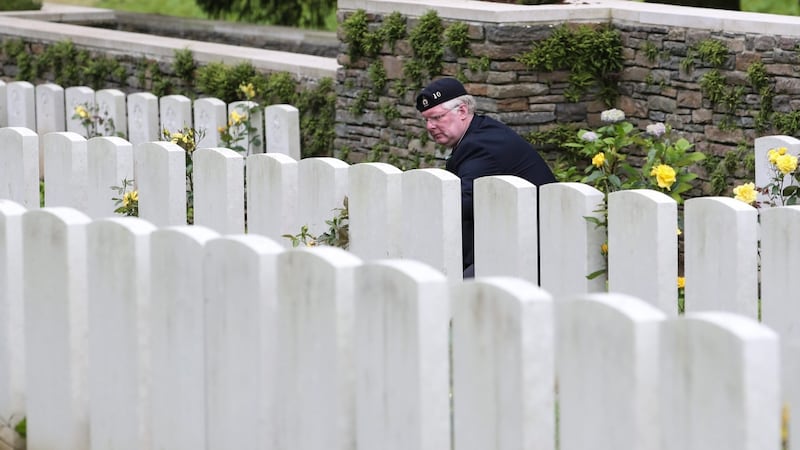
“We still have family members... coming to see these places, not just here in France, but around the world, where their family forebears died for their country,” CWGC vice president Peter Hudson told AFP.
The Battle of the Somme was a tragedy not only for British, French and German troops, but also for soldiers from across what was then the British Empire, including from South Africa, Australia, Canada, New Zealand, Ireland and India.
Built in 1932, the imposing brick arch at Thiepval commemorates 72,337 missing British and South African servicemen who died between 1915 and 1918 in the Somme region and who have no known grave.
Renovated between 2014 and 2022, the site welcomes several hundred thousand visitors every year, including many school groups from across the Channel.

