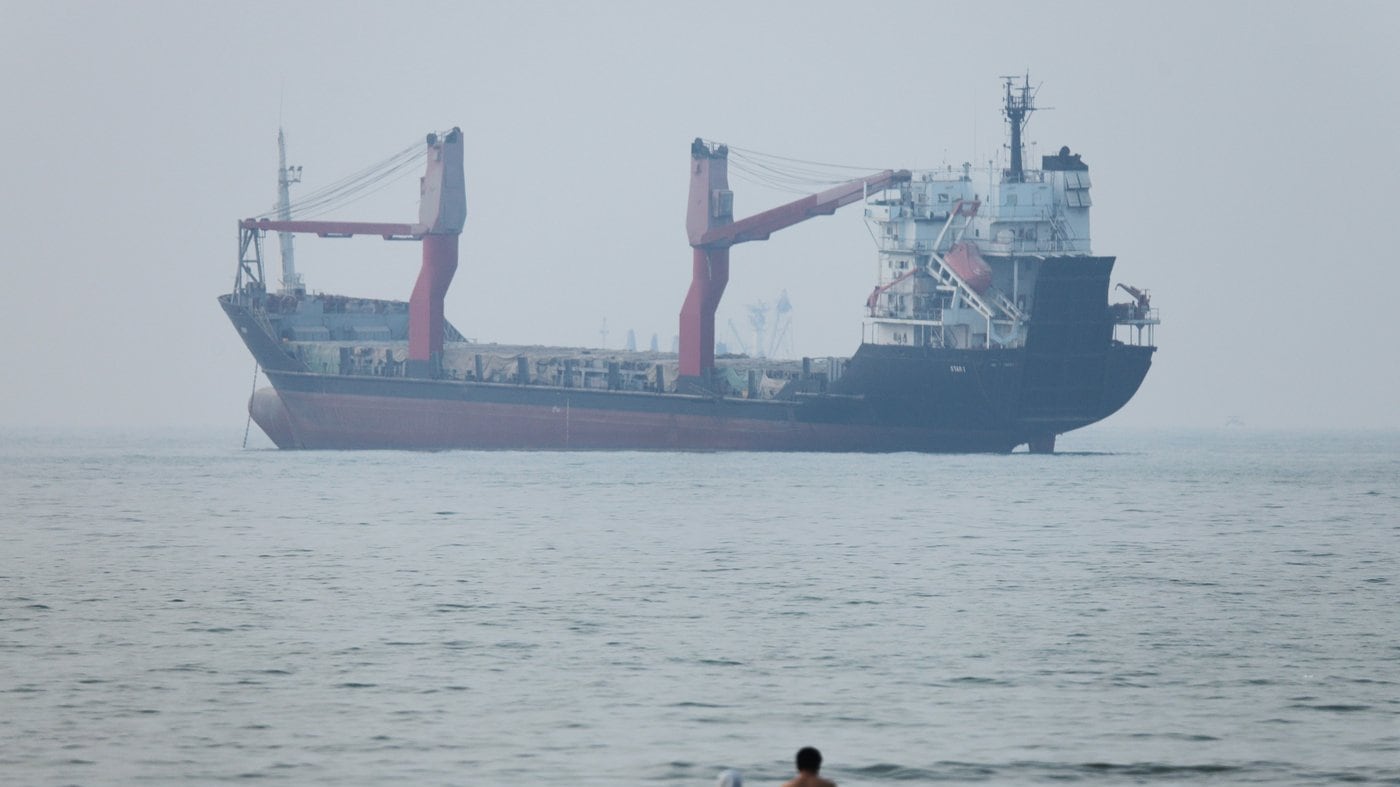
Iran’s ambassador to China insisted Saturday that new fees would be charged to ships transiting the Strait of Hormuz -- an idea rejected by Washington -- while assuring that “friendly” nations would receive special treatment.
The initial deal struck between Iran and the United States to end their war stipulated that commercial ships would transit the strait free of charge for 60 days, but it remains unclear what will be in place after that period.
Iranian Ambassador Abdolreza Rahmani Fazli told the World Peace Forum in Beijing that his country was working in “collaboration and cooperation” with Oman on “new arrangements” for the vital waterway.
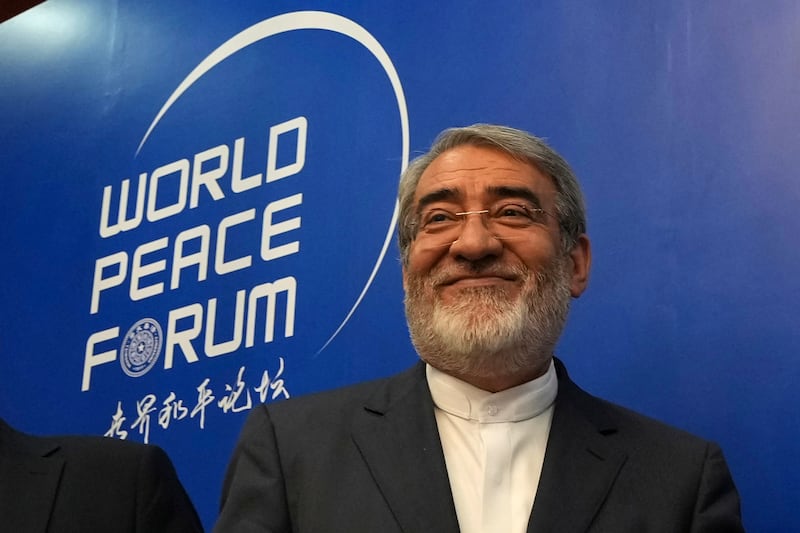
“As a country where the Hormuz is part of its territorial waters, we will definitely charge service fees,” Azli said in translated remarks, while insisting such fees would not be a “toll.”
“These new arrangements will be concerning guaranteeing the security of passage through the Straits of Hormuz, supervision of the passage of the vessels... and also guaranteeing and dealing with the environmental consequences of the massive number of ships,” he said.
“We will definitely consider special treatment for the countries that were friendly to us and specially stood by us during the hard times,” he added.
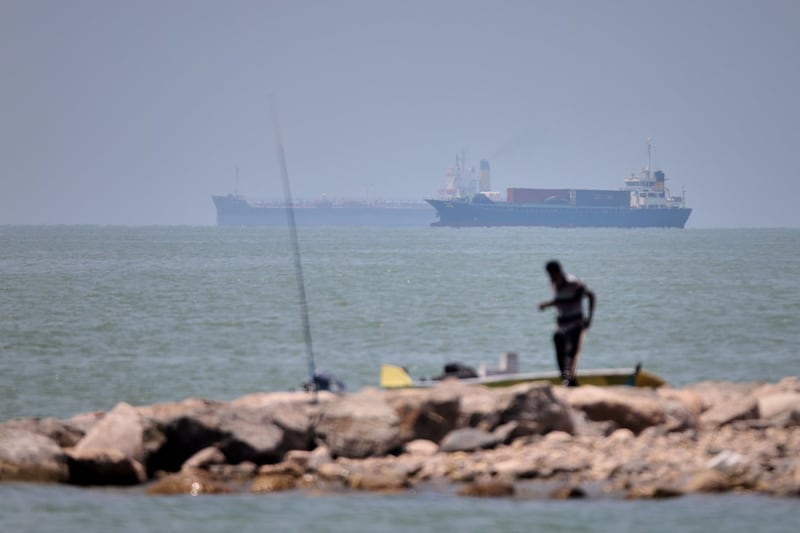
The strait normally carries one-fifth of the world’s crude oil and liquefied natural gas, but it was all but closed by Iran during the Middle East war, sending energy prices soaring.
Iran lifted its blockade of the Hormuz after it struck an initial deal with the US to end the Middle East war, and negotiations on a permanent settlement of the conflict are ongoing.

