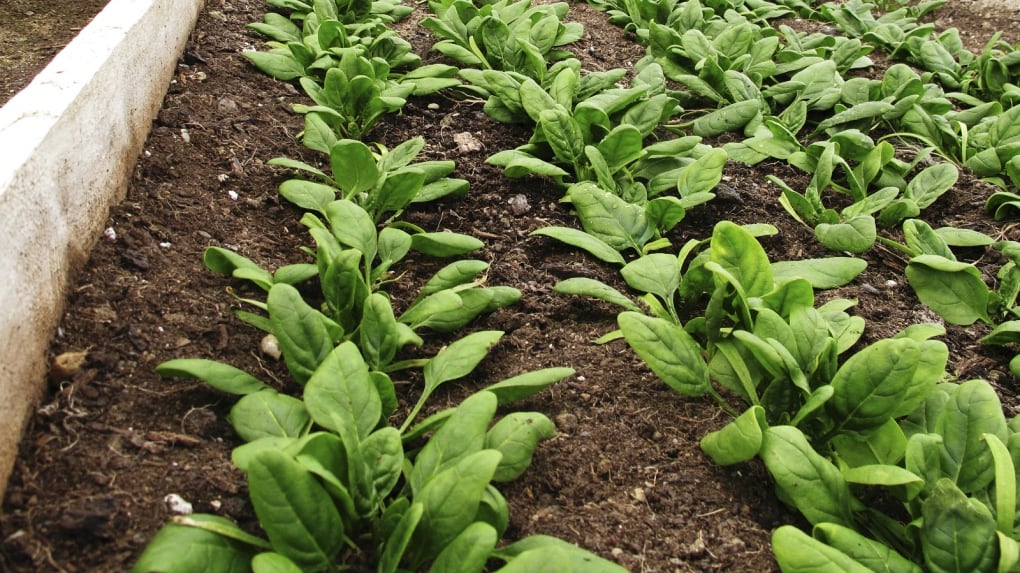
Popeye the Sailor Man’s love of spinach is more than a cartoon gag, according to new research that connects leafy greens to healthier lungs.
The research, conducted by Austrailia’s Edith Cowan University and published in the The American Journal of Clinical Nutrition, determined that vegetables rich in vitamin K1 like spinach and kale can lower the risk of chronic lung disease.
“Just one extra serve of leafy greens like kale, about one and a half to two cups a day, is an achievable way to boost your vitamin K1 intake,” researcher Chengfeng Li said in a press release. “Eating more leafy greens is a simple step that could help support lung health over time.”
Study subjects who ate the most K1-rich greens were less likely to develop chronic obstructive pulmonary disease (COPD). About two million Canadians live with COPD, according to the Lung Health Foundation.
The disease usually appears in people more than 55 years old, according to the Public Health Agency of Canada. Cigarettes are the cause behind 80 to 90 per cent of COPD cases, the agency says. Otherwise, pollutants like dusts and fumes including coal, grain, and other industrial byproducts can contribute to patients developing COPD.
Impact of vitamin K1
The study looked at 179,000 adults over a decade, tracking how the amount of K1 in a subject’s diet affected lung function and the likelihood of developing COPD.
Study subjects with the highest level of K1 in their diet were 16 per cent less likely to develop COPD against those subjects eating the least K1. The researchers also found those with high levels of K1 in their diet had generally stronger lungs, holding and moving more air through them.
“Vitamin K likely activates a protein that protects the lungs’ elastic fibres - the tiny structures that let your lungs expand and contract,” study co-author Marc Sim said in a press release.
“When these fibres break down, breathing becomes harder over time. This nutrient may help keep lung tissue flexible and prevent damage.”
Meat, eggs, and dairy also have a form of vitamin K, called vitamin K2. Researchers found that a high K2 diet did not positively affect COPD risk.
The study authors suggested that vitamin K2 might help with COPD, but the food its found in, primarily heavy protein animal products and dairy, could cancel the K2 benefit.
Leafy greens can help reduce COPD risk, but smoking remains the largest contributing factor, according to both the researchers and Health Canada.
“The biggest thing you can do for your lungs is to quit smoking and reduce your exposure to environmental pollution,” Li said. “But a healthy diet may still play a supporting role by counteracting some of the damage caused by these harmful factors.”

