

A sprawling heat dome expected to settle over the western United States this weekend is forecast to expand into parts of western Canada, bringing several days of unusually hot weather and increasing concerns about wildfire conditions across the Prairies.
A large area of high pressure is expected to develop during one of the hottest periods of the year in the U.S., pushing temperatures well above seasonal values across parts of the Rockies and northern Plains before extending north of the border.
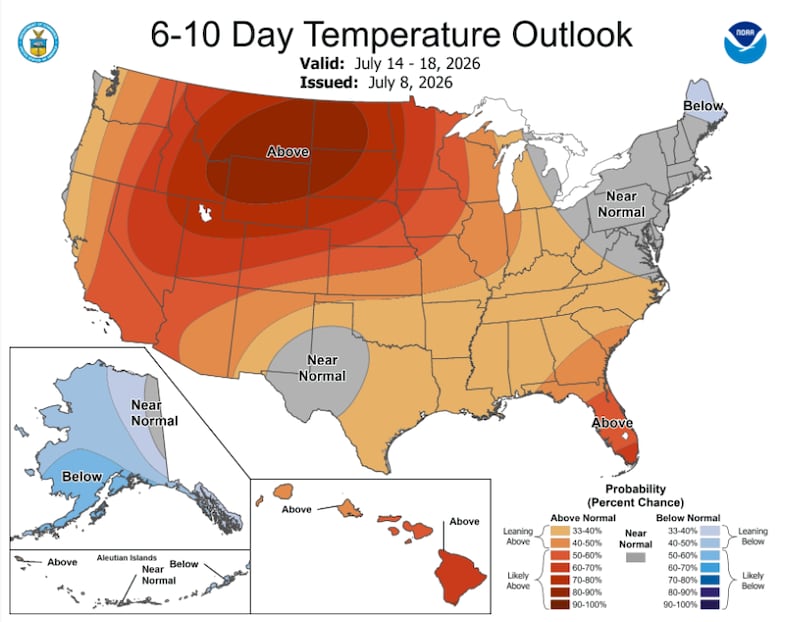
In an interview with CTVNews.ca, retired Environment Canada’s senior climatologist David Phillips said Canadians have already seen how the weather pattern can spread beyond the U.S.
“It’s like putting a lid over a large section of geography, and this time it’s going to be over the western part of the United States and it’s going to again seep into Canada.”
Phillips noted southern Prairie communities are expected to feel the greatest impact, saying the event is notable because many Prairie regions have not experienced prolonged heat since a brief warm spell in late May.
“All week next week looks like lots of sunshine, warm temperatures... temperatures that could be five to seven, in some cases maybe even reaching 10 degrees warmer than it should be for this time of the year.”
The pattern follows an early July heat wave that affected parts of Ontario, Quebec and Atlantic Canada before shifting westward.
Chief meteorologist Kelsey McEwen told CTVNews.ca the developing weather pattern marks a dramatic change from how July began across Canada.
“We had a really hot July in the eastern half of the country and cooler than average temperatures in the West, and that’s about to do a total flip-flop as we head toward the middle of the month.”
She said the same high pressure system driving the U.S. heat will also influence Canadian weather.
“Weather doesn’t know international border. So, that same high pressure sits over Western Canada as well.”
The system is expected to push the jet stream farther north, allowing warmer air to build over Alberta and parts of Saskatchewan while cooler than normal conditions develop in parts of Northern Ontario.
Wildfire concerns
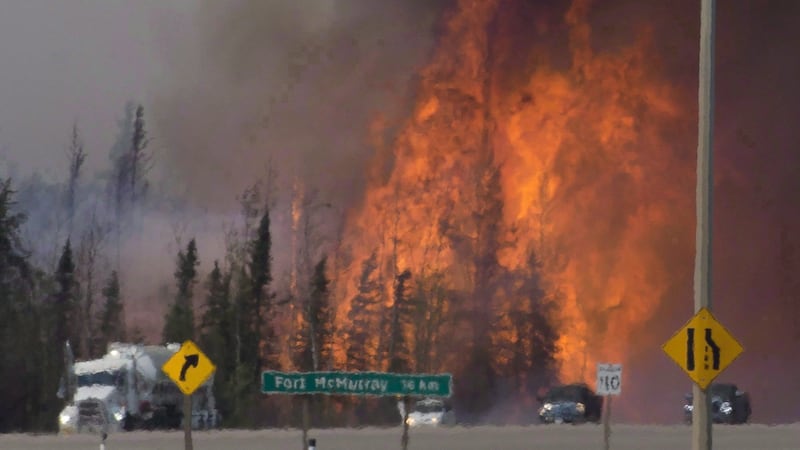
McEwen said the prolonged stretch of hot, dry weather could create additional challenges in regions already dealing with active wildfires.
“That high pressure will mean sinking air, which further enhances the temperatures to a higher degree, plus, it inhibits cloud development and therefore inhibits rain. So this does become problematic for areas already that are quite dry.”
She noted the expected heat will be the first sustained period of summer-like temperatures for some western communities this season.
Health officials typically recommend staying hydrated, limiting strenuous outdoor activity during the hottest part of the day, seeking shade or air-conditioned spaces when possible and checking on older adults, young children and others who may be more vulnerable to heat.
Canadians can monitor the latest watches and warnings through Environment and climate change Canada weather alerts.

