A problematic parasite often linked to certain fruits and vegetables that’s driving an explosive outbreak in the U.S. has caught the attention of Canadian public health officials.
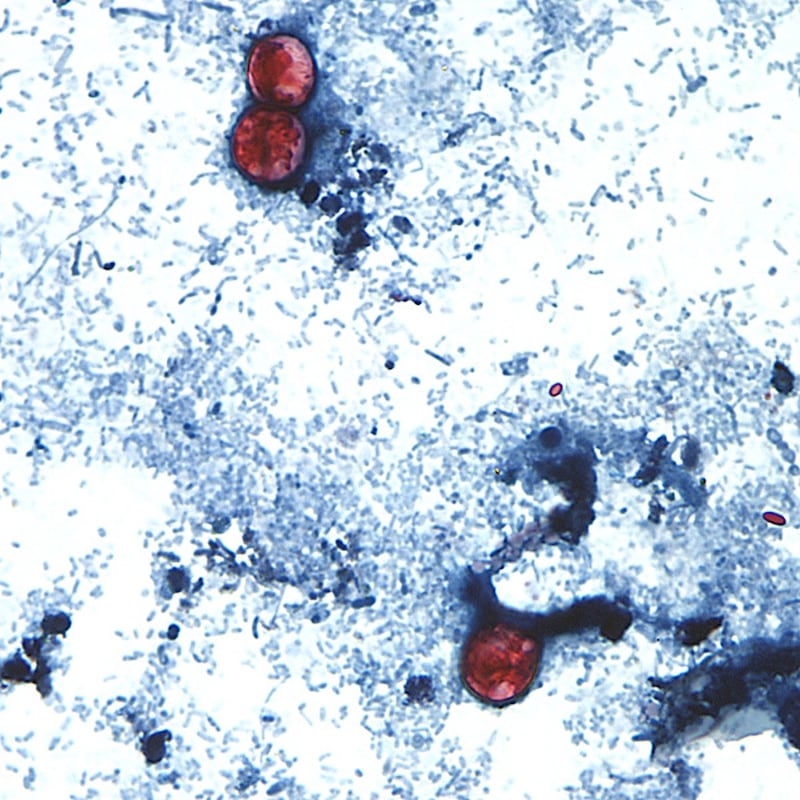
It’s called cyclospora, the microscopic bug can’t be seen by the human eye, but it can be found on raspberries, strawberries. lettuce, cilantro, basil, green onions and snow peas, just to name a few.
Contaminated water used on crops and a lack of adequate washroom facilities for workers farming fields has previously been linked to the cyclospora.
“Symptoms can include diarrhea and explosive diarrhea,” says University of Guelph Food Safety Professor Lawrence Goodridge.
Unlike typical food poisoning, cyclosporiasis symptoms can lead to prolonged stomach issues that can last a month or even longer, in some cases patients will believe they’re through the worst of it and then a relapse takes place.
While there is no known outbreak currently in Canada, summer travel season is in full swing. Until the source of the contamination is identified, Lawrence advises Canadians heading south of the border to avoid eating fruits and vegetables from South and Central America, the Caribbean as well as Southeast Asia and Africa.
Public health officials in Ohio say that as of this week, 177 cases have been confirmed. Just across state lines, Michigan is reporting 1,251 cases, with dozens of people hospitalized. Typically, Michigan only sees about 50 cases per year.
The Center for Disease Control (CDC) in the U.S. says it’s monitoring roughly 150 additional cases across 17 states. Though health officials believe the numbers are much higher, the confirmed cases are only from those who’ve gone to their doctor or local hospital.
Even more troubling, the source of the current outbreak has yet to be identified by health officials in the U.S.
Health Canada watching closely
CTV News reach out to Health Canada to ask if they’re tracking any cases north of the border. In an email, a spokesperson shared “The Public Health Agency of Canada is not currently investigating any Cyclospora outbreaks in Canada.”
Though with imported fruits and produce regularly crossing the border, Canada is at risk of facing a similar outbreak if U.S. health officials can’t identify the cause soon.
“It’s always a possibility that we could see cases in Canada linked to this outbreak, that’s why it becomes a race to try and find the actual source of contaminated food,” says University Health Network Infection Control Director Dr. Susy Hota.
Compounding the issue, approximately one year ago the CDC rolled back its “FoodNet” program that conducts surveillance for foodborne pathogens.
The program used to track 10 pathogens. Now it only tracks two. Surveillance of cyclosopra was cut from the program, according to Goodridge.
“In an outbreak like this, the cutbacks mean we really don’t have a true sense of what’s going on, with respect to the number of people who are sick and the foods that may be causing such widespread illness,” says Goodridge.
The parasite can be located in the small crevices found in fruits and vegetables, which means you can’t simply wash it away in your kitchen sink.
“Even washing your fruit and produce with a little bit of friction doesn’t always eliminate these kinds of contaminations, so if you live in an area affected by this outbreak you may want to limit eating certain types of fresh produce that typically are linked to these outbreaks,” shares Dr. Hota.

