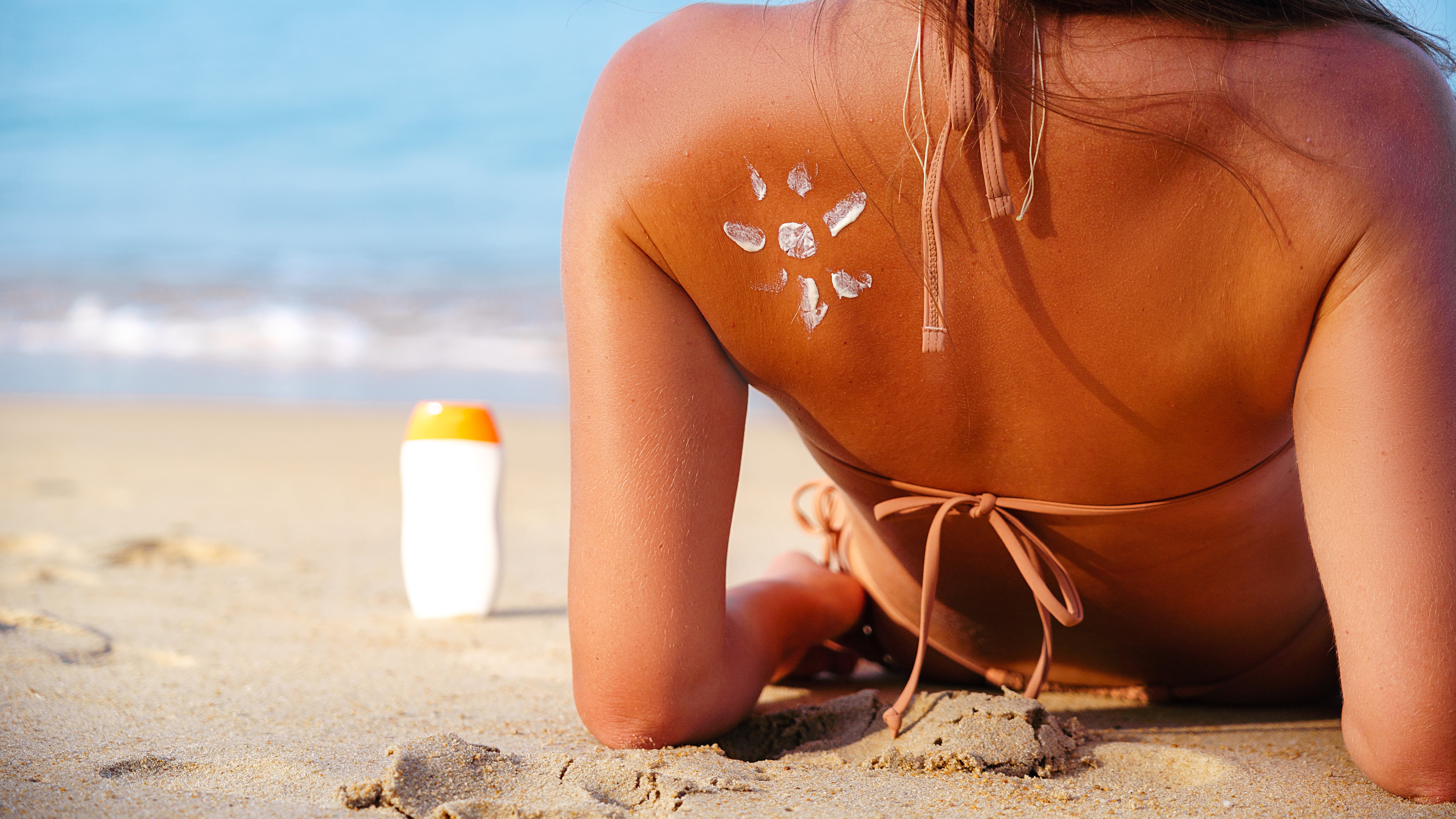
As sun tanning makes a comeback this summer, an expert warns against following social media trends to get that sun-kissed look.
In an interview with CTV Your Morning on Wednesday, dermatologist Dr. Panteha Eshtiaghi advised against searching for areas or best times of day with the highest UV index to get a deeper tan.
“The UV index is actually the measure of the strength of the ultraviolet radiation we get from the sun at a certain time and place,” she said. “It’s a measure of how strongly it can impact us.”
Videos on TikTok show Gen Z users sunbathing by a pool as they talk about the products they use to get a deeper tan and why they try to be outside during times of day with the highest UV index.
The index, Eshtiaghi explained, ranges from zero to 11.
“Three is the number you’re looking for to start protecting yourself, even on a cloudy day,” she said.
A tan is often mistakenly described or seen as healthy, glowing skin, but Eshtiaghi says the opposite is true.
“A tan is damaged skin,” she said.
When skin is exposed to ultraviolet radiation, it increases its pigmentation.
“Think of it like a cast on your skin, but it’s a very fragile cast,” she said. “It’s actually a heralding sign of sun damage.”
Avoid homemade sunscreen: expert
Another trend making the rounds on social media is homemade sunscreen, which Eshtiaghi also advised against.
“There is so much science and time with scientists and chemists that go into making a sunscreen that mixing a few kitchen ingredients is not going to cut it,” she said.
She dispelled the notion that sunscreen could cause a vitamin D deficiency, act as an endocrine disruptor or be poisonous.
“A lot of people are not actually using sunscreen to an extent where it blocks 100 per cent of the UV rays,” she said, adding that a safer way to get vitamin D is through diet and supplementation.
It’s not the first beauty fad the dermatologist has seen and it won’t be the last.
“Beauty trends on social media are cyclical,” she said. “In a day and age where we care so much about making our skin look great ... the cheapest thing you can do for your skin is protect it.”

