TORONTO — When the mercury begins to rise, Jeffrey Siegel sinks into a routine.
Windows facing the east are covered in the morning before those in the west are shrouded in the afternoon, his fan gets switched on, more of his cooking moves to the barbecue and a clothesline is brought out whenever there is laundry to dry.
These summer habits help keep his house cool, delivering relief to the University of Toronto civil engineering professor — and his wallet.
“On a day when I hear most of our neighbours using their air conditioner, we can usually last another day or two without the air conditioner by making really active use of those passive strategies,” he said.
Siegel’s strategies are just a few examples of how Canadians can reduce electricity bills, which tend to soar when summer’s sweltering heat kicks in and people look to air conditioning for comfort.
To balance staying cool with tamping down on costs, experts recommend starting with steps like Siegel’s because they’re usually easy and affordable.
That often means dressing in light colours because they absorb less heat, blocking out the sun with curtains or blinds, minimizing how much you use appliances that generate heat, such as dryers or ovens, or timing when you switch them on to evenings, when it’s cooler.
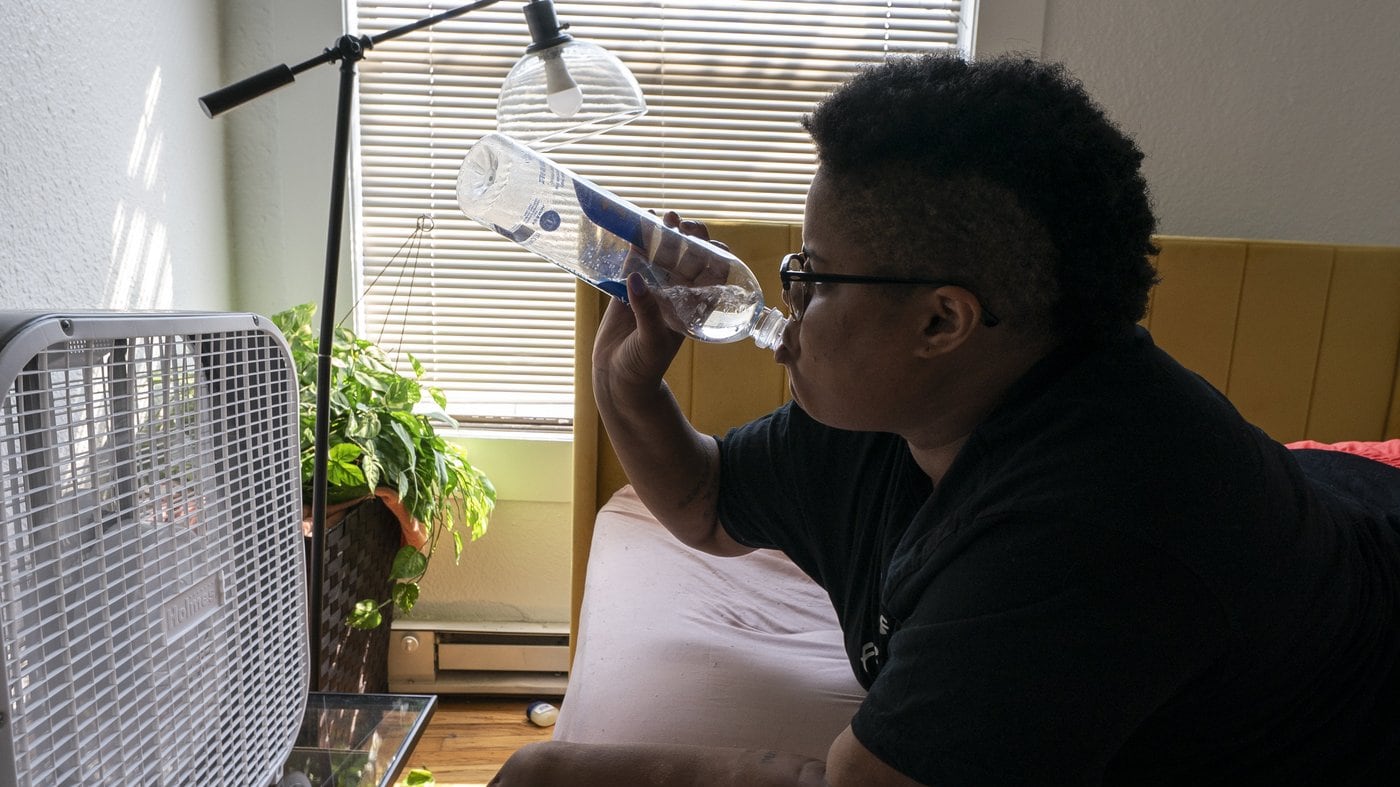
Turning down air conditioning and using ceiling or other fans that promote air flow and aren’t very costly are also a big help, said Robert McLeman, a professor of environmental studies at Wilfrid Laurier University.
During the daytime, when the air outside is hotter than inside, point your fan so the air blows out of the room you’re in and thus, cools you down. At night, when it tends to be warmer inside than outside, switch the direction, he said.
If you’re at home and lucky enough to have a basement, he recommends spending more time there.
“I often sleep down there on hot days, so we don’t have to crank the air conditioner to keep the bedrooms cool,” he explained.
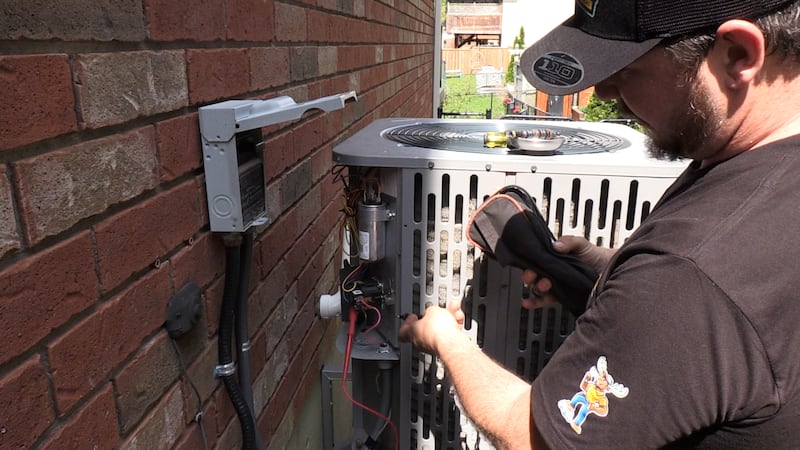
If you’re still seeking relief, once you’ve completed all these steps, turn to your air conditioning, if you have one, experts say.
The biggest savings often come from resisting the urge to lower your home’s temperature further. That’s because the harder an air conditioner is working to cool your place, the more electricity it’s expending and thus, more electricity you’ll be paying for.
McLeman suggests finding savings by figuring out what is the highest temperature your household finds comfortable in the summer by raising your thermostat incrementally each day and then stopping at whatever your threshold winds up being.
“In many cases, it’s the humidity that’s the real troubling part of these heat waves, so if we can even reduce that humidity by a little bit, often it’s surprising how warm your house can be and still feel comfortable,” he said.
Siegel agrees that every degree you can raise the temperature by has a huge benefit to you, but there are caveats.
While some tolerate heat well, the elderly, pregnant and many people with health conditions or pets generally need lower temperatures. Studies have also shown heat waves trigger an uptick in hospitalizations and deaths.
“We all complain about the heat, but some people are really susceptible to it, so it’s important to manage that risk,” Siegel said, recommending consulting a doctor if you’re in doubt about what temperature is best for your health.
While some people recommend shutting off or turning down the air conditioning whenever you leave the house for the day, McLeman said that doesn’t always deliver savings.
If there’s only a couple of degrees difference between the temperature outside and inside, it’s not a bad idea.
But if it’s 35 C and humid outside and much cooler outdoors, he thinks it’s probably more expensive to pause your air conditioning when you’re not home.
“Your house is going to heat right up to those ambient temperatures and there’s going to be a lot of humidity building up in your house, so the amount of energy required to get it back to comfortable temperatures when you come home might cost you more than actually just kind of running it gently in the background,” McLeman said.
If you don’t have air conditioning or you don’t want to blast it, visit public spaces like a grocery store, library, mall or even the office.
“If you work from home some days a week, picking the days you don’t work from home can be a big, big way of taking advantage of someone else covering the air conditioning,” Siegel said.
This report by The Canadian Press was first published July 16, 2026.
Tara Deschamps, The Canadian Press

