Nearly 1,000 wildfires are burning across Canada right now, the majority of them sparked by lightning, and many considered out of control. Ottawa has sent more than 5,000 fire personnel and 300 water bombers and other aircraft to help battle the fires and evacuate communities.
But according to one climate expert, it’ll take more than that to get them under control.
“These fires are so intense that you almost can’t fight them,” said David Phillips, senior climatologist with Environment Canada. “You almost have to move people away from the fire zone and even water bombers can’t do it.”
Phillips said the solution may be the weather itself.
“Weather caused many of them; weather has to put them out.”
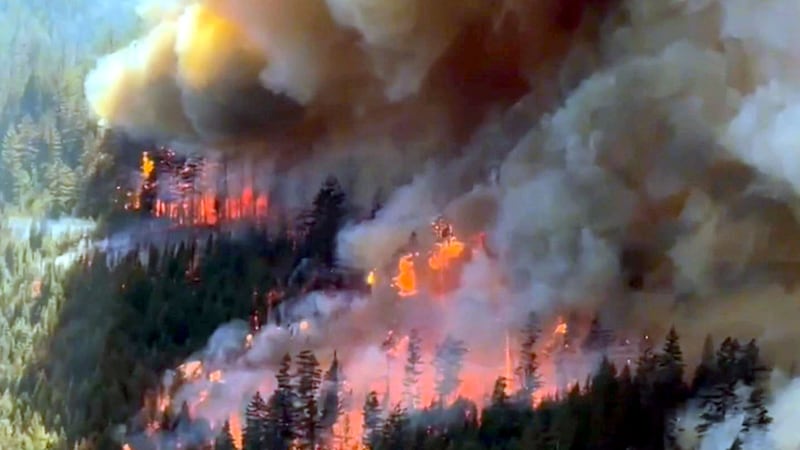
In British Columbia, roughly 115 wildfires are burning. But Ravi Parmer, the province’s minister of forests, praised crews on Monday for keeping the majority of them contained.
“Ninety per cent of our fires were contained within five hectares and if you look at the response, we are responding quickly, efficiently and attacking these fires when they start,” Parmar said.
While forest fires are part of the natural ecosystem in many parts of Canada, climate change means summers are warmer and vegetation is drier, making fires more extreme.
“We have had bad fire seasons in the past, but we have bad fire seasons more often now because of climate change,” said David Martell, a professor emeritus of forestry at the University of Toronto.
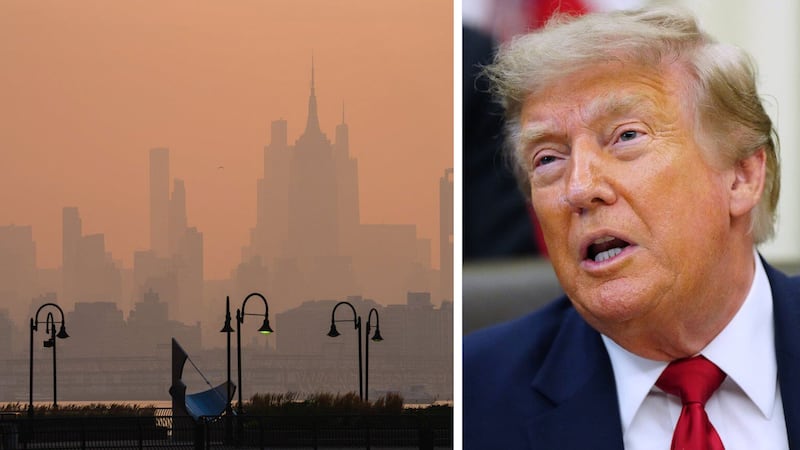
While 2023 remains the most destructive fire season in Canadian history, the last few weeks have been devastating for many communities. Thousands of people have been forced from their homes, and air quality has been impacted in major cities across North America. U.S. President Donald Trump has even accused Canada of improper fire management.
“There’s no truth whatsoever to (that),” Martell said. “We know how to manage forests, and we know how to manage fire.”
Martell notes that every fire that occurs cannot be extinguished, since many are located in remote areas and are too large to be tackled by fire rangers.
“(Ontario) is dealing with more than 150 fires,” said Martell. “Many of them were lightning-caused fires, and they’re burning under challenging weather conditions in very flammable forest vegetation.”
Canada is not alone in struggling to contain wildfires, with several of them raging in the United States as well. Over the weekend, officials in B.C. issued air quality warnings over wildfire smoke drifting into the province from fires burning in neighbouring states.
“Much of this smoke is originating from fires south of the Canada-U.S. border, in Washington and Oregon,” the B.C. Wildfire Service said in a statement.
Experts say the biggest contributing factor to intensifying forest fires is climate change, which is not only making conditions hotter and drier, but also stretching what had historically been a relatively short season.
Still, there are things communities can do to better protect themselves. That could include building fire breaks, clearing flammable debris from forests along the perimeter of town and constructing homes with fire-safe material.

