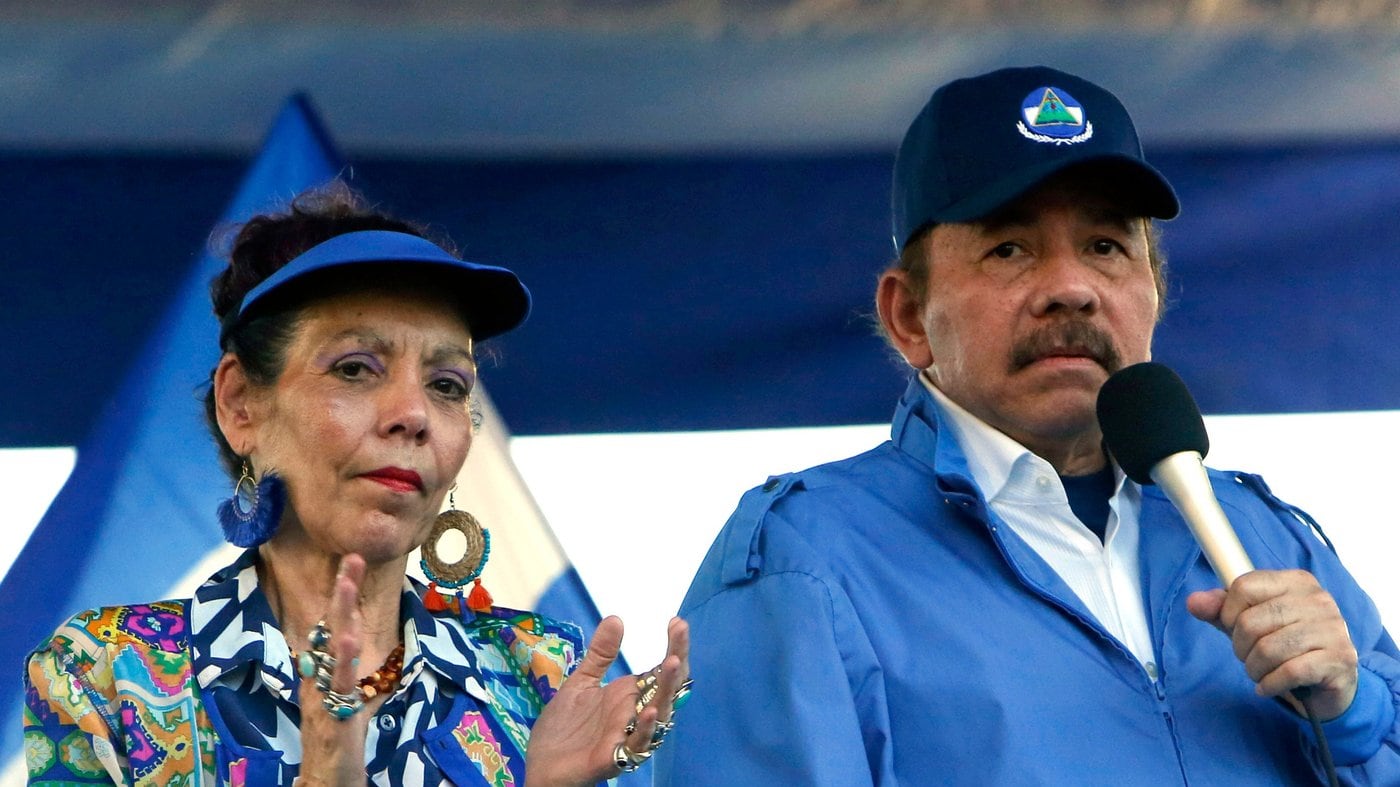
Nicaragua’s legislature will vote next month on whether to exclude opposition parties from running in elections as requested by President Daniel Ortega, an official said Wednesday.
Ortega, a former leftist guerrilla in power for almost two decades, had announced on Sunday that “there won’t be elections in Nicaragua” including dissenting individuals and groups.
Discussions regarding the measure in the National Assembly and Supreme Electoral Council start on Wednesday.
“It is us Nicaraguans who decide when and how we will do our elections,” National Assembly president Gustavo Porras told government-aligned news outlets, explaining that the initiative will be transformed into law.
Electoral authorities will define the “elements to not leave even a crack” in elections to prevent “the terrible manipulation of the empires and their lackeys,” Porras said, in reference to opposition parties.
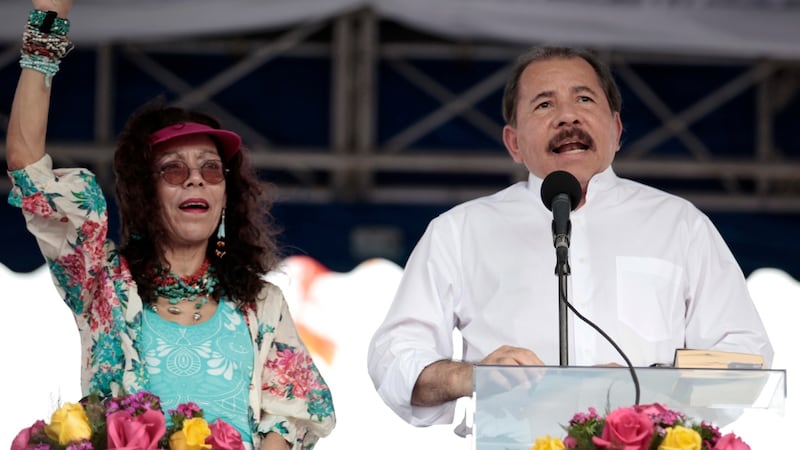
Ortega, 80, accused opposition parties during his Sunday speech of being “sellouts” working for the United States. His government will create laws to “put a wall against them, an obstacle for the coup-mongers,” he said.
Around 300 people were killed in massive anti-government protests in 2018. The crackdown ignited an exodus of thousands of Nicaraguans, while the government jailed hundreds of opponents.
Nicaragua was due to hold general elections in November, but a year and a half ago constitutional reforms extended the presidential term from five to six years, meaning the elections are now scheduled for 2027.
The reforms also granted Ortega’s wife, Rosario Murillo, the role of co-president.

