Researchers have developed a new method through blood tests that could be a breakthrough in helping identify early signs of Alzheimer’s disease.
In a paper published earlier this month in the medical journal JAMA, researchers determined that higher levels of a protein called “p-tau217″ were associated with an increased risk of Alzheimer’s.
“What we wanted to ask in our study was: ‘What does this marker in the blood tell us about later life cognitive impairment?’” lead research author Dr. Rachel Buckley told CTV Your Morning in an interview Wednesday.
Through research compiled from 2,700 participants across six different studies, Buckley said her team found that older adults with elevated p-tau217 levels in their blood had a 38 per cent higher likelihood of developing Alzheimer’s in the next five years.
However, Buckley said the test is only beneficial for patients who already have cognitive symptoms, as it could help confirm a diagnosis, adding that the test would be redundant for those without symptoms.
“The p-tau217 (test) wouldn’t give (doctors) any different recommendations, they would still tell you ... be active, have a good diet, get good sleep all of those good things. What’s good for the heart is good for the brain,” she explained.
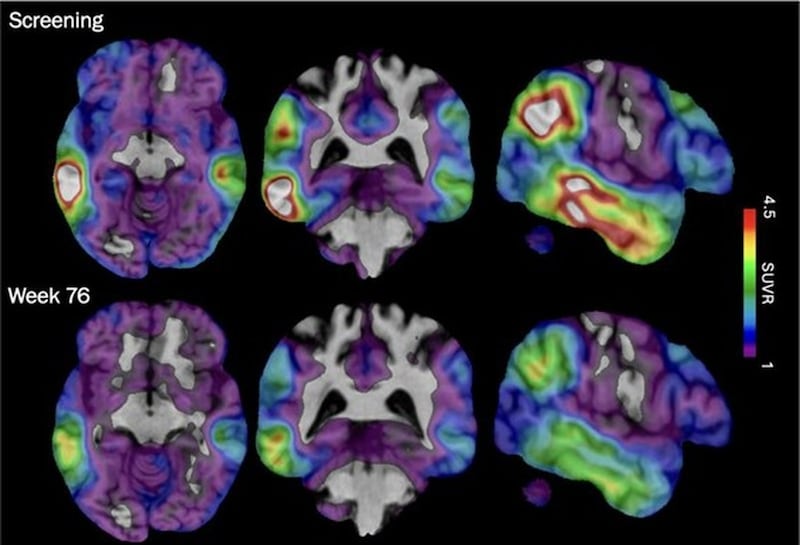
She said there are currently Alzheimer’s prevention trials which are testing if the disease can be cleared ahead of time, before it becomes debilitating. She said if the trials are successful, then the p-tau217 blood test becomes more valuable, as it will allow doctors to begin pre-emptive care before the disease takes root.
An experimental drug called Diranersen was approved in the United States earlier this month, with early results suggesting the drug can help slow early Alzheimer’s by targeting proteins that are connected to the disease’s development, which slowed cognitive decline.
About 750,000 Canadians are living with Alzheimer’s or another form of dementia, according to Statistics Canada. As the population ages, that number is only expected to go up, as no reliable cure has yet been developed. It was the ninth leading cause of death for Canadians in 2022.
“Right now, we do not have treatments, but I’m hopeful and very optimistic that over the next 12 to 18 months, that story is going to change,” Buckley said.
With files from The Associated Press.

