
JERUSALEM — The security camera pointed at the entrance of Channel 12’s Tel Aviv headquarters captured the attack in all its simple brutality. A masked man ran toward the glass door of Israel’s most-watched television channel and shattered it with a brick.
“Next time, the brick will be aimed at one of your heads,” read an anonymous letter left at the scene, naming dozens of public figures. The letter included a warning: “In the end someone will die.”
Tuesday’s attack was at least the third act of vandalism against an Israeli media outlet within a month and the latest in an escalating pattern of threats, graffiti and intimidation aimed at journalists, unfolding less than three months before Israel’s October elections.
“Someone who throws a stone at a glass door will throw it at a person’s head,” said Channel 12’s main anchor Danny Kushmaro earlier in July. “Someone will die,” he warned.
Journalists’ organizations, opposition leaders and media outlets are pointing directly to Israeli Prime Minister Benjamin Netanyahu and his political allies, who routinely accuse mainstream media of bias and even aiding Israel’s enemies.
That hostile rhetoric, critics say, has helped create the conditions for violence, both to intimidate reporters ahead of the vote and, they fear, to lay the groundwork for disputing the result should Netanyahu lose.
The October vote is shaping up to be one of Israel’s most contentious in years, held against the backdrop of the war triggered by the Oct. 7, 2023 attacks and questions over whether Netanyahu, Israel’s longest-serving prime minister, can extend his hold on power.
Earlier in July, masked attackers smashed the entrances of both Channel 12 and the left-leaning newspaper Haaretz in two separate incidents. In May and June, threatening graffiti appeared near Channel 12’s offices and outside the home of a prominent journalist, warning they would “pay with the blood of (their) loved ones.” In November and December, graffiti sprayed near the Channel 13 studios said, “The blood of the traitors is yet to be broadcast.”
Beyond vandalism, individual journalists known to be critical of Netanyahu have faced protests outside their homes, had critical billboards erected bearing their faces and street confrontations filmed and circulated by pro-government activists.
One of the activists, Mordechai David, a 26-year-old known for confronting journalists and opposition figures, has previously been embraced by key coalition members such as far-right National Security Minister Itamar Ben-Gvir.
A common thread running through many of the threats, including the letter left at Channel 12’s door, is a demand for an apology tied to coverage of the Sde Teiman affair, in which Israeli reservists were accused of alleged sexual abuse of a Palestinian detainee at a military detention center.
Channel 12 broadcast leaked footage of the case in August 2024. That reporting led to criminal charges against several reservists, while the leak eventually resulted in the resignation of the army’s top legal officer.
Right-wing politicians and commentators, particularly on the pro-Netanyahu Channel 14, framed the affair as a “blood libel” against the military. Under pressure from these right-wing figures, the case was closed by the new military advocate-general, citing evidentiary and procedural flaws.
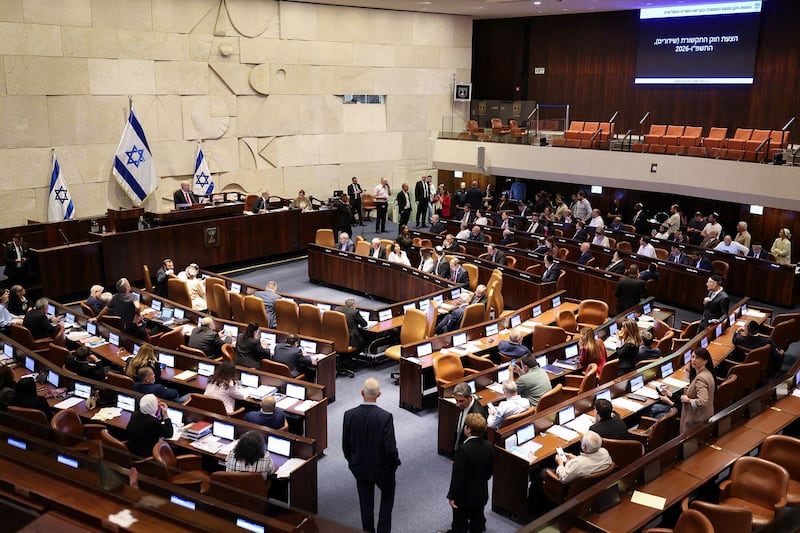
Journalists’ blood ‘not up for grabs’
Israel’s most popular news network, Channel 12, has placed the responsibility for the attacks at the feet of Netanyahu and his government.
“The blood of Channel 12 journalists is not up for grabs,” the network said in a statement Tuesday.
Outside the station’s studio, the Democrats party leader Yair Golan, whose name appeared in the anonymous letter, said the attack “was hurled directly from the Prime Minister’s Office.”
CNN has reached out to the Prime Minister’s Office for comment. There is no evidence to suggest Netanyahu’s office was involved in the incident.
Gadi Eisenkot, seen as a leading challenger to Netanyahu in the upcoming elections, accused the government of running “a systematic and unrestrained campaign of incitement against journalists.” And former Prime Minister Yair Lapid said the attack was an attempt “to undermine the elections… and to prepare the ground for not accepting their loss.”
Israel’s journalists’ union said the attack “did not take place in a vacuum,” warning that when journalists are “marked” as enemies “there will be those who translate this poison into actions.” The group also pointed to the timing – three months before the elections – as significant, and said it is in contact with the police commissioner over additional protection for journalists.
On Thursday, police arrested a suspect in the incident. A police source told CNN the Shin Bet security services were also involved in the investigation.
Netanyahu and most of his allies have yet to publicly condemn the violence. Those who did offer condemnation coupled it with continued criticism of the mainstream networks.
Nir Barkat, a minister from Netanyahu’s Likud party, criticized the vandalism but said Channel 12 had “harmed” Israeli soldiers, urging the public to switch channels and pursue legal action instead. Amichai Eliyahu, a minister from the far-right Otzma Yehudit Party, tweeted that he opposed violence, but added that journalists as well as legal officials implicated in the Sde Teiman affair should themselves face trial.
The tensions build on a long-running rift between Netanyahu and Israel’s mainstream press.
He has not given interviews to any of the three main channels in more than four years, appearing only on Channel 14, a station aligned with his political base, whose anchors frequently portray Channel 12 and mainstream outlets as hostile and unpatriotic.
One commentator recently said outlets like Channel 12 “are not of Israel.” The prime minister’s allies on Channel 14 have also openly pressed David Zini, the head of Israel’s Shin Bet internal security agency, to question Channel 12 journalists over alleged leaks about the timing of the Feb. 28 strike in Iran.
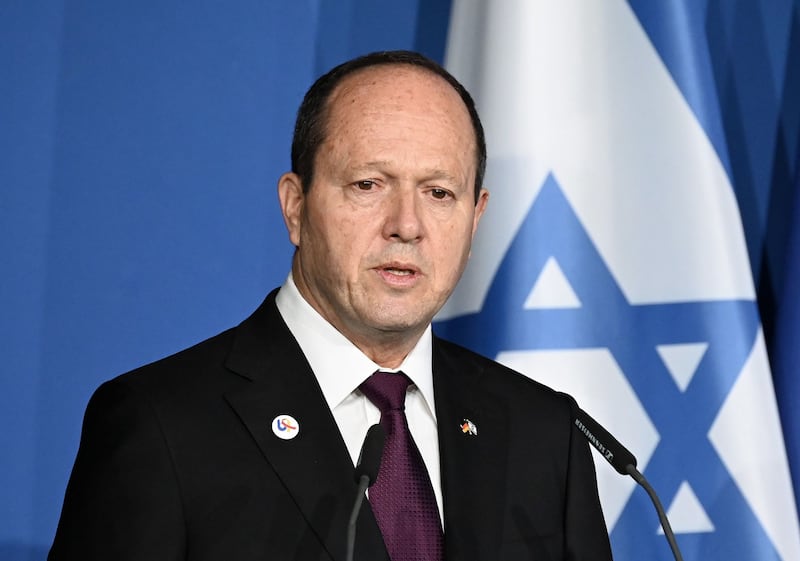
Declining press freedom rankings
The steady decline in Israel’s press freedom is reflected in its international rankings.
In the 2026 World Press Freedom Index by Reporters Without Borders, Israel ranks 116th out of 180 countries, down from 112 the previous year, 101 in 2024, and 86 in 2022. The organization attributes the fall mostly to wartime restrictions, expanded security-based censorship and limitations on coverage of Palestinian issues, including the continued ban on foreign journalists’ independent access to Gaza since the start of the 2023 war.
Beyond rhetoric, Netanyahu’s government has moved to reshape the regulatory landscape. A newly passed broadcasting law replaces Israel’s independent media regulator with political appointees empowered to fine and sanction news outlets. At the same time, the government has eased financial and regulatory constraints on Channel 14.
The government describes the overhaul as market reform meant to remove outdated rules and encourage competition; media organizations and the opposition say it hands politicians leverage over editorial content.
Major broadcasters, opposition lawmakers and grassroot groups have petitioned the High Court of Justice to strike down the law, arguing it inflicts “unprecedented” harm to press freedom. The court has issued an interim order barring the law’s immediate provisions from taking effect until it rules.
But a court decision trying to protect freedom of the press will do little to repair the fractured landscape between the government and the media, or put to rest Israeli journalists’ concerns about the escalating violence.
By Tal Shalev, CNN

