TORONTO — Little pink coffins are sold on the roadside in Bunia, a northeastern city in the Congo, prepared for children who will die of Ebola.
Meghan Thumath, a registered nurse and public health delegate with the Canadian Red Cross, said coffin sellers are as common as fruit stands.
“You can’t help to be affected as a health-care provider,” Thumath said, her eyes welling up with tears.
More than 2,100 people have died out of over 4,500 infected since the outbreak was declared in the spring, according to the latest government figures.
“Each of those numbers is someone’s brother, sister, sibling, family member.”
The World Health Organization said this is the fastest-growing Ebola outbreak in history, on track to surpass the deadliest one, which killed over 11,000 people more than a decade ago.
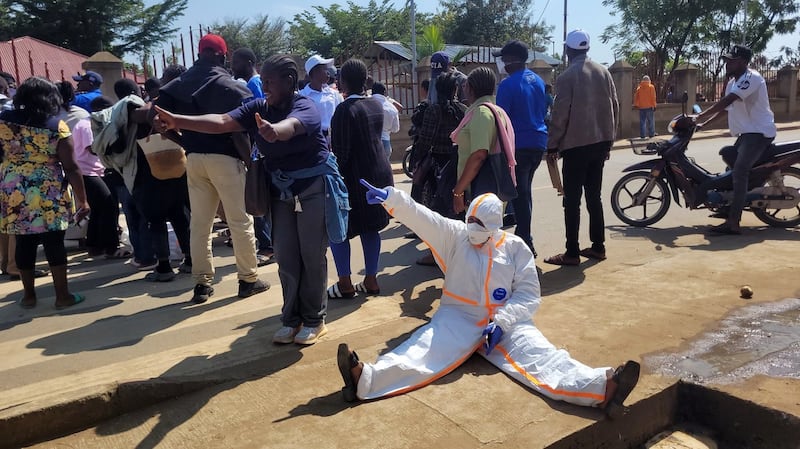
Canadian aid workers on the ground say they are seeing positive improvements at the community level, with growing awareness of the outbreak, and receptiveness to seeking treatment and being involved in safe burials. But cases just keep climbing.
The added hurdle to tackling this outbreak is the rare species of Ebola responsible, the Bundibugyo virus, which currently has no specific vaccine or treatment, though clinical studies are underway. That’s layered on an already challenging landscape of attacks on health workers, threats by rebel groups, communities traumatized by previous outbreaks, and misinformation suggesting Ebola is not real. There are also fundamental access issues to health care, water, nutrition and hygiene.
Montrealer Mylene Ratelle arrived weeks after WHO officially declared an outbreak in May, though the health agency recently said it actually started months earlier in February, but some of the early cases were wrongly diagnosed as other diseases, like malaria and typhoid.
Ratelle, who was hired as a health promotion manager at MSF, also known as Doctors Without Borders, said life looked normal when she landed. People were going to church and buying groceries. While masks and physical distancing indicate a respiratory outbreak like COVID, Ebola is spread through contact with bodily fluids such as vomit, blood or semen, which means fewer visual markers on the streets.
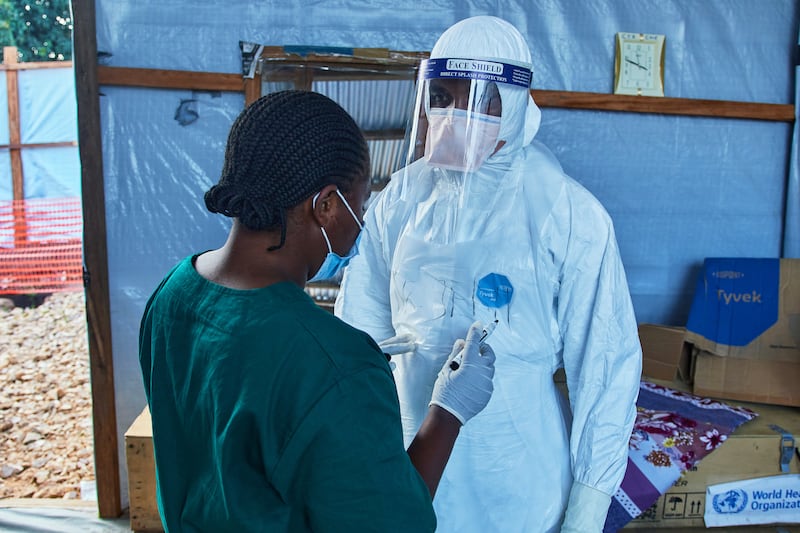
But outside of the hospital, where about 20 tents are set up as treatment centres, the outbreak is audible through cries of grief.
“The family scream their pain and they scream and cry all day long,” Ratelle said. “The sound is awful.”
On several occasions, she recounts people throwing rocks at her team after a loved one had tested positive. They did not believe the diagnosis, she said.
“It was like a manifestation of their worries and pain,” she said.
Ratelle worked with an epidemiology team to contact trace in the countryside of Ituri province, which includes getting in touch, taking temperatures, and following up with approximately two to three hundred people per day who might have been infected.
That is manageable, she said, compared to Ituri’s capital Bunia, where the sprawling number of contacts to track down “is out of control.” Just one person can lead to 20 others.
When a person infected with Ebola dies, their body is still highly infectious, which makes traditional burials that involve washing or handling the body potential points of transmission.
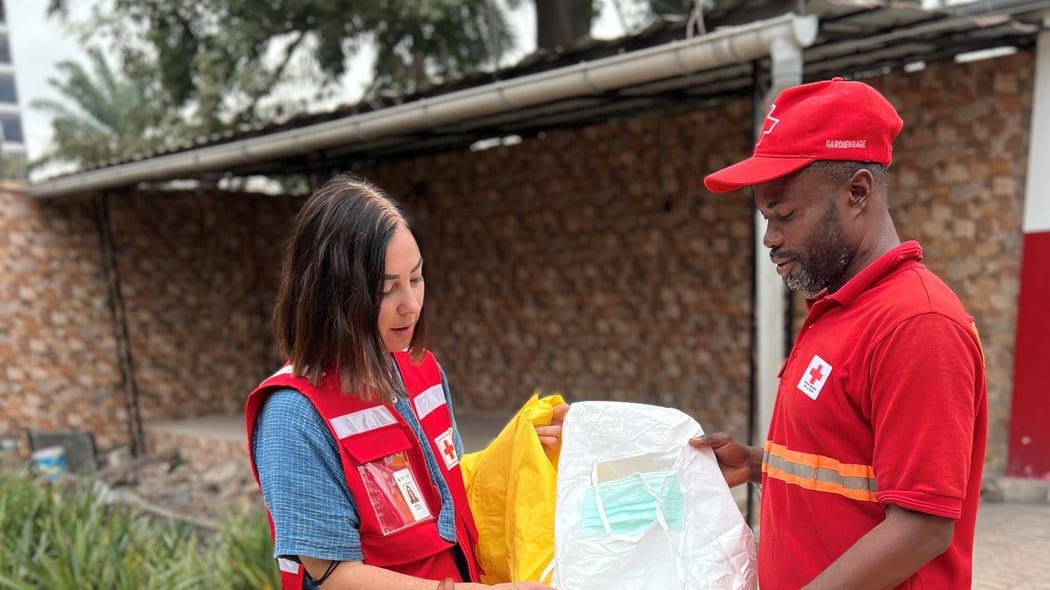
A big part of Thumath’s role with the Canadian Red Cross is to coordinate the logistics and training for safe and dignified burials done by local volunteers. She ensures the supply chain of personal protective equipment from Canada gets to the people who need it. The Canadian government allotted $1.8 million to local Red Cross efforts as part of an $8 million international assistance fund.
Thumath said mistakes were made during previous Ebola outbreak responses she was a part of. Safe and dignified burial teams rushed in without warning or sufficient communication with communities. Strangers in hazmat suits stoked fear and fuelled mistrust.
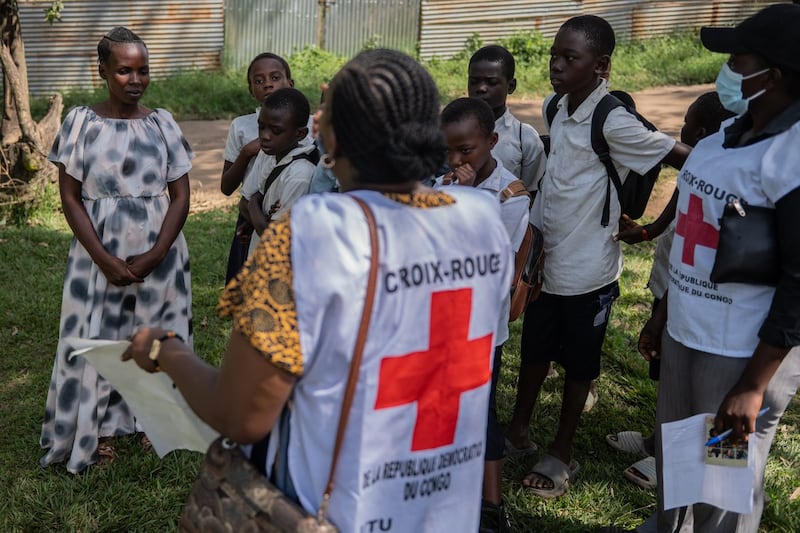
This time around, local volunteers go door-to-door in communities with clusters of cases to answer questions in advance of deaths, and to negotiate the respectful burial of a loved one, to ensure other family members aren’t infected.
Sometimes, that means dressing a family member or religious leader in personal protective equipment – gown, goggles, mask, gloves – so that they can safely touch the body.
The Canadian Red Cross and other humanitarian agencies also started offering body bags that have a clear window to see the deceased person’s face, in response to rumours that people’s loved ones were not actually dead, and that they were taken away.
“Anything we can do to give power back to community and choice back to community, I think is really useful.”
This report by The Canadian Press was first published Aug. 15, 2026.
Canadian Press health coverage receives support through a partnership with the Canadian Medical Association. CP is solely responsible for this content.
Hannah Alberga, The Canadian Press

