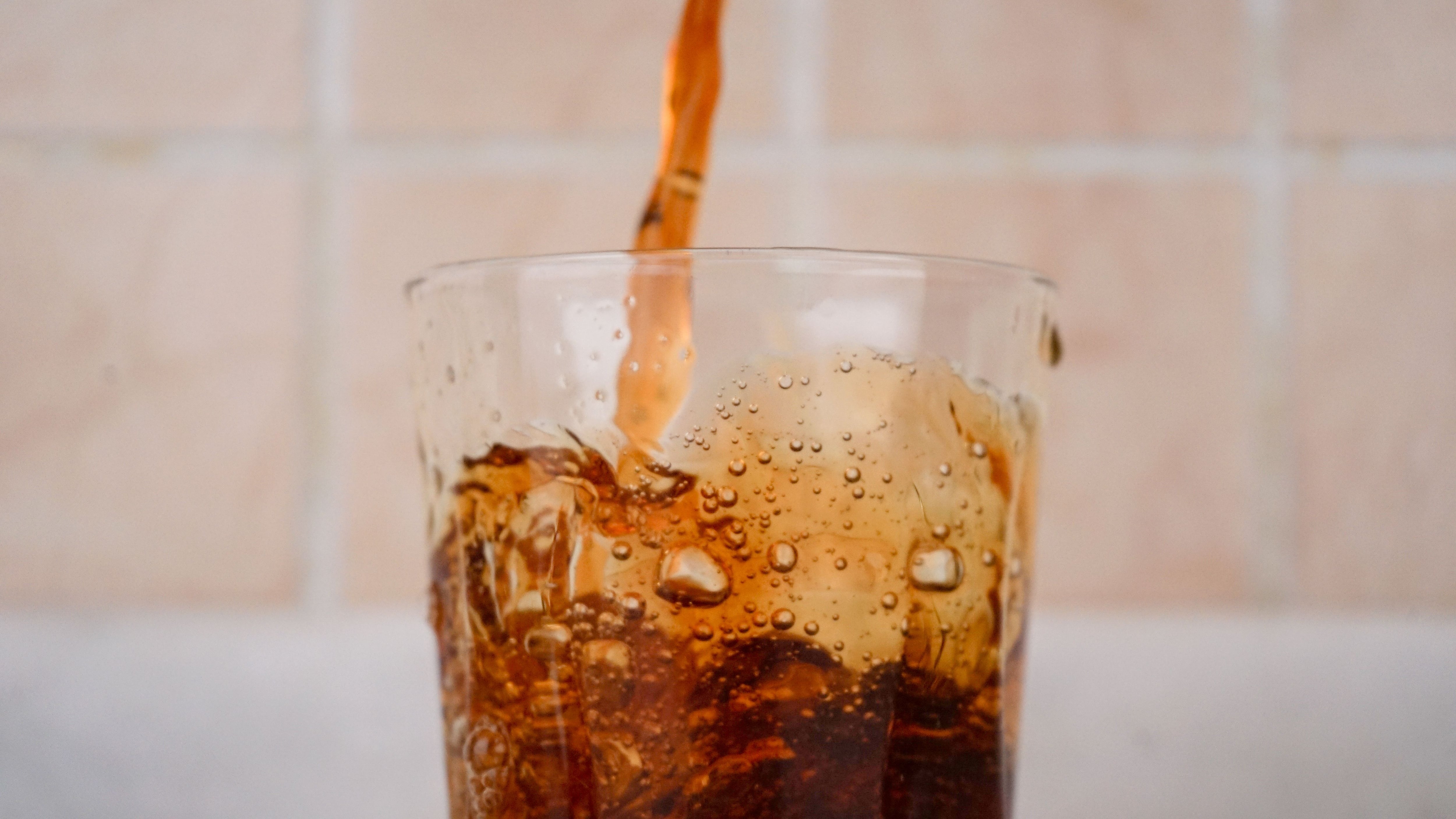
Researchers in the United States are warning of a possible link between sugar-sweetened drinks and gastric cancer.
A new study from Mass General Brigham Cancer Institute in Boston found those who drank one sugary drink per day had a 2.45 times higher risk of the cancer, compared with those who had less than one sugary drink per month.
The authors add that higher total fructose intake was also linked with higher gastric cancer risk. They note that these drinks generally include high-fructose corn syrup (HFCS).
The study was published in the journal Gastro Hep Advances.
“This is the first study to demonstrate an association between sugar-sweetened beverage intake and gastric cancer in a U.S. population,” senior author Dr. Andrew T. Chan said in a news release. He notes that gastric cancer is the fifth leading cause of cancer death worldwide.
Often labelled as glucose-fructose in Canada, HFCS is a sweetener derived from corn starch. According to the U.S. Food and Drug Administration, enzymes are added to corn syrup to convert some of its glucose to fructose. “HFCS is ‘high’ in fructose compared to the pure glucose that is in corn syrup,” the agency says.
The researchers did not find a similar increase in gastric cancer rates in those who drank artificially sweetened drinks, though they noted that the International Agency for Research on Cancer has classified aspartame, a common artificial sweetener, as a possible carcinogen.
The study looked at data from 112,284 participants in two previous studies spanning decades. Of the participants, 278 eventually developed gastric cancer.
Researchers caution there are limitations to this study, noting the higher rates of gastric cancer could be related to other factors.
They also point out that the participants were predominantly white so they could not look at differences across racial and ethnic groups. They say further study is needed to confirm the findings and look at why the drinks may increase cancer risk.

