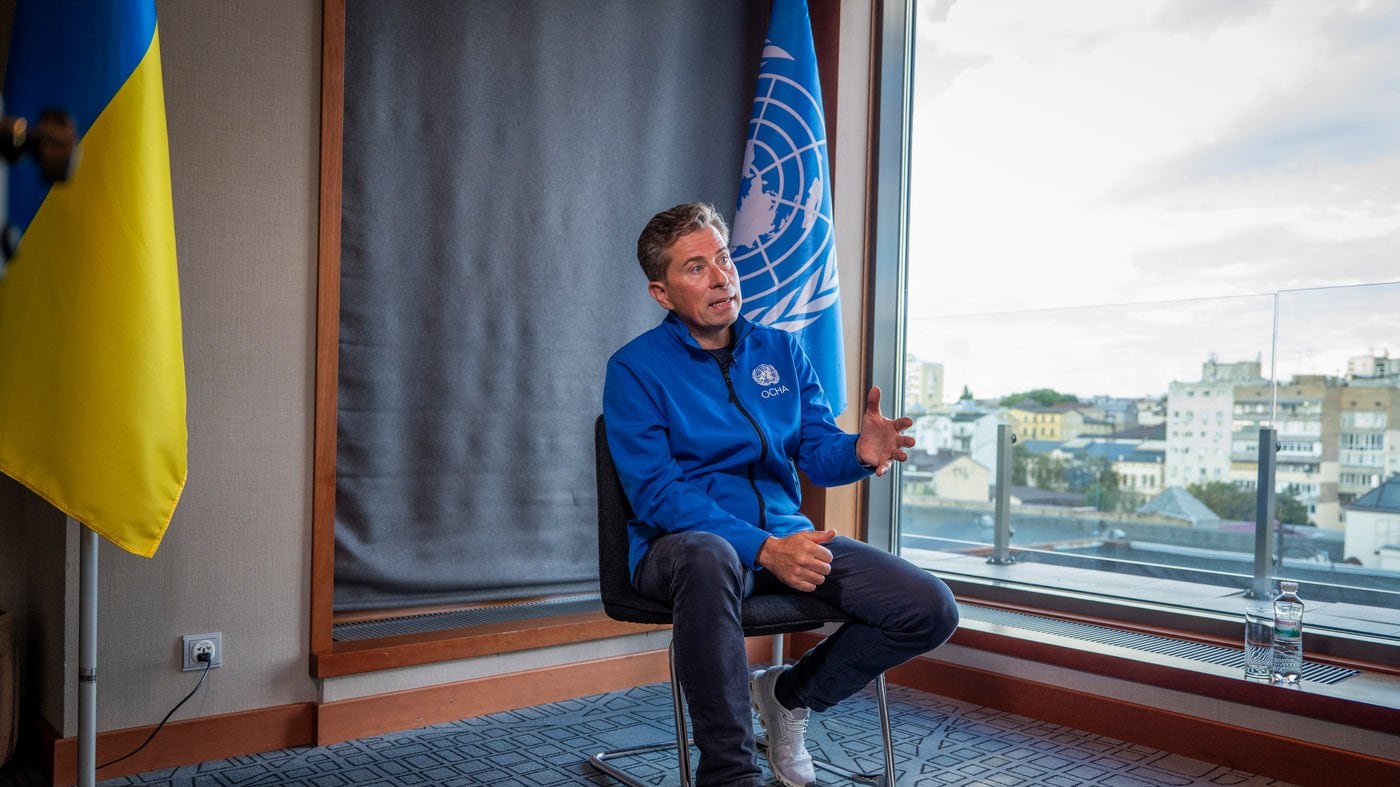
KYIV, Ukraine — The intensifying use of drones against civilians and humanitarian workers is a dangerous obstacle for aid operations in Ukraine, the UN’s humanitarian chief, Tom Fletcher, said on Wednesday.
Fletcher spoke to The Associated Press in an interview after a visit to the southern city of Kherson, where he witnessed how communities there are coping while living under the constant threat of Russian drones. Fletcher described the visit to Kherson, split by the Dnipro River, which acts as an active front line, as “quite chilling.”
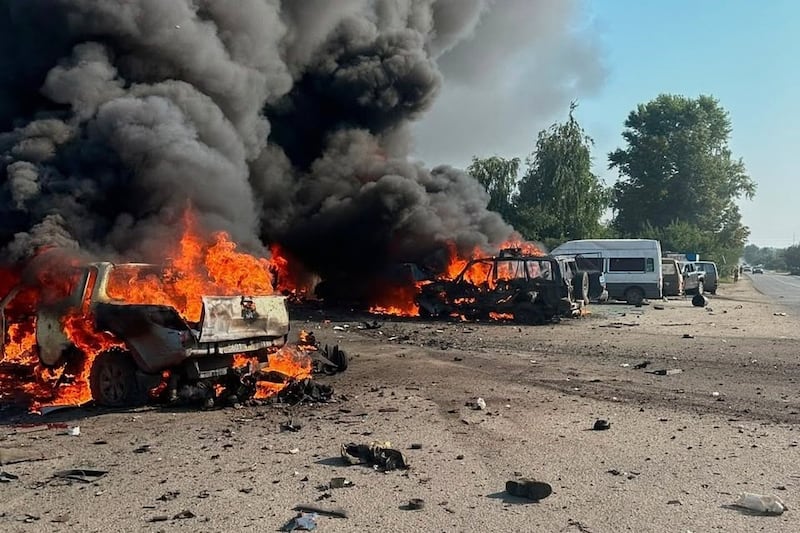
Russian forces occupy the eastern bank, while Ukrainian forces hold the western bank. From across the water, kamikaze and surveillance drones routinely hunt and attack civilians, vehicles and public transit.
“It really gives us an insight into the dangers ahead of us,” he said.
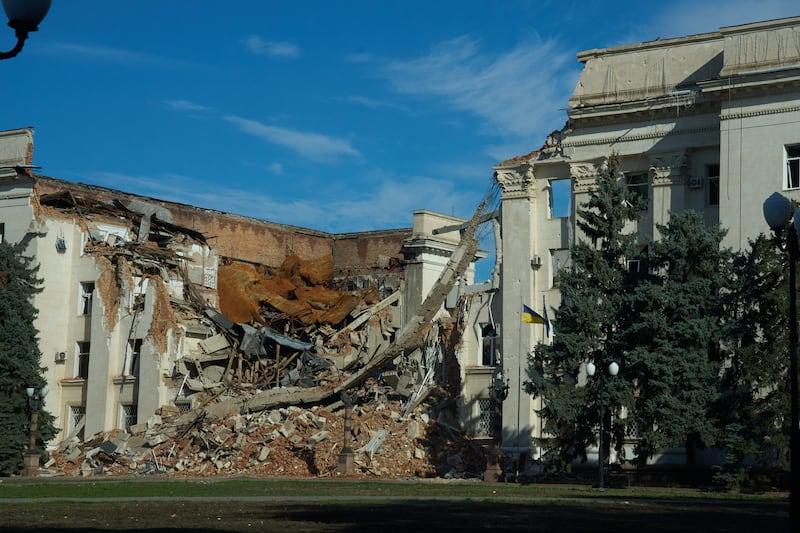
The threat is also making it harder for humanitarian organizations to reach people who need assistance.
Fletcher spoke after attending a commemoration for two humanitarian workers who had died while doing their jobs.
“Drones are a real threat to not just civilians but the humanitarians who are here to protect them,” Fletcher said.
He said that aid workers are protected under international humanitarian law and yet marked humanitarian vehicles have still been hit. “So that does restrict what we can do,” he said.
Local organizations are particularly exposed. More than two-thirds of operations funded through Ukraine’s humanitarian fund are carried out by local organizations, according to Fletcher.
“They’re the ones who are saying most loudly to us, we’re not protected,” he said.
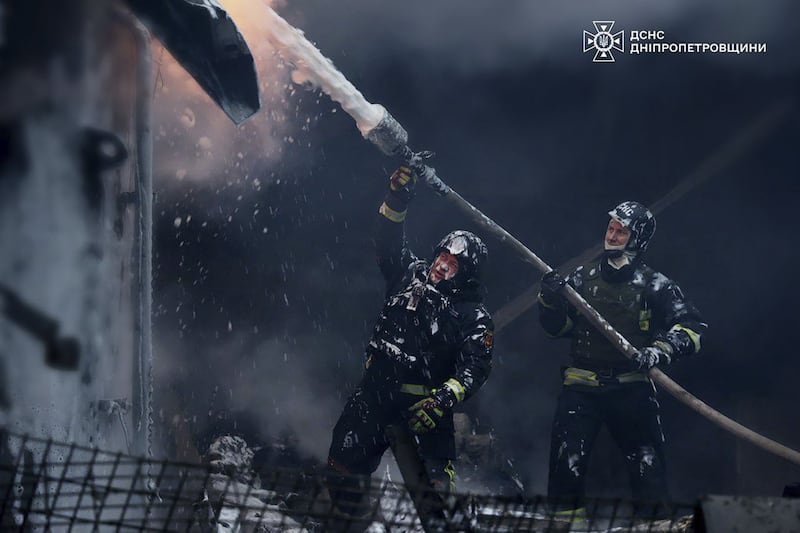
Fletcher said the UN needs more than US$2 billion for its prioritized humanitarian response in Ukraine this year, with winter among his biggest concerns. Damage to civilian infrastructure, including electricity, water and gas systems, could once again leave millions vulnerable during the harsh winter months, raising fears of a repeat of last winter’s severe conditions.
The UN has sharply narrowed its humanitarian priorities all over the world as donor funding has fallen. Fletcher said the organization initially identified 87 million people facing the most severe humanitarian needs, but that figure has since risen to about 92 million with the onslaught of Ebola in Africa, the earthquake in Venezuela and other conflicts.
The UN is seeking $23 billion to provide life-saving assistance to those people and had raised about $11 billion, said Fletcher.
Ukraine is relatively well funded compared with many other crises, he added, with roughly 70–75 per cent of its hyper-prioritized funding requirement covered. But even full funding of the humanitarian plan would address only part of Ukraine’s needs.
Fletcher also admitted that raising money for humanitarian operations has become more difficult as governments have increasingly redirected spending toward defence and domestic priorities.
“We’re in a more transactional world, I would say a more selfish world,” he said.
Fletcher said the UN now has to demonstrate that it is using limited taxpayer money efficiently and strategically.
“We have to show governments that we are spending their taxpayers’ money sensibly, wisely, in a prioritized way,” he said.
In a stark new assessment released on Wednesday, the UN warned that 907 aid workers were victims of violence last year and over 1,000 have been killed in three years. Fletcher said he could not reassure colleagues that those responsible would be held accountable based on how the international community has reacted.
He said accountability should extend beyond identifying the person who physically carried out an attack.
“I want to see investigations into the people who fired the weapon or flew the drone,” he said.
Samya Kullab, The Associated Press

