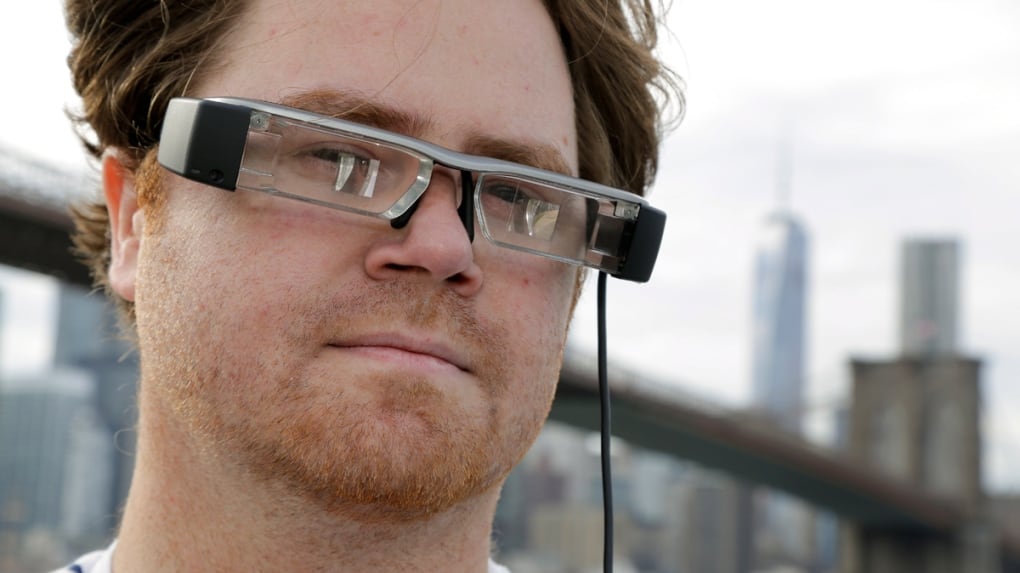
Norway said Tuesday it planned to regulate the use of smart glasses and similar devices and was considering a ban on features that enable facial recognition in public spaces.
Smart glasses allow the wearer to shoot photos and videos, listen to music, take phone calls, translate signs in a foreign language, project text or maps into your field of view, or interact with an integrated AI assistant.
“We can see that people’s private lives and privacy are coming under pressure from new technology, and I therefore want to regulate smart glasses and similar devices more strictly than today,” Digitalization Minister Karianne Tung said in a statement.
“This could, for example, mean banning features such as facial recognition of other people in public spaces,” she said.
She said she planned to appoint an expert group to advise the government on how to better protect consumers from the new technologies, and urged the public and private sectors to consider their own guidelines.
“There is a clear trend that artificial intelligence is being combined with cameras and microphones that are built into things like glasses, earbuds, caps, and other items we use in everyday life. We must avoid this equipment being used to monitor other people in public spaces,” Tung said.
The Norwegian Consumer Council’s head of digital policy, Finn Lutzow-Holm Myrstad, hailed the government’s move, and urged retailers to stop the sale of smart glasses until there was legal clarity on the issue.
Meta has reportedly developed a facial recognition feature ready to be integrated into its smart glasses.
“Meta already has this technology ready to go, and it is only a matter of time before it is rolled out in the glasses,” Myrstad said.
He warned that a ban on facial recognition features on such devices would not prevent wearers from filming people covertly.
“The potential for abuse is enormous.”

