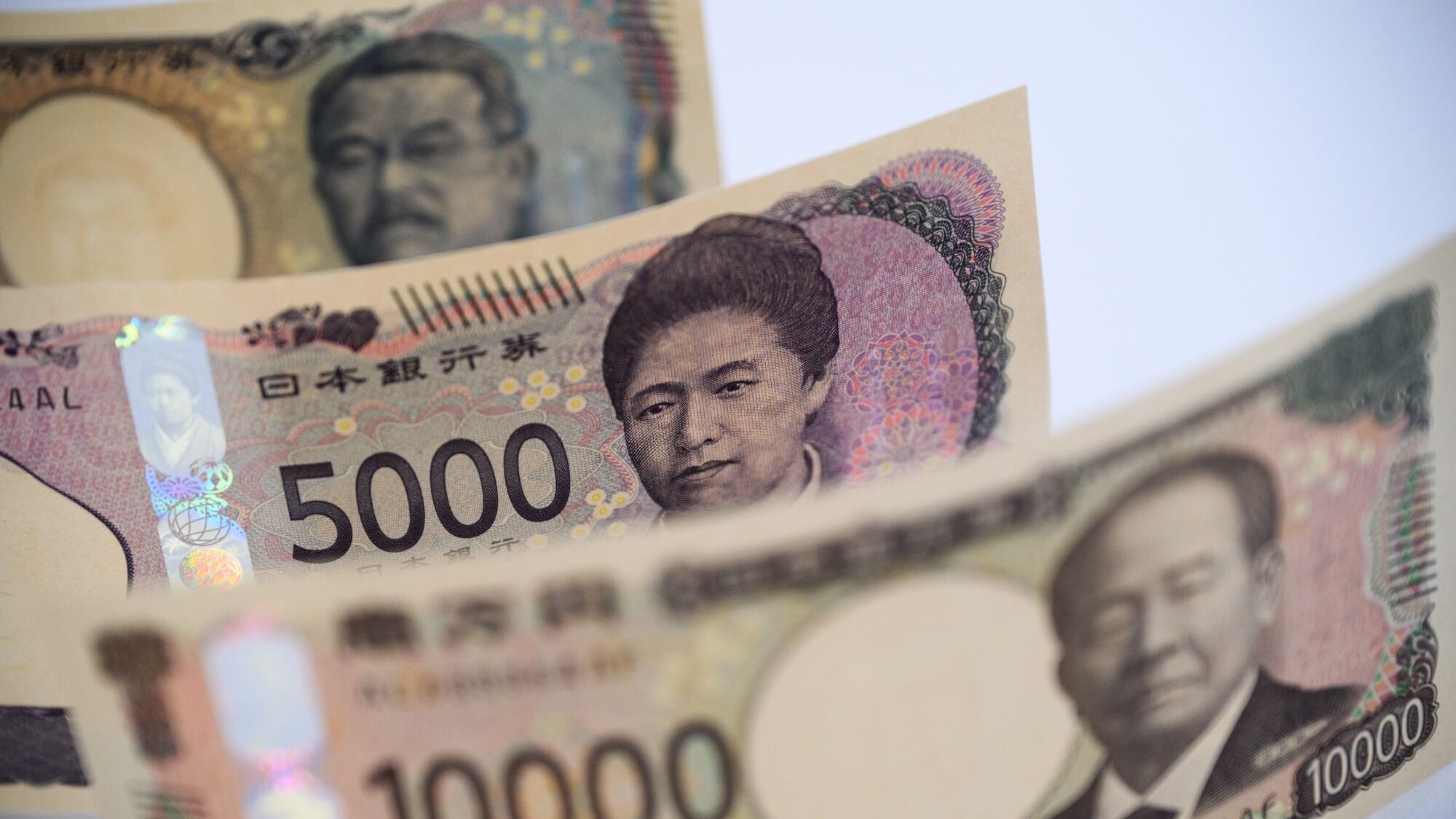
TOKYO - Japanese authorities spent a record 15.4 trillion yen (US$96.5 billion) intervening in foreign exchange markets over the past month to support the local currency, Finance Ministry data showed on Friday.
The size of the intervention shows the level of Tokyo’s resolve to pull the yen away from four-decade lows, with currency weakness threatening profits at Japan’s heavyweight exporters and pushing up import costs, including for energy.
Japan imports almost all its energy, with 95 per cent of that coming from the Middle East, exposing it to supply disruption caused by the Iran war.
But the relatively slow pace of Bank of Japan policy tightening has kept Japan’s interest rates low compared with markets such as the U.S., encouraging investors to continue funding global trades with cheap yen.
The BOJ held rates steady at its last meeting in July, although policymakers have signaled a willingness to step up the pace of tightening, and markets assign 65 per cent odds to a hike at the next meeting in September.
Data casts light on rare joint intervention
Friday’s Finance Ministry data gives a total for the period spanning July 30 to August 26. A detailed daily breakdown will not be available until quarterly figures are released, probably in early November.
The BOJ entered the market to buy yen on July 30 and July 31 — including rare joint action with the U.S. — as the Japanese currency plumbed its weakest levels in 40 years near 164 per dollar. The Bank of Korea also timed its own won-buying intervention with Japan’s to amplify the effectiveness, South Korean officials said at the time.
BOJ data from earlier this month suggest the intervention on July 30 could have been as much as 9.6 trillion yen, which would far surpass the current confirmed daily record of 6.3 trillion yen from April 30 this year.
The yen shot from around 163 per dollar initially to as strong as 155.20 by August 3, before stabilizing around 159.50, where it has been stuck since August 10.
To convince markets about Japan’s continued capacity for large-scale intervention, Washington has said Tokyo could use a COVID-era Federal Reserve backstop for major central banks.
The Fed facility, introduced in 2020 to steady markets during the pandemic, allows Japan to raise dollar liquidity without outright sales of U.S. Treasuries.
U.S. Treasury Secretary Scott Bessent said earlier this month that Washington will do “whatever it takes” to support Tokyo’s effort to stabilize the yen, adding that its substantial undervaluation could trigger other economic problems or competitive devaluations of other currencies.
Reporting by Kevin Buckland, Editing by Helen Popper

