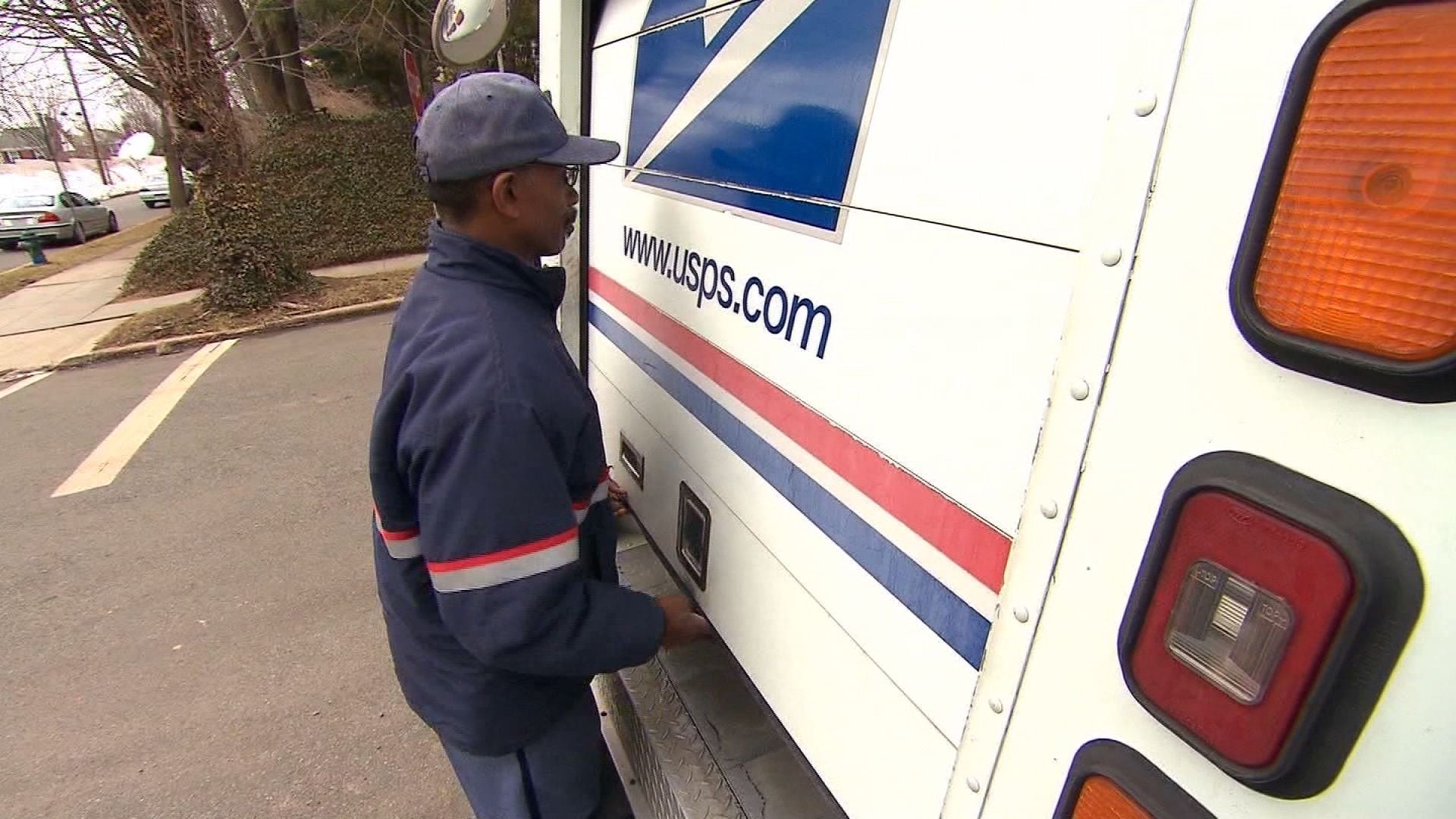
U.S. President Donald Trump’s administration asked the U.S. Supreme Court on Thursday to give the US Postal Service sweeping power to withhold delivery of mail ballots, setting up an extraordinary showdown over voting at the high court less than two months before the November midterm election.
The emergency appeal, which leapfrogged lower courts still considering the case, is the culmination of a monthslong legal fight over an executive order the president signed in March that gave U.S. federal agencies an unprecedented role in elections.
Voter advocacy groups and a coalition of 23 Democratic-led U.S. states challenged that order in federal court, arguing that neither the president nor the post office should have a role in choosing which mail ballots reach voters.
With the midterm elections nearing, and the first ballots entering the mail this week, the 6-3 conservative Supreme Court will be under enormous pressure to decide the case on an unusually speedy timeline.
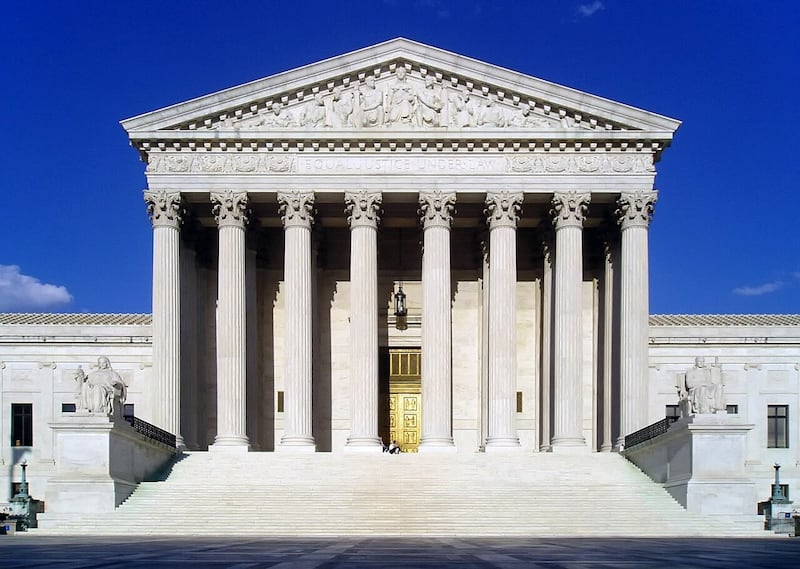
The U.S. Justice Department asked the Supreme Court to step in immediately with a short-term order that would allow the Postal Service to implement its new regulations.
The administration described its rules as “only modest envelope-design and addressee-information requirements.”
“The rule thus plainly does not seize control of states’ administration of elections,” the administration told the high court. “It simply imposes reasonable preparation requirements for certain election-related mail.”
Since the justices last reviewed the issue in August — siding with the Trump administration — USPS has provided more detail about how it intends to implement Trump’s order. Many election officials have warned that it’s already too late to upend their mail ballot systems.
And a whistleblower report asserted that the USPS is rushing to complete a complicated plan that could potentially disenfranchise millions of Americans.
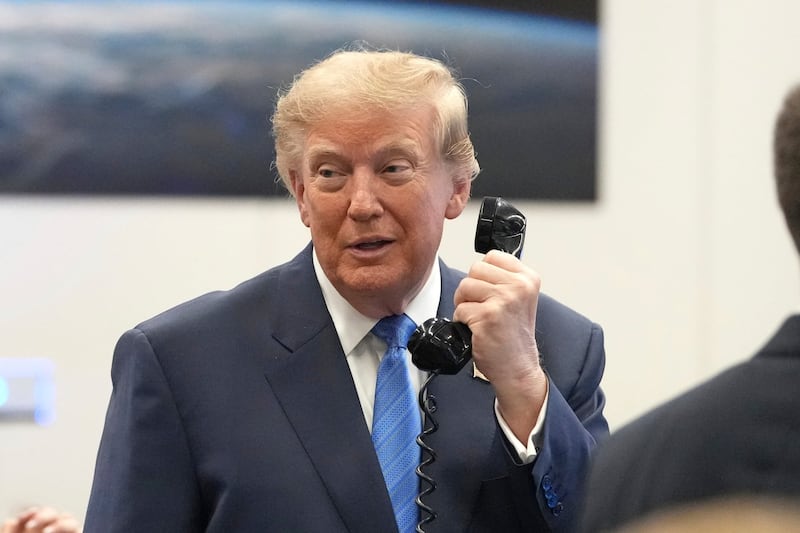
The road ahead as states prepare for midterms
The court requested a response in the case by Tuesday morning, a sign that it is unlikely to decide the administration’s request immediately.
First, the Trump administration will need to clear a procedural hurdle. A lower court had blocked the USPS rule with a temporary order that is not normally appealable.
However, the high court has sometimes allowed such appeals in the past, and U.S. Solicitor General D. John Sauer, the top appellate attorney for the administration, said it should do so in this case.
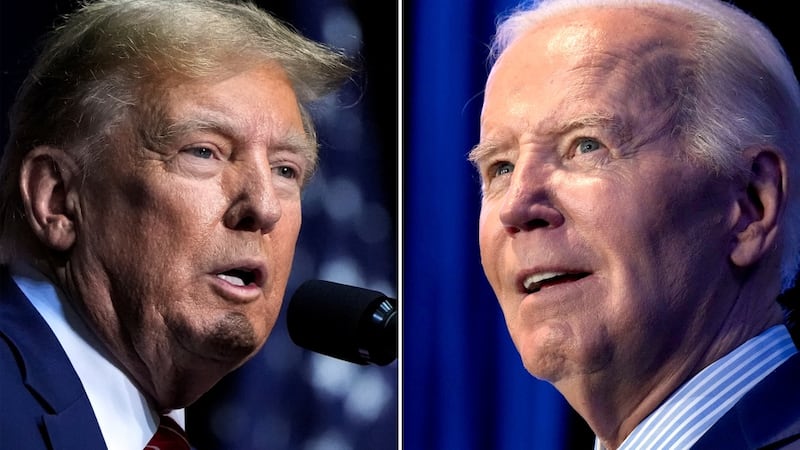
Trump, and several Republican states that support him, have framed the executive order as a minimal series of changes in postal rules to ensure a more secure election. But critics describe the order as a power grab over state-run mail ballots, which the president has repeatedly and falsely blamed for his loss to former U.S. president Joe Biden in the 2020 election.
Under the regulations, states must submit lists of their eligible mail voters to USPS via an online portal in order to send ballots through the mail. If a name doesn’t appear on that list, the Postal Service would decline to deliver a mail ballot to them. The USPS rule would also require that election mail envelopes carry unique bar codes for each voter.
States fear that adopting an entirely new mail ballot system weeks before the election could lead to systemic breakdowns in ballots reaching voters.
North Carolina is set to begin sending out its mail ballots on Friday.
The emergency appeal requires the Supreme Court to resolve one of the most significant election-related questions it has been asked to take up in years. Last month, a divided court allowed the administration to continue working to implement its executive order, though it did so on technical grounds that offered little insight into how the conservative majority views the legality of Trump’s underlying order. The court’s three liberal justices dissented from that decision.
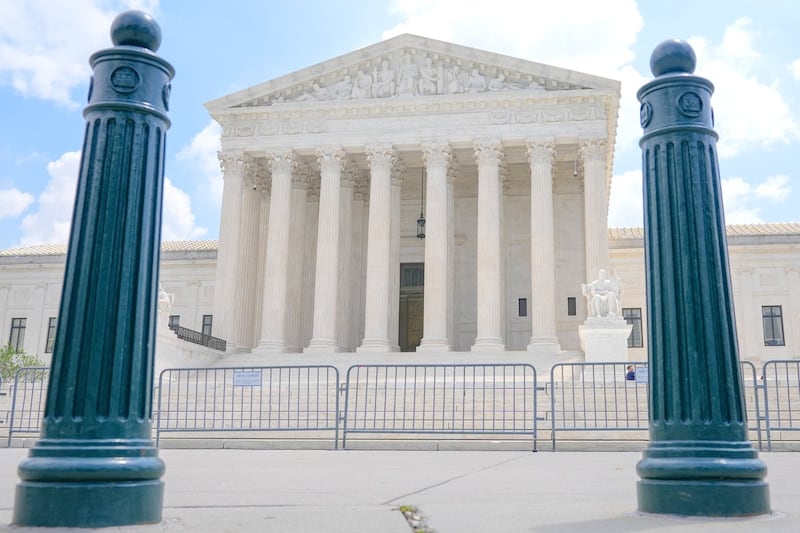
Days later, a U.S. federal court in Boston temporarily blocked the administration from carrying out the plan.
Democratic state officials and voting rights groups challenging the order note that the U.S. Constitution gives the power to run elections to the states, not the president, and they argue that Congress has given USPS no authority to police state mail ballot programs.
But the Justice Department has countered that USPS has broad authority to change protocols for the mail. It has called attention to two examples where it has done so in the past: the delivery of cremated remains and replica explosives, such as dummy grenades.
The recent whistleblower report alleged that the agency was preparing to reject entire batches of ballots — which in some jurisdictions would delay the sending of tens of thousands ballots — if USPS found that just a single envelope in the batch did not align with the information within the portal.
John Fritze, Tierney Sneed, CNN

