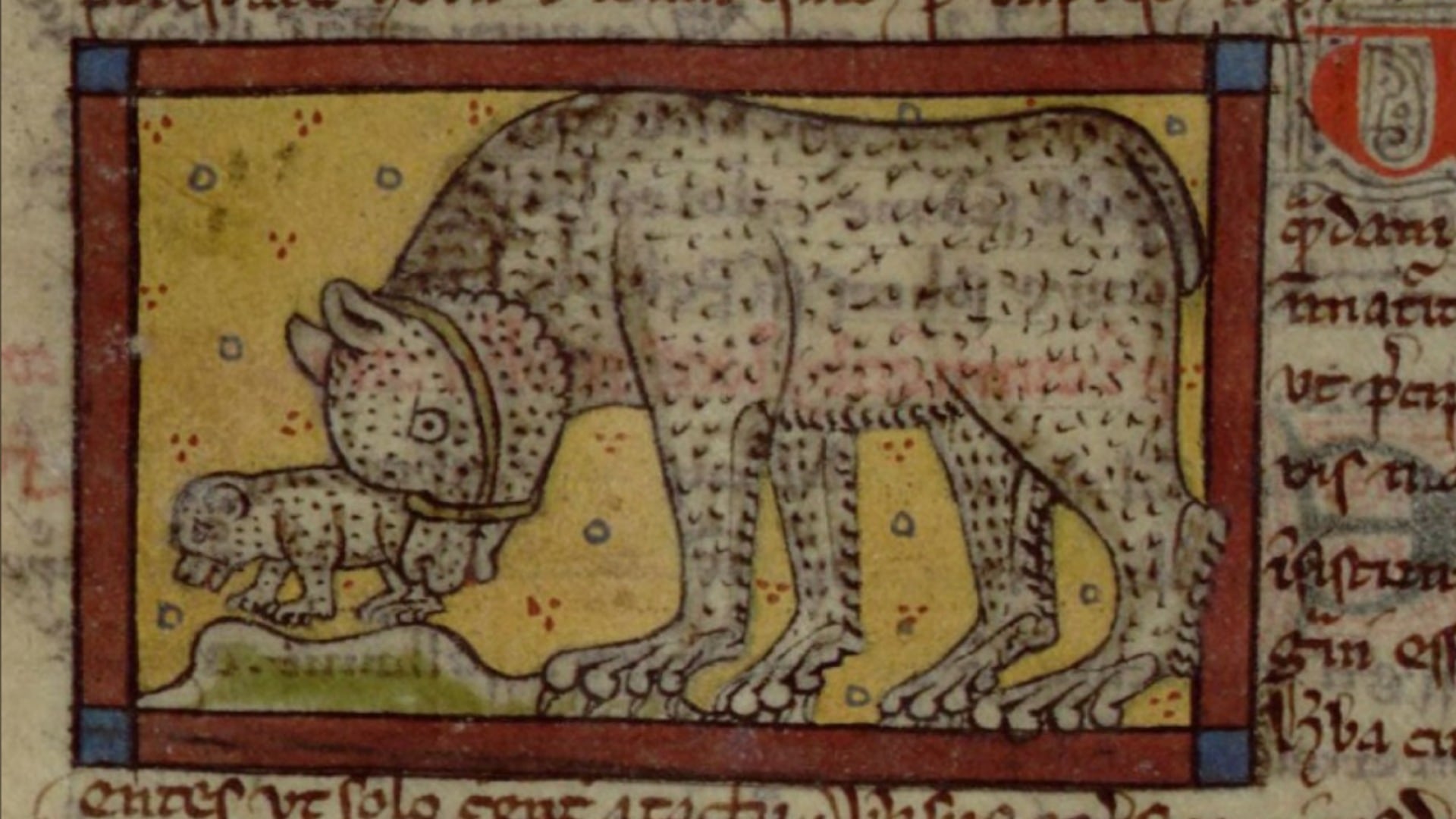
WARNING: Graphic content
A new study suggests a blood sport involving animals was popularized in medieval England.
Following William the Conqueror and the Norman invasion of the country in the 11th century, “bear-baiting” became a more common activity, according to a University of Cardiff study published earlier this summer.
Bear-baiting, when dogs would attack a tethered bear, was popular entertainment for peasants and monarchs alike in medieval England, the study says. According to Encyclopedia Britannica, the bear’s nose was often filled with pepper to anger the animal while dogs would attempt to bite the nose.
“Our research demonstrates that the activity of baiting, while associated with marriages, aristocratic pastimes, and raucous festivities in medieval stories and sermons, was clearly popular entertainment among the general public, as well,” Liam Lewis, a study author and academic based out of Cardiff University’s School of Global Humanities, said in a press release.
“This is despite bears needing to be imported to England from overseas, and therefore, presumably carrying costs for importation, travel and sustenance.”
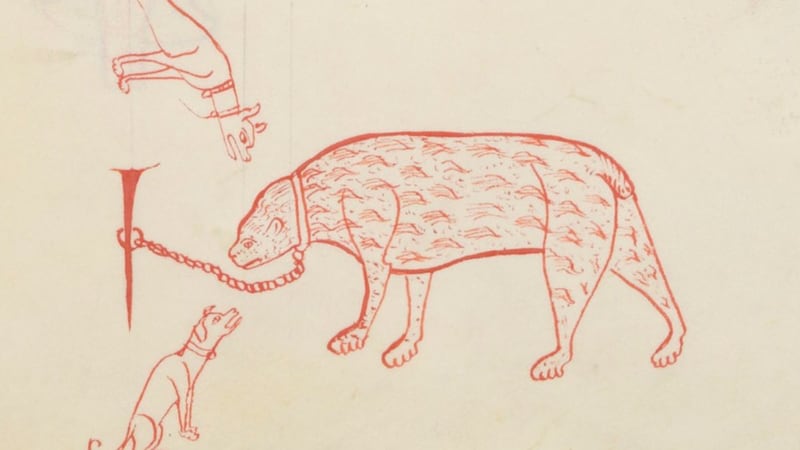
However, the study notes that: “Not until the later Middle Ages did visual depictions of bears fighting dogs become more widespread.”
“In the Middle Ages the activity already carried implications of excess and violence with negative moral associations.”
Eurasian Brown Bears can weigh up to 700 kilograms, or approximately 1,540 pounds, and are an apex predator. The study says Britain’s native brown bear population was extinct by the time the Romans occupied England, about 43 AD.
“The bears would have travelled considerable distances from overseas and within England to reach places as far afield as Southampton and Carlisle (northern England). As baiting became popular with the aristocracy, it also developed into a lower-status activity in parallel,” the study found.
The bears would wear muzzles and travel under a bear-ward, the authors said, citing a different 2025 study.

Bear-baiting in the 21st century
Although largely ended in England by the 1900s, bear-baiting was still ongoing in Pakistan, as of at least 2020. World Animal Protection (WAP) reported on three bears in Pakistan being brought to a sanctuary after severe abuse.
“(The bears’) behaviours and personalities were severely affected by years of physical and emotional trauma caused by cruel bear-baiting,” an August 2021 WAP report said.
WAP reported in September 2016 captured bears were having their canine teeth broken, muzzles pierced with rings and claws removed. They say that the captured bears rarely live past the age of eight, the oldest female Eurasian Brown Bear lived to 37 years in the wild, according to the International Association for Bear Research and Management.
“When old enough for their first event, they will be tied up and have dogs let loose – attacking and biting them in front of crowds of onlookers,” WAP said in their 2021 press release.
“Bear-baiting events are put on by wealthy landowners and attended by a very small minority of the Pakistani public.”

