
The way people communicate is constantly changing, and dictionaries are changing with it. Merriam-Webster has added 1,400 new words and definitions to its dictionary, capturing everything from internet slang and artificial intelligence to food trends and modern dating.
The latest additions include terms that may already be familiar to frequent social media users, while others describe emerging ideas and behaviours that have become increasingly common.
Among the more internet-focused entries is “looksmaxxing,” a term associated with efforts to improve one’s physical appearance. “Parasocial” has also been added, referring to a one-sided relationship in which one person develops an emotional connection with someone who does not know them personally.
Technology has contributed several other additions. “Vibe coding” describes using an AI system to generate computer code, while “AGI,” short for artificial general intelligence, has also received an entry. The “uncanny valley” describes the unsettling reaction people can have when something artificial looks almost, but not quite, human.
Food has also made its way into the updated vocabulary. “Superfood,” “bao,” “shishito,” “cake pop” and “chili crisp” are among the culinary-related additions.
Several entries describe contemporary social life. “Cuffing season” refers to the colder months when people may look for a short-term romantic relationship, while the “Sunday scaries” describes anxiety or sadness associated with the end of the weekend.
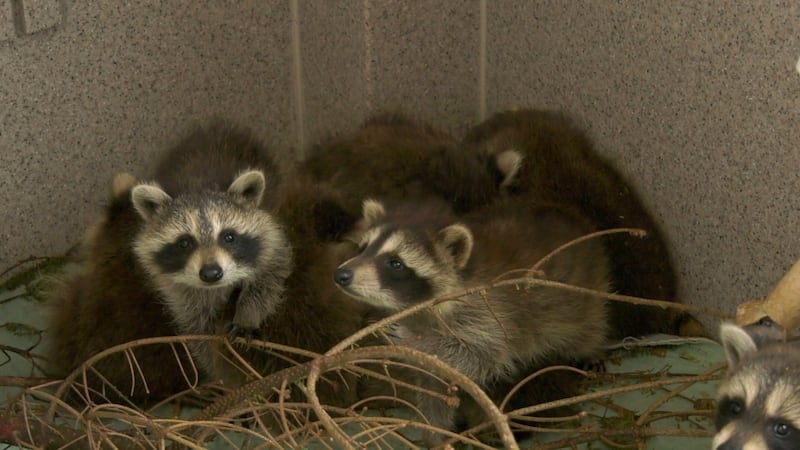
Other additions include “Rickroll,” “meme coin,” “whack-a-mole,” “yacht rock,” “shapewear,” “neckbeard,” “crashout,” “copium” and “trash panda,” an informal term for a raccoon.
The additions follow Merriam-Webster’s 2025 selection of “slop” as its word of the year. The word, which dates back centuries, now also describes low-quality digital content typically produced in quantity using artificial intelligence.
Merriam-Webster says its new entries reflect words and meanings that have demonstrated widespread use over time.
With files from Anna Furman, The Associated Press

