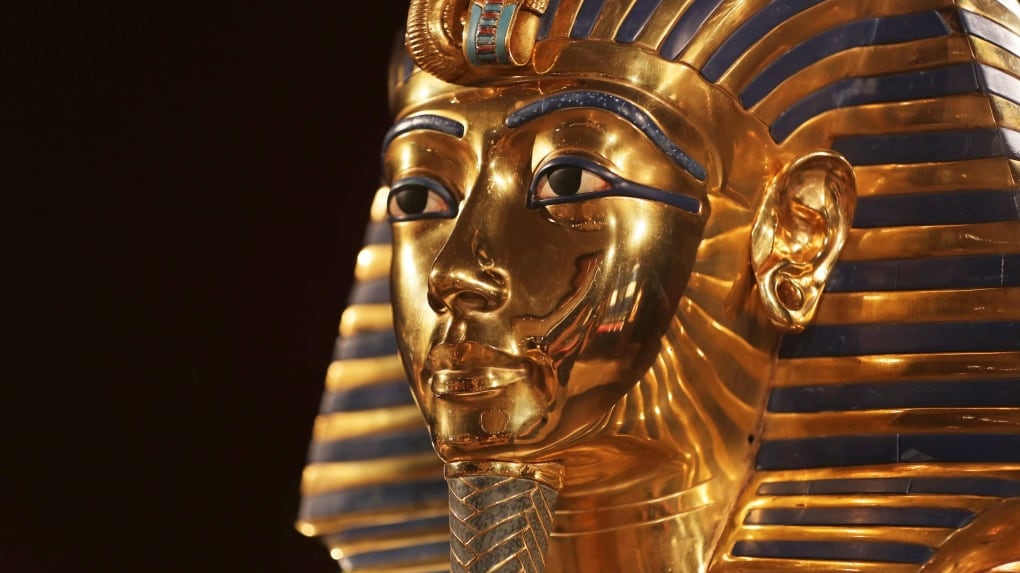
Two Scottish museums removed Egyptian mummies from public over concerns about the corpse’s ability to consent.
The Kelvingrove Art Gallery and The Hunterian Museum are restricting public viewings of the preserved corpses due to a lack of consent from the dead or their descendants, citing new international guidelines.
Kelvingrove management said they had hidden priest Nekht’s body from the public due to an “absence of consent from the deceased individual or their ancestors.”
“We believe removing ancient Egyptian human remains from display is more respectful to the deceased individuals,” a spokesperson told BBC on behalf of Kelvingrove Art Gallery.
The Hunterian Museum, managed by the University of Glasgow, removed Lady Shep-En-Hor for similar reasons.
The ornate sarcophagus for Lady Shep-En-Hor had been displayed since 1820, but her corpse was removed from the public eye as she “deserved privacy in death,” a museum spokesperson told BBC.
The International Council Of Museums (ICOM) updated its code of ethics in June, it advises museums to “uphold the inherent dignity of human remains and promote respect for their significance.”
“Decisions about these items and collections should be made in collaboration with descendants or communities from which they originate,” the guidelines read.
“In all cases where human remains hold continuing cultural or spiritual importance, museums should consider restricted use or repatriation as appropriate.”
An ICOM press release announcing the adoption of the revised code of ethics highlights “the legacies of colonialism” as an ongoing challenge facing museums.
Ancient Egyptians mummified corpses as a religious custom, embalming the body and often burying their dead in monumental tombs. Many of Egypt’s iconic pyramids were tombs.
“The Egyptians believed that the mummified body was the home for (a person’s) soul or spirit,” according to the Smithsonian.
“If the body was destroyed, the spirit might be lost.”
ICOM’s code of ethics are only guidelines, meaning that the decision to remove human remains from public display ultimately rests with each individual institution, according to an academic on ICOM’s ethics committee.
“What the code of ethics puts forward is that these topics need careful consideration and decision making, they do not suggest one fixed outcome,” Steph Scholten told the BBC.
“The code of ethics does not prescribe that all human remains should be taken off display.”

