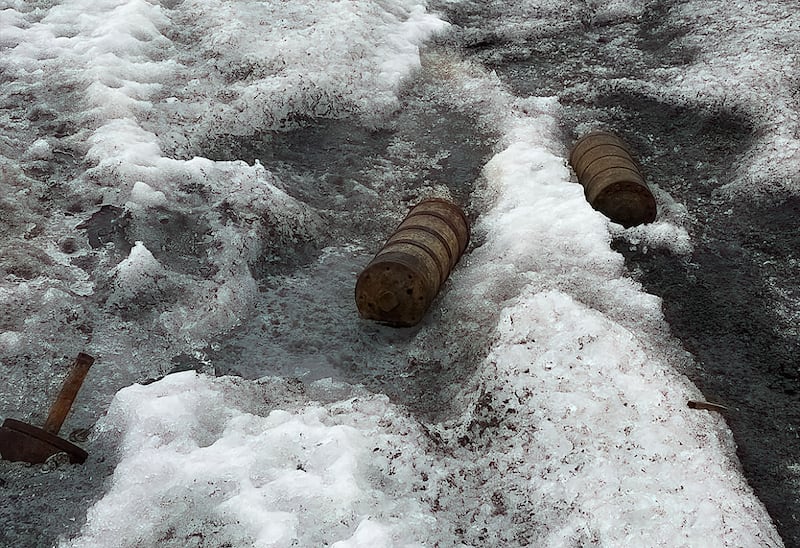
Some 250 First World War-era munitions that emerged from rapidly retreating glaciers in the Italian Dolomites have been removed.
Artillery shells, mortar bombs and other ammunition had initially been found in the Trentino-Alto Adige region by hikers, naturalists and, in one case, after a road accident, according to a statement sent to CNN Tuesday by the Italian army’s Julia Alpine brigade.
The first unexploded ordinance found this summer was a 90-millimetre mortar shell discovered in June after a car rolled down a ravine near Caldonazzo after the driver forgot to engage the hand brake when parking the vehicle, the army said.
When firefighters removed the vehicle, they noticed the shell dating back to First World War at the foot of a tree. It was later removed by a specialized bomb squad.
The other devices, which were from the White War fought between Italian and Austro-Hungarian armies between 1915 and 1918, were concentrated in an area popular with hikers during the summer and had been covered in snow and ice for more than 100 years.
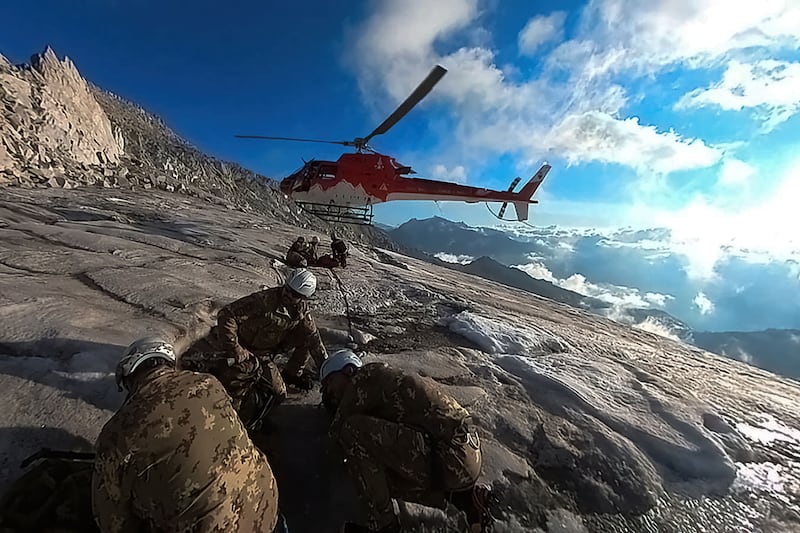
Specialists from the 2nd Engineer Regiment of the Julia Alpine brigade, who specialize in high-risk high-altitude rescue and military operations, began the clean-up in early August, a spokesperson from the unit told CNN Tuesday. The summer reclamation campaign ended on Oct. 16.
The ordinances were found on trails frequently traversed by climbers, hikers and mountain workers, as well as areas inaccessible to the public.
The army said the campaign to clear the munitions required “solid mountaineering skills” to navigate “inaccessible areas, at high altitudes, and on particularly challenging terrain.”
In the area between the Cima del Frate mountain peak and Forcella Fierollo mountain pass near the hamlet Bieno, a cache of 75-millimetre artillery shells caused the closure of a popular mountaineering route during the removal earlier this month. The route was later reopened.
Munitions from both the First and Second World War are revealed each year, but specialized work can only take place in the late summer and early fall when weather conditions allow for safer operations before snow begins in late October, the army said.
The extreme heat over the last few years has led to the fast retreat of the Caré Alto and the Lares glaciers, which make the area less stable for workers.
A safety campaign is underway to warn hikers and local mountain dwellers not to touch or move suspicious munitions if found. Instead, they should be reported to local authorities, ideally with accompanying photos.
Low winter snowfall in 2025 and extreme temperatures in the summer of 2026 have accelerated the melting of the glaciers in the Trentino region, according to local authorities.