KHERSON, Ukraine -- Evacuees from Russian-occupied Oleshky began the long journey out of the war-ravaged region in bus convoys Friday, on the fourth day of the most significant truce since Russia’s full-scale invasion of Ukraine 4.5 years ago.
The estimated 2,000 remaining residents in the city of Oleshky were offered the choice of travelling to Ukrainian- or Russian-held territory, or remaining in the city with replenished food and medical supplies.
Officials in Kyiv said the evacuated residents bound for Ukraine were travelling to the city of Anapa in southern Russia from where they would fly to Belarus before crossing the border into northern Ukraine.
The shortest route from Oleshky to Anapa is about 450 kilometres (280 miles) through Russian-held Crimea.
Russia’s ombudswoman and lead representative on the mission, Yana Lantratova said buses also transported Oleshky residents who want to live in Russia.
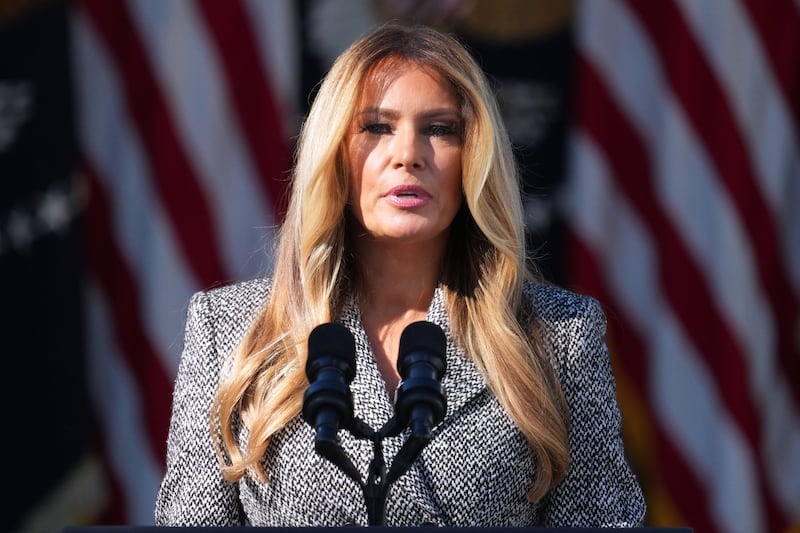
Russia and Ukraine have not specified how many people chose to leave the city, but U.S. first lady Melania Trump, whom the White House said helped broker the localized truce, posted on social media Friday that the convoy could safely evacuate more than 750 people.
After the convoys left Oleshky, Dmytro Lubinets, Ukraine’s ombudsman and chief negotiator, described the aid mission as “unique” and said he hoped the same model could be used to help other communities stranded by the war in Ukraine.
The truce provides a means to leave for those who want it
After a concerted effort to remove all Russian mines from roads in and out of Oleshky, an aid convoy of 25 buses, some ambulances, trucks and other vehicles arrived in the stranded city earlier Friday to deliver food and medicine.
Officials from both countries worked together in the rare joint humanitarian effort, offering a brief respite in the grim war of attrition. The localized ceasefire in Ukraine’s southern Kherson region is expected to continue through Sunday evening.
The United States played a central role in the mission. Aside from the first lady’s apparent role, Pope Leo XIV -- the first American pontiff -- also pressed Russian and Ukrainian leaders to allow aid deliveries and civilian evacuations.
“Everyone who wishes to leave Oleshky will have the opportunity to do so safely,” Russia and Ukraine said in separate but identical statements earlier Friday. “Those who choose to stay may remain and will receive all the humanitarian support they need.”
Zelenskyy berates Russia for continued attacks
Fighting continued elsewhere, however. Russia’s Defence Ministry said air defences downed more than 1,000 Ukrainian drones overnight, while Ukraine’s air force said Russia launched ballistic and other missiles, along with scores of drones.
A Russian drone attack on a town in northeast Ukraine has left one woman dead and eight people injured, Ukraine’s emergency services said Friday. The strike occurred in the Sumy region in the town of Shostka, near Ukraine’s border with Russia. The agency said rescue efforts were hampered by repeated air raid alerts.
In his nightly address, Ukrainian President Volodymyr Zelenskyy accused Russia of stepping up attacks designed to make ordinary Ukrainians suffer during another winter. He did not mention the aid mission.
“The Russians have not taken a single step toward de-escalation in the energy sector and continue terrorist strikes on our cities,” he said. “We will respond accordingly and justly.”
Zelenskyy’s office also announced sanctions on individuals and entities involved in developing Russia’s Rassvet satellite communications system, which Kyiv says Moscow is scaling up for military purposes.
------
By Hanna Arhirova
Associated Press writers Susie Blann and Derek Gatopoulos in Kyiv, Ukraine, and Yuras Karmanau in Tallinn, Estonia, contributed.

